Indonesia Focuses Free Nutritious Meals on Remote Areas
Indonesia's National Nutrition Agency prioritizes expanding the Free Nutritious Meal program to remote regions and high stunting zones.
 Portal Islam



This article was first published in Indonesian. Baca versi Bahasa Indonesia →
The National Nutrition Agency (BGN) has emphasized that the expansion of the Free Nutritious Meal (MBG) program will prioritize areas most in need, particularly remote regions, outermost islands, and zones with high stunting rates. This policy was adopted to ensure that nutrition fulfillment programs are distributed evenly among the broader population.
Based on reports cited from Republika and ANTARA on Friday, BGN Head Sudaryono stated that there are still several regions yet to be reached by the MBG program that require immediate government intervention. The government wants to ensure that the implementation of this program not only runs smoothly in easily accessible areas, but genuinely targets communities in need.
Prioritizing Remote Areas and High Stunting Zones
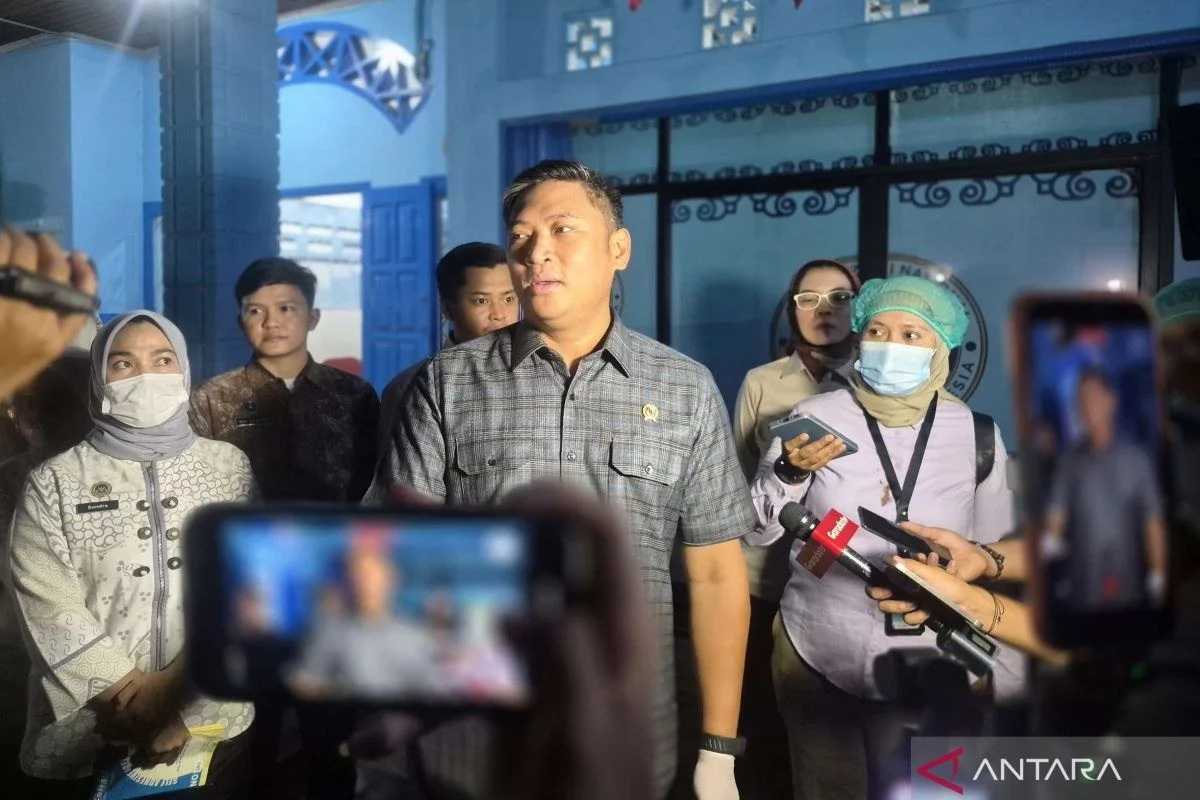
In his remarks in Jambi, BGN Head Sudaryono explained that his office has compiled a list of unreached regions and will follow up on them promptly. The primary focus areas include distant, outermost, and remote regions, as well as areas with high and very high stunting rates.
The government is committed to ensuring this program delivers optimal impact, not only regarding community nutrition fulfillment but also by generating positive economic effects. Tackling stunting in remote areas serves as a key benchmark for the success of this policy.
Strengthening Governance Through MBG 2.0
Alongside expanding coverage, the BGN continues to strengthen governance and oversight of the program's implementation to ensure that the use of state funds is fully accountable. This structural improvement, known as MBG 2.0, introduces complete transparency to the public as the owners of the State Budget (APBN).
A number of supervisory policies that are now being tightened include:
- The mandatory requirement for regular daily fund usage reporting.
- Enhanced supervision over the operations of food-supplying kitchens.
- The development of a centralized closed-circuit television (CCTV) system to facilitate monitoring.
Through these measures, the public and supervisory parties can observe, monitor, and control the program's progress transparently to ensure it is implemented properly and accountably.
Islamic Perspective on Health and Nutrition
In Islamic teachings, preserving health and paying attention to wholesome and lawful sustenance (tayyib) is part of tending to the blessings bestowed by Allah. Fulfilling good nutrition, especially for children and communities in needy areas, aligns with the principles of social care and shared responsibility within society.
Regarding the recommendation to maintain health and consume good food, Muslims are continually reminded to look after what enters the body to sustain a healthy and productive life. Further information regarding various wholesome provisions can be reviewed through the guide on foods and drinks recommended in Islam for a healthy life.
The public is consistently encouraged to maintain a healthy lifestyle and consult medical professionals or nearby health facilities whenever they require deeper information and handling regarding nutritional health.