Prophetic Duas: How the Prophets Prayed in the Qur'an & Sunnah
Discover the art of du'a through the inspiring stories of Prophets Zakaria and Musa, and learn essential manners to ensure your prayers are answered.
 Portal Islam



This article was first published in Indonesian. Baca versi Bahasa Indonesia →
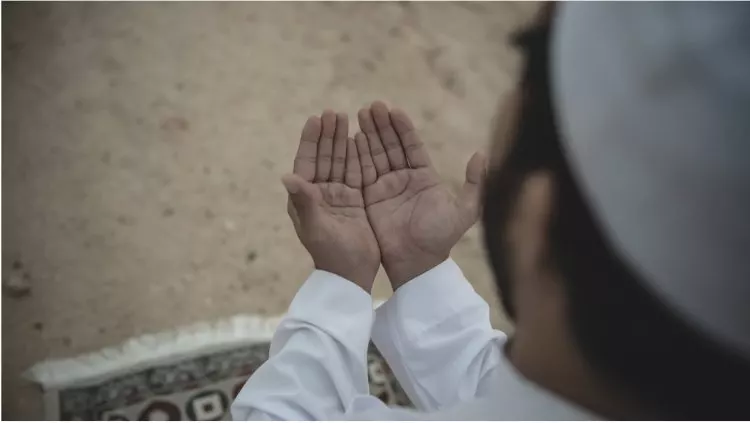
Allah is able to do all things. There is no such word as "impossible" in the dictionary of His sovereignty. Human logic, the laws of nature, and all worldly limitations submit entirely to the command "Kun Fayakun" (Be, and it is). However, that absolute power is Allah's prerogative alone. Our role as servants is to acknowledge our weakness, surrender completely, and beseech Him with all our hearts through du'a.
The Prophet Muhammad ﷺ said:
الدُّعَاءُ هُوَ العِبَادَةُ
"Du'a is worship." (HR. Tirmidhi).This means that ignoring du'a is equivalent to neglecting one of the very essences of our servitude to Allah.
The Miracle of Du'a: Lessons from the School of the Prophets
The Qur'an is not merely a book of reading; it is a school of life. Within it, Allah teaches us the art of communicating with Him through the stories of the prophets. The way they made du'a serves as the primary curriculum for understanding how to draw closer to the Creator.
1. Prophet Zakaria & the Power of Specific, Hopeful Du'a
In his old age, with a barren wife, Prophet Zakaria (may peace be upon him) asked for something that humanly speaking seemed almost impossible: offspring. Observe his magnificent etiquette in du'a (Surah Maryam: 4-5):
قَالَ رَبِّ إِنِّى وَهَنَ ٱلْعَظْمُ مِنِّى وَٱشْتَعَلَ ٱلرَّأْسُ شَيْبًۭا وَلَمْ أَكُنۢ بِدُعَآئِكَ رَبِّ شَقِيًّۭا
He said, "My Lord, indeed my bones have weakened, and my head has filled with white, and never have I been in my du'a to You, my Lord, unhappy. (Verse 4)
وَإِنِّى خِفْتُ ٱلْمَوَٰلِىَ مِن وَرَآءِى وَكَانَتِ ٱمْرَأَتِى عَاقِرًۭا فَهَبْ لِى مِن لَّدُنكَ وَلِيًّۭا
And indeed, I fear the successors after me, and my wife has been barren, so give me from Yourself an heir (Verse 5)
-
Beginning with "Rabbi" (My Lord): This is an acknowledgment of Allah's authority and mercy. He did not begin with demands, but with the recognition of the relationship between servant and Lord.
-
Expressing Weakness with Humility (Tawadu'): "My bones have weakened, and my head has filled with white hair." He was honest about his condition, hiding nothing of his need.
-
Mentioning Past Experience & Concerns: "And never have I been in my du'a to You, my Lord, unhappy." This strengthens conviction. Then, "And indeed, I fear the successors after me," demonstrates a noble motivation for his du'a.
-
Specific and Clear: "So grant me from Yourself an heir." A request that goes straight to the point.
This du'a was answered with the birth of Prophet Yahya, proving that the "barrenness" of age and circumstance is no barrier to the will of Allah.
2. Prophet Musa & the Principle of "Doing Good Deeds First, Then Making Du'a"
Before uttering the du'a found in Surah Al-Qasas: 24,
فَقَالَ رَبِّ إِنِّى لِمَآ أَنزَلْتَ إِلَىَّ مِنْ خَيْرٍۢ فَقِيرٍۭ
"My Lord, indeed I am, for whatever good You would send down to me, in need."
Prophet Musa (may peace be upon him) had already performed a righteous deed. He helped two women who were having difficulty watering their livestock. His physical effort and good intention preceded his supplication. The result? His du'a was answered in an unexpected way: he was summoned by the women's father, married, and provided with a secure place of refuge.
The Great Lesson: Do good sincerely, and then make du'a from a place of shelter (both physically and spiritually). Allah will repay that goodness from directions we could never imagine.
Practical Keys for Du'a to Be Lifted and Answered
Faith without deeds is lame. Similarly, du'a without proper etiquette (adab) and effort will struggle to pierce the heavens. Here are the keys derived from the Qur'an and Sunnah:
| Main Key | Explanation & Example | Impact on Du'a |
|---|---|---|
| Unwavering Conviction | Believing that Allah hears, is able to grant, and has the best timing. Doubt is the primary "blocker." | Du'a is offered with strength and pure hope. |
| Sincerity and Facing the Qiblah | Purifying intentions solely for Allah, accompanied by facing the direction of the Qiblah (when possible) as a form of submission. | Cleanses the du'a from the disease of Riya' (desiring to be seen by people). |
| Earnestness & Consistency (Istiqamah) | Repeating the du'a, not just once and then giving up in despair, much like Prophet Zakaria who continually prayed. | Demonstrates the seriousness of our need and our total dependence on Allah. |
| Choosing Blessed Times & States | Such as the last third of the night, during prostration in salah, between the adhan and iqamah, and while it is raining. | Multiplies the likelihood of the du'a being answered. |
| Avoiding Haram Food & Actions | Haram wealth and bodies serve as barriers. "Indeed, Allah is Pure and accepts only that which is pure." Narrated by Muslim. | Cleanses our "frequency" so that our du'a connects more easily. |
| Starting with Praise & Salawat | Praising Allah and sending blessings upon the Prophet ﷺ, acting as a noble opening key. | Honours the spiritual protocol of communicating with Allah. |
| Humility & a Soft Voice | "Call upon your Lord in humility and secretly." (Surah Al-A'raf: 55). Not through shouting. | Reflects a heart filled with khushu' (devotion) and awe of Allah. |
Conclusion: Du'a is Proof of Love and Servitude
Allah never sleeps and is never negligent. Every du'a raised will receive one of three answers:
(1) Granted immediately in this world,
(2) Delayed for a much better time, or
(3) Exchanged for a greater reward or used to ward off evil in the Hereafter.
Therefore, never stop making du'a. The tears of Prophet Zakaria, the surrender of Prophet Musa, and the steadfastness of Prophet Yunus inside the dark belly of the fish all teach us one thing: Allah is Ar-Rahman and Ar-Rahim. His mercy always outweighs any "lack" of reasons on our part to ask of Him.
Begin every hope with "Ya Rabbi...", end every endeavor with tawakkul, and trust that nothing is in vain in His sight.
May we be counted among His servants who are skilled in du'a and forever close to Him.