
Indonesia Prepares 2027 Hajj Officers With Fiqh Guidance
Indonesia's Ministry of Hajj equips 2027 Hajj officers with operational training and key fiqh rulings, ensuring valid Hajj while prioritizing pilgrim care.
 Portal Islam



This article was first published in Indonesian. Baca versi Bahasa Indonesia →
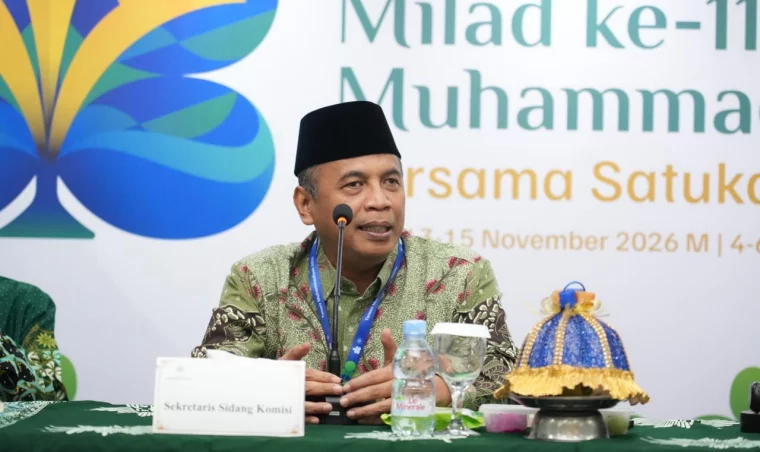
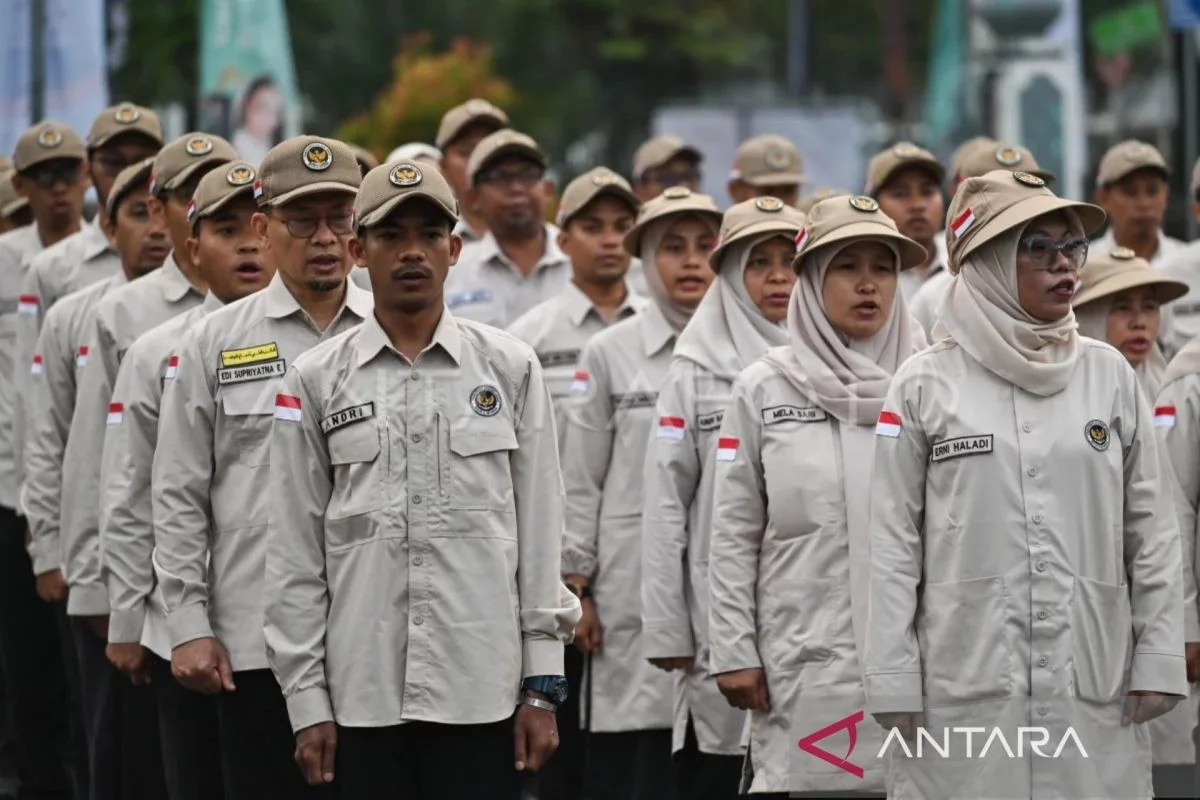
The transformation of Hajj service systems in Saudi Arabia requires Indonesian Hajj Services Support Officers (PPIH) for 1448 AH / 2027 CE to possess high levels of competence, a deep commitment to prioritizing public welfare (maslahah), and adaptive field service capabilities. According to a report from Republika on Sunday, November 22, 2026, guidance and training for prospective officers began with an online soft opening of the PPIH training session running from November 21 to 27, 2026.
As part of these preparations, leadership from Indonesia's Ministry of Hajj and Umrah (Kemenhaj RI) is not only equipping officers with operational workflows and mitigation strategies, but also addressing practical Islamic jurisprudence (fiqh) issues that often create dilemmas for officers serving in the Holy Land. High-ranking Kemenhaj officials highlighted these rulings during the orientation series for prospective Saudi Arabia-bound PPIH officers.
Service Transformation and Operational Mastery for 2027 Hajj Officers
According to Republika, the Director General of Hajj and Umrah Service Management, Puji Raharjo, explained that the transition to a company-based (syarikah) service model demands complete mental and managerial readiness from all staff. Every officer is required to understand specific service mechanisms and clear allocations of authority to prevent overlapping responsibilities in the field.
In his address at the training opening, Raharjo stressed the vital importance of solid coordination across all organizational levels, from work areas (daker) and sectors down to flight groups (kloter), caravans (kafilah), and smaller groups (fawj). Officers are also required to master every phase of pilgrim service, including departure from Indonesia, arrival in Saudi Arabia, the performance of Hajj rituals, and the eventual return home.
Furthermore, mastering Hajj ritual fiqh and practical communication skills, such as conversational Arabic, are essential preparations enabling officers to offer optimal support to the guests of Allah, as explored in detail in the guide on Fulfilling the Fifth Pillar of Islam: Understanding the Meaning and Importance of Hajj.
Fiqh Ruling on Wearing Official Uniforms During Ihram
As reported by Detikhikmah on Monday, November 23, 2026, the Director of Regular Hajj Pilgrim Guidance at Kemenhaj RI, Afief Mundzir, clarified a common fiqh dilemma regarding the duty to wear official uniforms versus standard unstitched ihram garments while on duty. Mundzir confirmed that wearing full official uniforms for duty efficiency does not void the validity of an officer's Hajj under Islamic jurisprudence.
Mundzir explained that wearing unstitched clothing for male pilgrims is classified as a compulsory act (Wajib Hajj), rather than an essential pillar (Rukn Hajj). Consequently, officers who must wear official uniforms for rapid mobilization, physical protection, and clear identification in the field still perform a valid Hajj. Any technical violation of compulsory Hajj requirements due to official duty excuses can be expiated through paying a ritual compensation (dam or fidyah) as prescribed by Islamic law.
The main priority for officers is Khidmah al-Hujjaj—serving the pilgrims. Attending to the welfare of the ummah holds immense worship value and takes precedence over the perfection of personal attire requirements.
Director of Regular Hajj Pilgrim Guidance at Kemenhaj RI, Afief Mundzir
Peak Hajj Mitigation Plans and Command Discipline
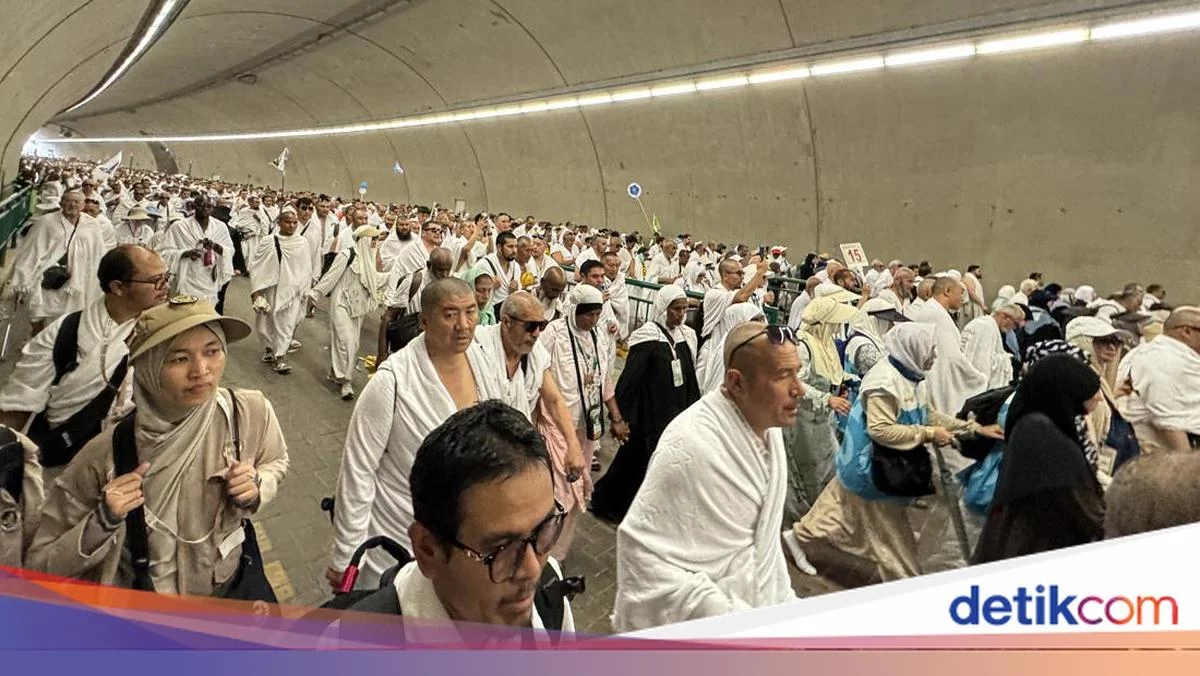
In addition to dress code rulings, orientation for prospective 1448 AH / 2027 CE Saudi Arabia PPIH officers covers comprehensive contingency plans for the peak Hajj days. These mitigation measures include ensuring every pilgrim completes the standing at Arafah (wuquf), facilitating proxy Hajj (badal Hajj) in Arafah for severely ill or incapacitated pilgrims, implementing the transit stay (Mabit Murur) scheme in Muzdalifah, as well as early departure (Tanazul) and proxy pebble throwing (Badal Lontar Jamarat) in Mina.
Concluding his remarks, Mundzir instructed all officer candidates to maintain unity of vision and command under the official regulations of Kemenhaj RI. Staff are strictly prohibited from issuing individual religious rulings (fatwas) or instructions that contradict the government's collective scholarly consensus (ijtihad jama'i), and are urged to maintain reassuring, compassionate communication with pilgrims at all times.