
Inter-Regional Cooperation Vital to Control Inflation in Kalimantan
The Indonesian government stresses inter-regional cooperation and regional budget acceleration to manage inflation and protect purchasing power in Kalimantan.
 Portal Islam




This article was first published in Indonesian. Baca versi Bahasa Indonesia →
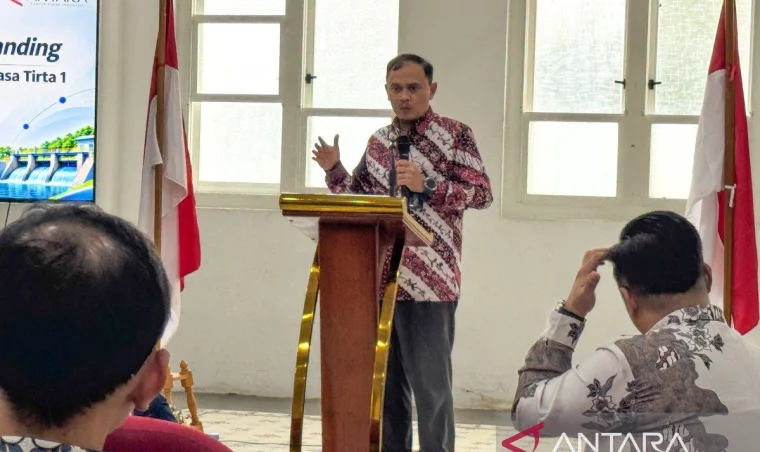
The central government, through Kemendagri (Indonesia's Ministry of Home Affairs), has emphasized that strengthening cross-regional cooperation is a key strategy for maintaining price stability and curbing inflation. According to reports cited from ANTARA and Republika, Deputy Minister of Home Affairs Akhmad Wiyagus delivered these remarks during the 2026 Batch 3 Regional High-Achieving Local Governments Appreciation event for the Kalimantan region in Banjarbaru, South Kalimantan, on Friday night, November 27, 2026 (UTC+7).
In his directive, the Deputy Minister reminded attendees that both regional and national economic growth heavily rely on household consumption and public purchasing power, which contribute approximately 50 percent to the economy. Therefore, food price stability remains a crucial factor to ensure the people's economic activities are not eroded by rising costs.
Inflation Trends and Price Developments in Kalimantan
Based on data released by BPS (Indonesia's Central Statistics Agency) as of November 2, 2026, four out of five provinces in Kalimantan still experienced year-on-year inflation above the national target range. Detailed data from both media outlets outlined the following percentages:
- Central Kalimantan: 5.19 percent
- South Kalimantan: 5.14 percent
- West Kalimantan: 4.17 percent
- East Kalimantan: 4.04 percent
- North Kalimantan: 2.68 percent
In addition to annual inflation, local governments in Kalimantan have been urged to remain vigilant regarding rising Price Development Indices (IPH) over two consecutive weeks across several non-Consumer Price Index (CPI) regencies. These areas include Kubu Raya Regency (West Kalimantan) at 3.30 percent, Kutai Kartanegara (East Kalimantan) at 2.29 percent, West Kutai at 1.10 percent, and Barito at 0.93 percent. These price hikes were driven by commodities such as bird's eye chilies, broiler chicken meat, and shallots, and were further exacerbated by extreme El Niño phenomena affecting food production.
Inter-Regional Synergy and APBD Budget Optimization
To overcome food supply constraints, the Deputy Minister encouraged the activation of TPID (Regional Inflation Control Teams) and the strengthening of inter-regional cooperation. This collaboration has proven effective, as demonstrated by the Banjarmasin City Government, which partnered with Brebes Regency for shallots and Blitar Regency for egg supplies.
Beyond inflation control, regional heads were also instructed to accelerate the realization of the APBD (Regional Revenue and Expenditure Budget). Based on budget realization reports as of November 20, 2026, regional revenues at the provincial level recorded favorable figures: Central Kalimantan reached 92.38 percent, West Kalimantan 90.13 percent, East Kalimantan 86.39 percent, and North Kalimantan 80.44 percent. However, expenditure absorption still needs to be optimized to promptly stimulate the grassroots economy.
وَلَا تُؤْتُوا السُّفَهَاۤءَ اَمْوَالَكُمُ الَّتِيْ جَعَلَ اللّٰهُ لَكُمْ قِيٰمًا وَّارْزُقُوْهُمْ فِيْهَا وَاكْسُوْهُمْ وَقُوْلُوْا لَهُمْ قَوْلًا مَّعْرُوْفًا ﴿٥﴾
And do not give the weak-minded your property, which Allah has made a means of sustenance for you, but provide for them with it and clothe them and speak to them words of appropriate kindness.
Qur'an, Surah An-Nisaa [4]: 5 (Sahih International)
This verse highlights the importance of wisely managing and circulating wealth and budgets to bring tangible benefits to the wider public. In line with the President's directives regarding the rationalization of goods and services expenditures, budget savings are expected to be redirected to serve regional interests and the broader community.
Practical Steps for Business Owners and Muslim Families
For micro, small, and medium enterprises (MSMEs) and Muslim families alike, safeguarding economic stability begins with financial prudence, avoiding excessive practices, and prioritizing affordable local food commodities. Strengthening supply chains and engaging in honest, transparent economic cooperation serve as essential pillars for practicing muamalah filled with blessings.