Islamic Perspective on Fitness: Caring for Body and Soul
Discover how exercise and physical fitness fit into Islam. Learn how caring for your body serves as a form of worship and strengthens your spiritual bond.
 Portal Islam



This article was first published in Indonesian. Baca versi Bahasa Indonesia →
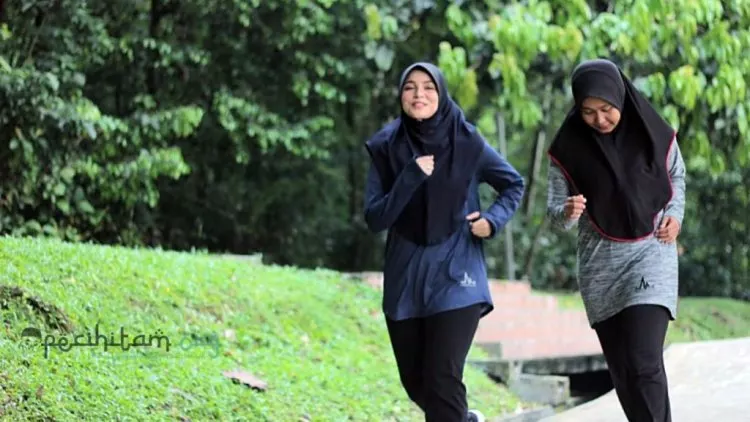
Physical exercise is not only beneficial for bodily health, but it also carries profound spiritual value in Islam. Exercise within an Islamic framework helps us care for both body and soul, turning daily fitness routines into a rewarding act of devotion.
Fitness from an Islamic Perspective
In Islam, the human body is regarded as a sacred trust (amanah) from Allah that must be carefully maintained and protected. The Prophet Muhammad ﷺ encouraged believers to preserve their health through physical activity and exercise. Throughout Islamic teachings and the Qur'an, Muslims are urged to appreciate their physical well-being and maintain good fitness.
The Benefits of Exercise for Body and Soul
Physical Fitness
Engaging in regular exercise significantly improves physical fitness. Activities such as running, swimming, or cycling strengthen muscles, build stamina, and support cardiovascular and respiratory health. Maintaining physical fitness leaves us feeling more energetic, vibrant, and better equipped to perform daily tasks and acts of worship.
Mental and Emotional Well-Being
Exercise also exerts a positive impact on mental and emotional health. Physical activity stimulates the release of endorphins—hormones that elevate mood and alleviate stress. Furthermore, exercise provides a healthy outlet for releasing tension and anxiety, helping maintain emotional balance and reducing the risk of mental fatigue.
Spirituality and Devotion to Allah
When viewed through an Islamic lens, exercise can be elevated into a meaningful form of worship. By engaging in physical activity with a sincere intention to keep the body healthy, we honor the trust given to us by Allah and transform fitness into a means of drawing closer to Him. Exercising with mindfulness of our reliance on Allah strengthens our spiritual connection and deepens our faith.
Recommended Sports in Islamic Tradition
Islamic tradition highlights several physical activities for their specific health and practical benefits. Some of these include:
Walking
Walking is one of the most accessible and recommended forms of exercise in Islam. The Prophet Muhammad ﷺ frequently walked briskly, exemplifying a simple yet effective physical habit. Regular walking enhances cardiovascular fitness, burns calories, and supports overall health.
Swimming
Swimming is another highly recommended activity in Islamic tradition. The Prophet Muhammad ﷺ encouraged activities like swimming for physical conditioning and mental refreshing. Swimming engages all major muscle groups, builds strength and endurance, and enhances balance and flexibility.
Martial Arts
Martial arts embody core values such as discipline, perseverance, and strength. Engaging in martial arts—whether traditional forms like pencak silat (the traditional Indonesian martial art), taekwondo, or karate—involves more than physical strength. It demands self-control, sharp focus, and strong character development.
Conclusion
Practicing healthy exercise within an Islamic framework offers a holistic approach to nurturing both body and soul. By maintaining our physical well-being, we simultaneously uplift our mental and spiritual health. In Islam, taking care of our health is a noble act of worship that helps us fulfill our duty toward Allah's trust. Let us commit to caring for our bodies and souls through consistent, mindful physical activity.