
KPK Probes Disaster Agency Corruption Involving Emergency Funds
Indonesia's Corruption Eradication Commission questions witnesses in a major probe into alleged corruption of emergency disaster funds at BNPB.
 Portal Islam

This article was first published in Indonesian. Baca versi Bahasa Indonesia →
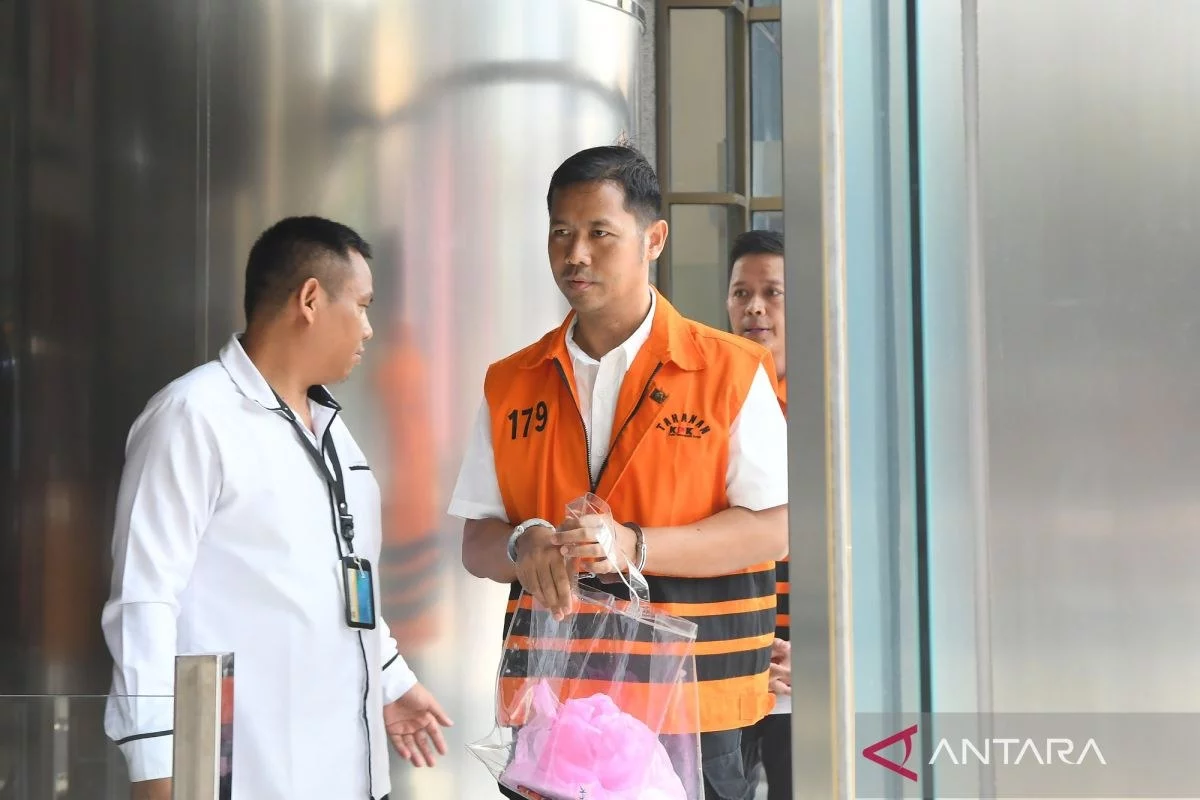
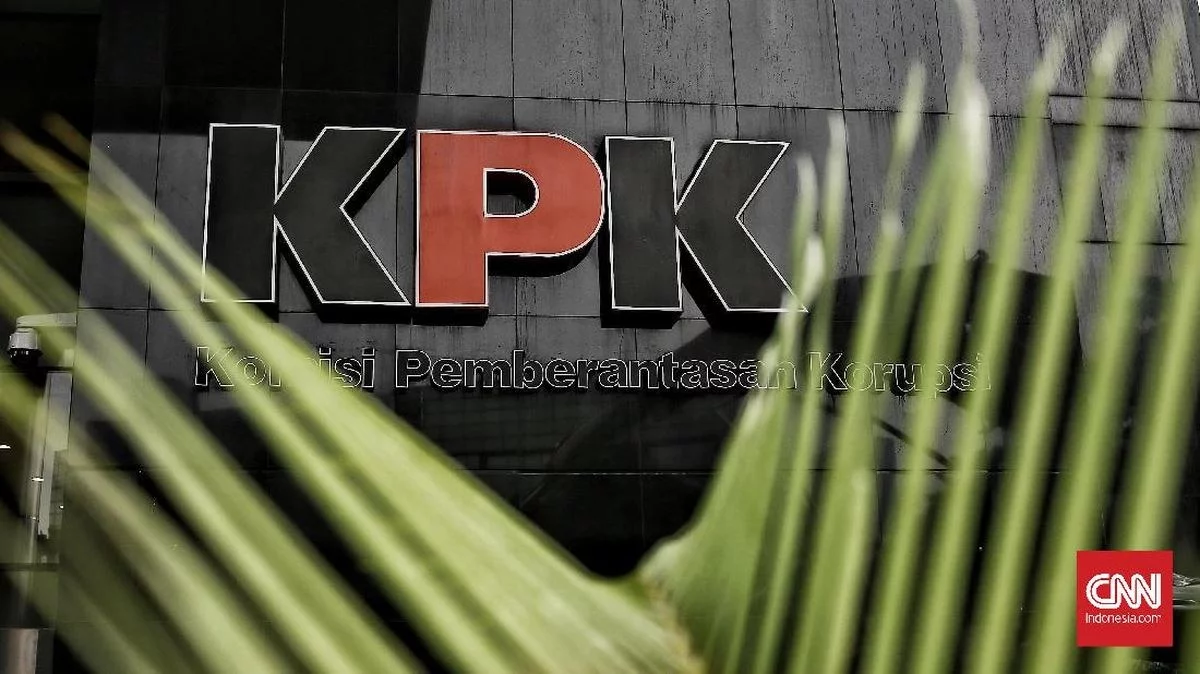
Jakarta, Portal-Islam.com — Indonesia's Corruption Eradication Commission (KPK) questioned several witnesses on Tuesday, 24 November 2026, as part of an investigation into alleged corruption in the procurement of goods and services funded through Emergency Ready Funds (DSP) at the National Disaster Management Agency (BNPB).
According to reports from ANTARA and CNN Indonesia, those summoned for questioning included the wife and daughter of former BNPB Chief Lieutenant General (TNI) Suharyanto. KPK Spokesperson Budi Prasetyo confirmed the examination schedule to journalists in Jakarta.
Witness Examinations and Varying Name Formats
CNN Indonesia identified the family members summoned as Ervianti Rahmasari (wife) and Amadhea Yudith Eryanti (daughter, representing the private sector). In contrast, state news agency ANTARA referred to them by initials: ER, identified as a housewife, and AYE, representing the private sector.
In addition to family members, the KPK summoned several other individuals. CNN Indonesia named them as businessman Yoris Haryanto Apriadi, BNPB civil servant Adhi Rahmawan Halim, and BNPB Director of Region I Emergency Management Agus Riyanto. ANTARA listed these three witnesses by their initials: YHA, ARH, and AR.
ANTARA reported that as of Tuesday (24/11/2026) at 14:10 WIB (UTC+7), YHA, AR, and ARH had complied with the investigators' summons. The attendance status of the former BNPB Chief's wife and daughter remained unconfirmed at that time.
Suspects Named and Evidence Seized
The anti-graft agency has named five suspects in connection with the BNPB case. According to CNN Indonesia, the suspects are Commitment-Making Officer (PPK) and Head of Aid and Emergency Management Sub-division Gabriel Purwaka Sigit; Expert Staff to the Head of BNPB Bima Setiawan and Richard Erlangga; and private sector individuals Gery Prasetiawan and Syifa Nrika. Bima Setiawan is the younger brother of former BNPB Chief Lt. Gen. Suharyanto.
Meanwhile, ANTARA identified the suspects by initials: GPS (Head of Aid and Emergency Management Sub-division), RE (Expert Staff), BS (Expert Staff and brother of the former BNPB chief), GP (Director of PT Trans Lintas Selaras), and SNG (private sector).
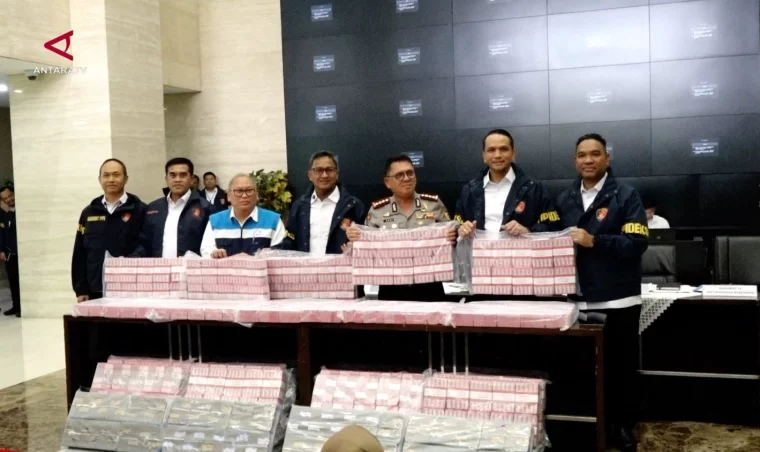
The case stems from a sting operation on 13 October 2026, during which 15 individuals were detained, followed by the formal naming of suspects on 14 October 2026. On 16 October 2026, the KPK seized evidence valued at Rp5.47 billion, comprising US$7,500, SG$9,000, Rp3.35 billion in cash, 56 gold bars weighing 133 grams valued at Rp315.8 million, 192 grams of gold savings worth Rp452 million, and crypto assets worth Rp1.10 billion.
Disaster Fund Allocations and Conflict of Interest
CNN Indonesia reported that procurement funded through BNPB's emergency ready fund (DSP) between 2024 and 2026 totaled Rp148 billion. These emergency funds were earmarked for major disaster responses, including forest fires in Papua and Kalimantan, severe flooding in Sumatra and Aceh in November 2025, and an earthquake in East Nusa Tenggara (NTT).
Investigators uncovered serious irregularities in how the emergency disaster funds were managed. KPK Acting Director of Investigation Achmad Taufik Husein explained the findings:
"In the process of using the DSP, the KPK found alleged conflicts of interest and bribery."
KPK investigators also searched the workspace of the BNPB Chief and notified the Indonesian National Armed Forces Military Police Center (Puspom TNI) regarding potential active military involvement. On 20 October 2026, the KPK sent an official letter to Commander of the Indonesian National Armed Forces General Agus Subiyanto, subsequently questioning Lt. Gen. Suharyanto and an active military BNPB Deputy as witnesses on 12 November 2026.
Islamic Perspective: Integrity in Managing Disaster Relief
This legal process serves as a stark reminder of the imperative to uphold anti-corruption commitments and public accountability. In Islamic law, funds designated for humanitarian aid and disaster relief represent a sacred trust (amanah) intended to relieve human suffering. Their administration must strictly avoid bribery (risywah), conflicts of interest, and unlawful enrichment.
The Qur'an emphasizes financial integrity and strictly forbids bribery when dealing with wealth:
وَلَا تَأْكُلُوْٓا اَمْوَالَكُمْ بَيْنَكُمْ بِالْبَاطِلِ وَتُدْلُوْا بِهَآ اِلَى الْحُكَّامِ لِتَأْكُلُوْا فَرِيْقًا مِّنْ اَمْوَالِ النَّاسِ بِالْاِثْمِ وَاَنْتُمْ تَعْلَمُوْنَ ࣖ ﴿١٨٨﴾
And do not consume one another's wealth unjustly or send it [in bribery] to the rulers in order that [they might aid] you [to] consume a portion of the wealth of the people in sin, while you know [it is unlawful].
Qur'an, Surah Al-Baqara [2]: 188 (Sahih International)
Honesty, transparency, and meticulous care in managing emergency relief funds are essential principles to ensure that public funds carry divine blessings and bring genuine relief to disaster-stricken communities.