Sakaratul Maut: Hidden Mercy and Trials Full of Wisdom
Explore the Islamic perspective on sakaratul maut, the agonizing moments of death as a mercy and purifier for believers, and lessons on a good ending.
 Portal Islam



This article was first published in Indonesian. Baca versi Bahasa Indonesia →
Qur'anic Commentary: The Angels Who Extract Souls
Allah Ta'ala says in Surah An-Nazi'at:
بِسْمِ اللَّهِ الرَّحْمَٰنِ الرَّحِيمِ وَالنَّازِعَاتِ غَرْقًا وَالنَّاشِطَاتِ نَشْطًا
"By those [angels] who extract with force. And [by those who] remove with ease." (QS. An-Nazi'at: 1-2)
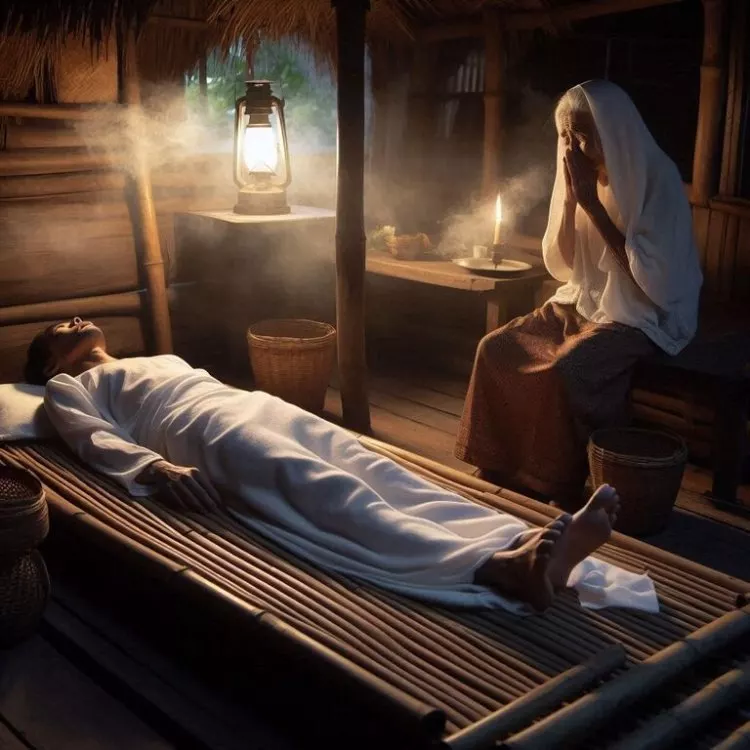
This noble verse describes two conditions of soul extraction performed by the angel of death and his assistants. Some souls are extracted harshly, and others gently. This demonstrates that every human being's experience of sakaratul maut varies, in accordance with Allah's will and wisdom.
Sakaratul Maut: A Form of Mercy
We often imagine sakaratul maut as a terrifying moment. However, from an Islamic perspective, it is a part of Allah's mercy. Mercy is not always synonymous with pleasure and ease. Sometimes, it comes in the form of a trial that feels heavy, yet contains immense goodness behind it.
The Difference Between Believers and Non-Believers
A frequently asked question: Why do many non-Muslims appear calmer and find it easier when facing death, while a Muslim may groan in pain?
The explanation holds deep wisdom:
-
For Non-Muslims:
Allah is Just. Whatever good deeds they perform in this world—such as helping others, honoring parents, or being honest—will be fully rewarded in this world. They may attain a comfortable life, good health, or ease when approaching death as a form of completing their worldly recompense. However, because they pass away without faith, in the hereafter there is no share for them except the eternal punishment of the Fire. Allah says:مَن كَفَرَ فَعَلَيْهِ كُفْرُهُ
"Whoever disbelieves, upon him is [the consequence of] his disbelief." (QS. Ar-Rum: 44) -
For Muslims:
The pain and difficulty during sakaratul maut can actually be a mercy and blessing. It functions as:-
An Expiation of Sins: Every pain, every drop of sweat, and every difficulty experienced by a believer at the time of death can serve as a kaffarah (expiation) for their sins, as long as major sins (such as shirk) have been avoided by them.
-
A Warning and Purification: It becomes the final moment to repent and remember Allah, elevating taqwa (piety) in the final moments.
-
A Cause for Relief in the Hereafter: This worldly suffering can diminish or even erase the reckoning and punishment in the hereafter, allowing them to enter paradise in a purer state. The Prophet Muhammad ﷺ said regarding a sick person:
مَا يُصِيبُ الْمُسْلِمَ مِنْ نَصَبٍ وَلَا وَصَبٍ وَلَا هَمٍّ وَلَا حُزْنٍ وَلَا أَذًى وَلَا غَمٍّ حَتَّى الشَّوْكَةِ يُشَاكُهَا إِلَّا كَفَّرَ اللَّهُ بِهَا مِنْ خَطَايَاهُ
"No fatigue, disease, sorrow, sadness, hurt, or distress befalls a Muslim, even if it is the prick of a thorn, but that Allah expiates some of his sins for that." (Agreed upon (Bukhari and Muslim)). -
Preparing for a Good End (Husnul Khatimah)
Since we do not know how our lives will end, our obligation is to strive and pray imploring Allah to be granted a good conclusion.
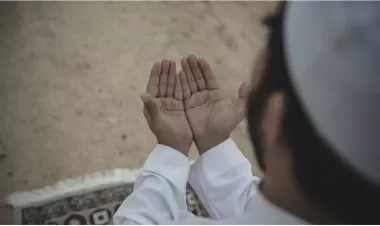
Beseech Allah With This Du'a:
اللَّهُمَّ اجْعَلْ خَيْرَ عُمْرِي آخِرَهُ، وَخَيْرَ عَمَلِي خَوَاتِمَهُ، وَخَيْرَ أَيَّامِي يَوْمَ أَلْقَاكَ فِيهِ
"O Allah, make the best of my life its end, the best of my deeds its conclusion, and the best of my days the day I meet You."
The paramount du'a is to ask for the ability to utter the kalimah at-tauhid at the end of life. This is the key to paradise.
The Virtue of Ending Life With the Kalimah at-Tauhid
The Prophet said:
مَنْ كَانَ آخِرُ كَلَامِهِ لَا إِلَهَ إِلَّا اللَّهُ دَخَلَ الْجَنَّةَ
"Whoever's last words are 'Laa ilaha illallah', will enter paradise." (Narrated by Abu Dawud, authenticated by al-Albani).
This is why the ulama strongly encourage us to tarbiyah (educate) our tongues by constantly engaging in dhikr, particularly the kalimah at-tauhid. So that when the appointed time arrives, a tongue accustomed to uttering those noble words will easily say them again.
Conclusion
Sakaratul maut is a doorway that every created being must traverse. For a believer, every passing second—though it feels heavy—is a form of Allah's love and affection to purify them. Do not envy the ease witnessed in others, for the reward of the hereafter is the ultimate reality. Let us prepare ourselves by:
-
Increasing righteous deeds.
-
Continuously refining the quality of our tauhid.
-
Accustoming our tongues to dhikr, especially the phrase لَا إِلَهَ إِلَّا اللَّهُ.
-
Ceaselessly imploring Allah to be granted حُسْنَ الْخَاتِمَةِ (husnul khatimah).
May Allah cause us to die in a state of husnul khatimah, and bless us with the kalimah at-tauhid as the crowning conclusion of our worldly life. آمِينَ يَا رَبَّ الْعَالَمِين.