

Bank Indonesia Strengthens Rupiah Stabilization Amid Global Pressure
Bank Indonesia intensifies market interventions to stabilize the rupiah against global economic pressures and increased corporate foreign exchange demand.
 Portal Islam



This article was first published in Indonesian. Baca versi Bahasa Indonesia →
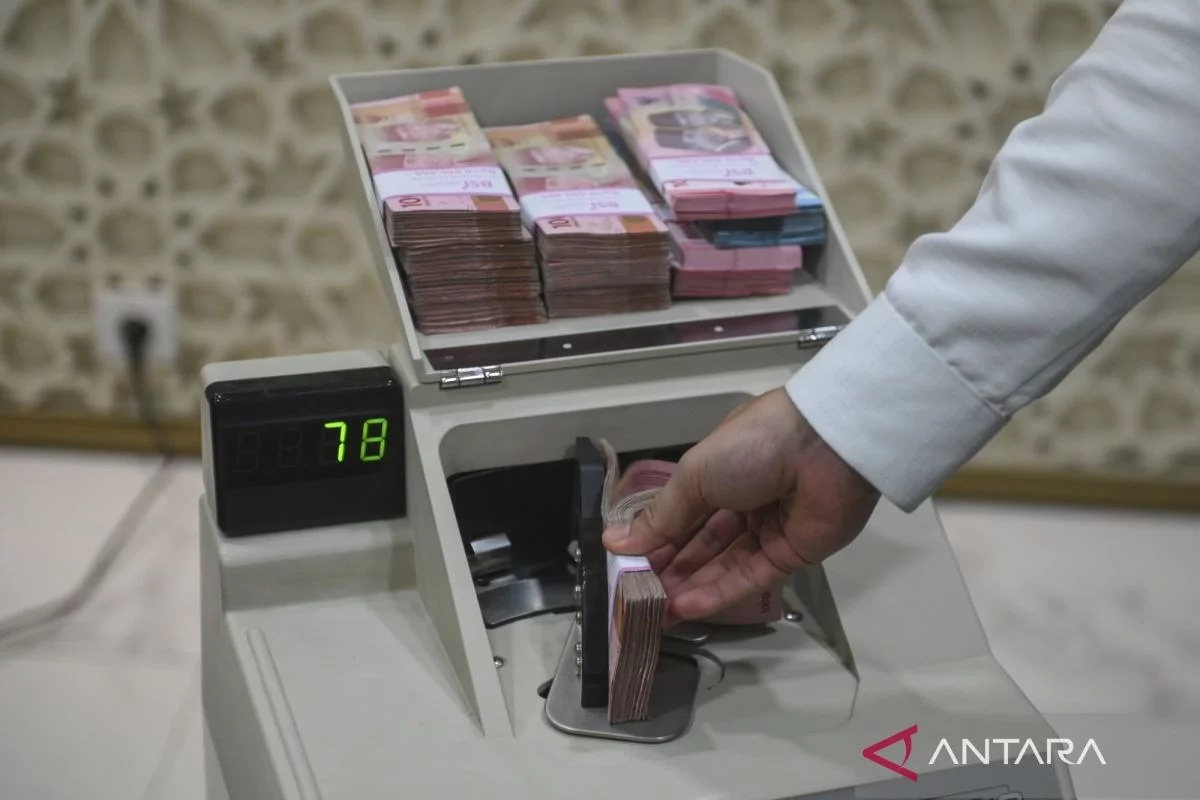
Bank Indonesia (BI), the central bank of Indonesia, is intensifying efforts to stabilize the rupiah exchange rate amidst dynamic global financial market pressures. According to reports from ANTARA and Republika on Thursday (November 26, 2026, UTC+7), the pressure on the national currency is driven by global risk-off sentiment and increased demand for foreign exchange (forex) by corporations approaching the end of the month.
Erwin Gunawan Hutapea, Head of the Monetary Management and Securities Assets Department at BI, stated that the central bank is maintaining intensive coordination with market participants. Stabilization measures are being executed through integrated interventions in the offshore market via Non-Deliverable Forward (NDF) transactions, as well as in the domestic market through spot transactions, Domestic Non-Deliverable Forward (DNDF) transactions, and Government Securities (SBN) transactions in the secondary market.
Factors Pressuring the Rupiah and BI's Response
Reports from Republika and ANTARA indicate that the pressure on the rupiah is also triggered by concerns over potential stock reclassification by Morgan Stanley Capital International (MSCI), which risks inciting capital outflows. Furthermore, solid United States economic data amid persistent inflation has kept the US Dollar Index (DXY) elevated, subsequently putting pressure on other currencies.
On Thursday afternoon, the rupiah exchange rate touched the level of Rp18,400 per US dollar. Rully Nova, an analyst at Bank Woori Saudara, estimates the rupiah will move within the range of Rp18,290 to Rp18,400 per US dollar. As an anticipatory measure, BI has cumulatively raised its benchmark interest rate (BI-Rate) by 125 basis points (bps) since the beginning of the year, with the latest increase of 25 bps in November 2026 bringing the BI-Rate to 6 percent.
Maintaining Stability Amid Uncertainty
This interest rate hike policy aims to keep inflation for 2026–2027 within the target range of 2.5 percent plus or minus 1 percent, while simultaneously maintaining the attractiveness of domestic assets amid the potential for US Federal Reserve interest rate hikes this coming December. BI also ensures sufficient bank foreign exchange liquidity, with Indonesia's foreign exchange reserves recorded at 146.3 billion US dollars at the end of September 2026.
In facing economic dynamics full of uncertainty, Muslims are taught to always practice tawakkul (trust in Allah) after exerting maximum effort. The management of wealth and economic affairs should be conducted with complete honesty, avoiding practices prohibited by Sharia.
وَّيَرْزُقْهُ مِنْ حَيْثُ لَا يَحْتَسِبُۗ وَمَنْ يَّتَوَكَّلْ عَلَى اللّٰهِ فَهُوَ حَسْبُهٗ ۗاِنَّ اللّٰهَ بَالِغُ اَمْرِهٖۗ قَدْ جَعَلَ اللّٰهُ لِكُلِّ شَيْءٍ قَدْرًا ﴿٣﴾
And will provide for him from where he does not expect. And whoever relies upon Allah - then He is sufficient for him. Indeed, Allah will accomplish His purpose. Allah has already set for everything a [decreed] extent.
Qur'an, Surah At-Talaaq [65]: 3 (Sahih International)
As a guide for Muslim families in managing finances during challenging economic conditions, it is important to prioritize caution, avoid interest-based (riba) debt, and always be grateful for the sustenance provided by Allah. For those planning their children's future education, please refer to the guide 10 Steps to Choosing the Best Islamic School for Your Child to ensure it remains aligned with Islamic values.