East Kalimantan Expands Vehicle Tax Penalty Amnesty to 2026
East Kalimantan has expanded its vehicle tax penalty amnesty program through December 2026 to ease local economic burdens and boost revenue.
 Portal Islam
This article was first published in Indonesian. Baca versi Bahasa Indonesia →
The East Kalimantan Provincial Government (Pemprov Kaltim) has officially expanded its motor vehicle tax (PKB) penalty relief program. Designed to ease the economic burden on residents, the policy now covers all tax years and has been extended through December 20, 2026, as reported by Republika and national news agency ANTARA on Tuesday (25/11/2026).
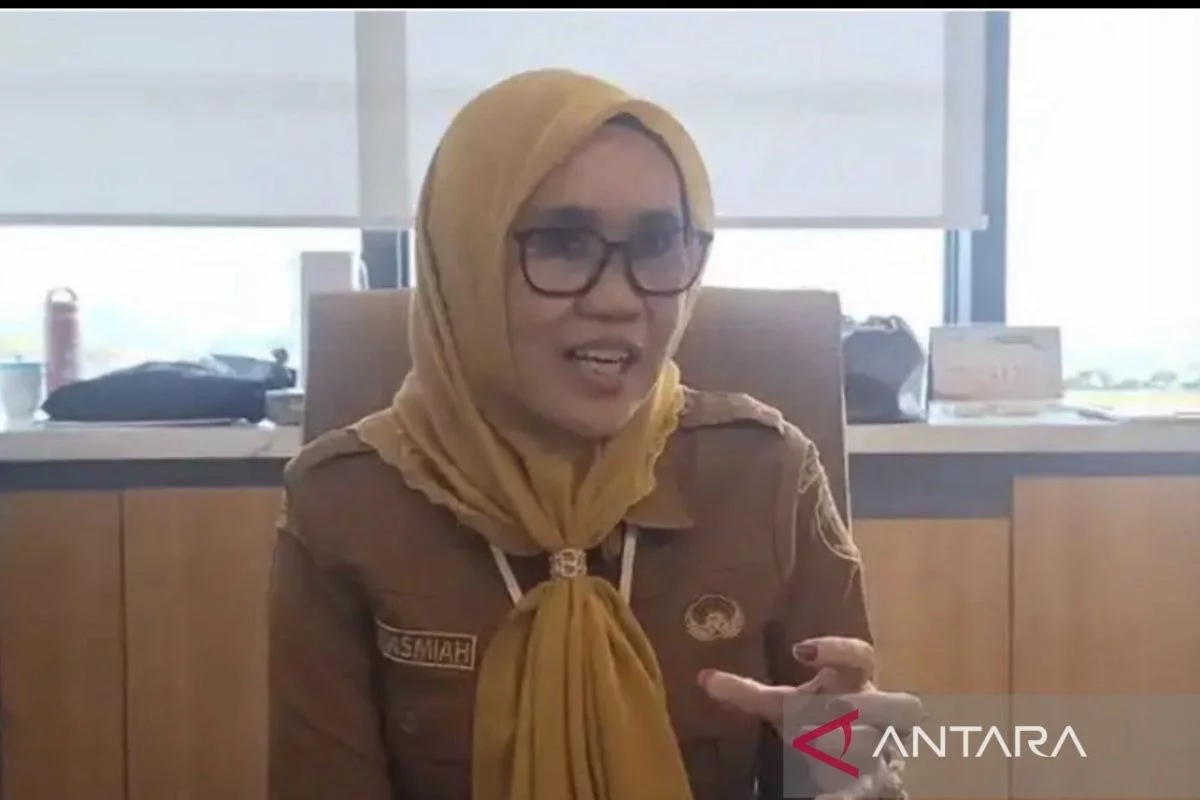
Dasmiah, head of Bapenda Kaltim (the East Kalimantan Regional Revenue Agency), explained that the expansion is a strategic measure to optimize regional revenue (PAD) amid ongoing challenges to public purchasing power. Previously, between September 20 and November 20, 2026, penalty waivers applied only to tax arrears from 2024 and earlier.
2 Details of the Tax Relief ProgramAccording to ANTARA, the extension period runs from November 21 to December 20, 2026, and includes unpaid tax liabilities for 2025, 2026, and prior years. Dasmiah noted that taxpayers who had previously fallen behind due to financial difficulties can now settle their principal tax owed without incurring any penalty fees.
Taxpayer compliance remains a significant hurdle for regional authorities. Data reported by Republika reveals that motor vehicle tax collection in Samarinda, the provincial capital, reached 192 billion IDR as of November 22, 2026, against a target of 206 billion IDR. Sampling data indicates that only around 1,200 out of 2,500 registered vehicle owners in surveyed areas had fulfilled their tax obligations.
3 Synergy and Use of Tax RevenuesTo reach its collection goals, Bapenda Kaltim is stepping up proactive outreach through door-to-door campaigns and tax service booths in public areas. Dasmiah emphasized that collected tax funds are funneled directly back into regional development, including healthcare, education, and infrastructure.
From an Islamic economic perspective, fulfilling tax obligations is part of obedience to lawful authority for the public good (maslahah mursalah). This aligns with the Islamic principle of mutual support in goodness and piety.
يٰٓاَيُّهَا الَّذِيْنَ اٰمَنُوْا لَا تُحِلُّوْا شَعَاۤىِٕرَ اللّٰهِ وَلَا الشَّهْرَ الْحَرَامَ وَلَا الْهَدْيَ وَلَا الْقَلَاۤىِٕدَ وَلَآ اٰۤمِّيْنَ الْبَيْتَ الْحَرَامَ يَبْتَغُوْنَ فَضْلًا مِّنْ رَّبِّهِمْ وَرِضْوَانًا ۗوَاِذَا حَلَلْتُمْ فَاصْطَادُوْا ۗوَلَا يَجْرِمَنَّكُمْ شَنَاٰنُ قَوْمٍ اَنْ صَدُّوْكُمْ عَنِ الْمَسْجِدِ الْحَرَامِ اَنْ تَعْتَدُوْاۘ وَتَعَاوَنُوْا عَلَى الْبِرِّ وَالتَّقْوٰىۖ وَلَا تَعَاوَنُوْا عَلَى الْاِثْمِ وَالْعُدْوَانِ ۖوَاتَّقُوا اللّٰهَ ۗاِنَّ اللّٰهَ شَدِيْدُ الْعِقَابِ ﴿٢﴾
O you who have believed, do not violate the rites of Allah or [the sanctity of] the sacred month or [neglect the marking of] the sacrificial animals and garlanding [them] or [violate the safety of] those coming to the Sacred House seeking bounty from their Lord and [His] approval. But when you come out of ihram, then [you may] hunt. And do not let the hatred of a people for having obstructed you from al-Masjid al-Haram lead you to transgress. And cooperate in righteousness and piety, but do not cooperate in sin and aggression. And fear Allah; indeed, Allah is severe in penalty.
Qur'an, Surah Al-Maaida [5]: 2 (Sahih International)
Regional authorities also stressed the importance of joint revenue mechanisms, such as the Motor Vehicle Fuel Tax (PBBKB) sharing scheme, which allocates 70 percent of funds to the province and 30 percent to regencies and cities. This approach is intended to reinforce public financial literacy, supporting efforts by OJK and ICMI to Strengthen Islamic Financial Literacy and Inclusion in Indonesia to build a transparent and beneficial economic environment for the ummah.
2 Sources