Can Littering Be an Ongoing Sin (Dosa Jariyah) in Islam?
Discover the Islamic perspective on littering, why causing persistent environmental harm can become an ongoing sin (dosa jariyah), and how to care for nature.
 Portal Islam



This article was first published in Indonesian. Baca versi Bahasa Indonesia →
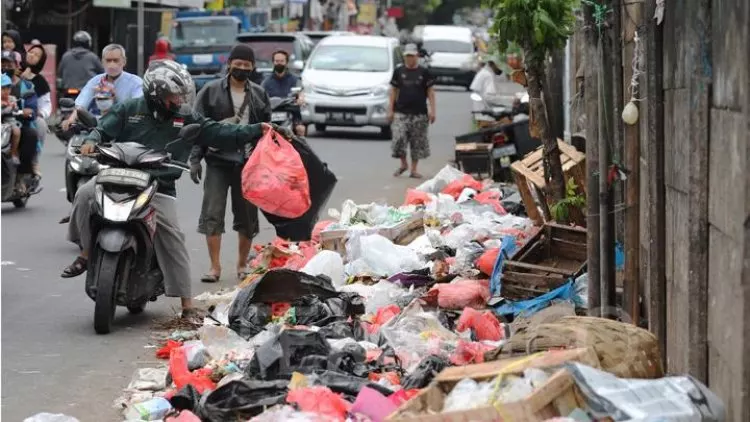
Littering is a common sight in many communities. Food scraps, plastic bags, paper, and various other types of waste are often discarded carelessly without any regard for the consequences. However, did you know that in Islamic teachings, littering can actually become a dosa jariyah (an ongoing sin)?
What Is an Ongoing Sin (Dosa Jariyah)?
In Islamic terminology, dosa jariyah refers to a sin whose negative burden continues to accumulate for the perpetrator even after they have passed away. As long as others—or the environment—continue to suffer from the harmful impact of that action, the weight of the sin continues to accrue to the person who committed it.
The Concept of Cleanliness in Islam
As Muslims, we are taught to maintain the cleanliness, purity, and beauty of our surroundings. The Prophet Muhammad ﷺ emphasized the importance of keeping living spaces clean and managing waste properly. He consistently stressed keeping the environment clean and free from all forms of harm and pollution.
The Negative Impacts of Littering
Carelessly discarding waste inflicts severe harm on the environment and all living creatures around us. Some of the major negative impacts include:
Environmental Pollution: Trash thrown anywhere pollutes the soil, water, and air. This contamination disrupts ecosystems and creates serious health risks for communities.
Vector-Borne Diseases: Improperly managed waste becomes a breeding ground for pests and mosquitoes that transmit dangerous diseases such as dengue and malaria.
Ecosystem Degradation: Excessive waste accumulation disrupts ecological balance, threatening local flora and fauna.
Harm to Animal Life: Humans are not the only ones affected; animals frequently suffer injury or death due to discarded plastic and toxic waste.
Littering from an Islamic Perspective
In Islamic jurisprudence, causing public harm through littering can be considered a sinful act (maksiat). The Prophet Muhammad ﷺ said:
"Clearing bushes from the path is charity, reminding others to do good is charity, feeding livestock is charity, and removing waste from the road is charity."
Narrated by al-Bukhari and Muslim
From this hadith, we learn that removing waste and hazards from the environment is a form of worship (ibadah) that earns the reward of charity (sadaqah). Conversely, throwing trash indiscriminately creates a hazard, incurs sin, and deprives a person of divine reward.
Practical Steps for a Greener Future
Maintaining the cleanliness and beauty of the Earth is an integral part of our faith. We can active change our habits and protect the environment by taking the following steps:
Separate Waste: Always sort organic and inorganic waste, and make proper use of designated trash bins.
Reduce Single-Use Plastics: Switch to reusable containers, bags, and water bottles to minimize plastic pollution.
Recycle and Reuse: Repurpose items that are still functional and recycle materials whenever possible.
Educate Others: Raise awareness among family members, friends, and the wider community about the religious and social duty of environmental care.
By taking these actions, we not only protect the planet from destruction but also earn lasting rewards from Allah for our good deeds.
Conclusion
Littering can turn into a dosa jariyah (ongoing sin) in Islam because its destructive consequences linger long after the act is committed. Let us reform our habits and adopt a responsible lifestyle to keep our surroundings clean. In doing so, we fulfill our duty as stewards of the Earth and draw closer to Allah. Protect the environment, protect your heart, and guard your deeds. May Allah grant us the grace to be mindful stewards of His creation and earn His pleasure.