Fires in Indonesia: Causes, Impacts, Types, and Prevention
Discover the causes of fires in Indonesia, their impact on communities and the environment, and effective ways to prevent residential and forest fires.
 nartia29282



This article was first published in Indonesian. Baca versi Bahasa Indonesia →
Fires in Indonesia: Causes, Impacts, Types, and Prevention
Fires are among the disasters that occur frequently each year in Indonesia, affecting residential areas, industrial zones, as well as forests and land. Beyond causing massive material losses, fires also threaten human safety, damage the environment, and disrupt community activities.
The vast majority of fire incidents are caused by human negligence, such as electrical short circuits, uncontrolled use of fire, and land clearing through burning. Therefore, understanding the causes, impacts, and preventive measures regarding fires is of utmost importance.
Fires remain a frequent disaster in Indonesia, occurring in both urban settings and forested or rural land. These incidents can trigger widespread destruction, ranging from structural damage and lost assets to environmental pollution and threats to human life.
Indonesia spans a vast territory with diverse environmental conditions that create a relatively high risk of fire. During the dry season, particularly in regions with extensive peatlands and large forests, forest and land fires present a recurring challenge.
What Is a Fire?
A fire is an uncontrolled outburst of flames that burns buildings, land, forests, vehicles, or other objects. Fires can happen at any time and often spread rapidly if not addressed immediately.
Types of Fires in Indonesia
1. Residential and Settlement Fires
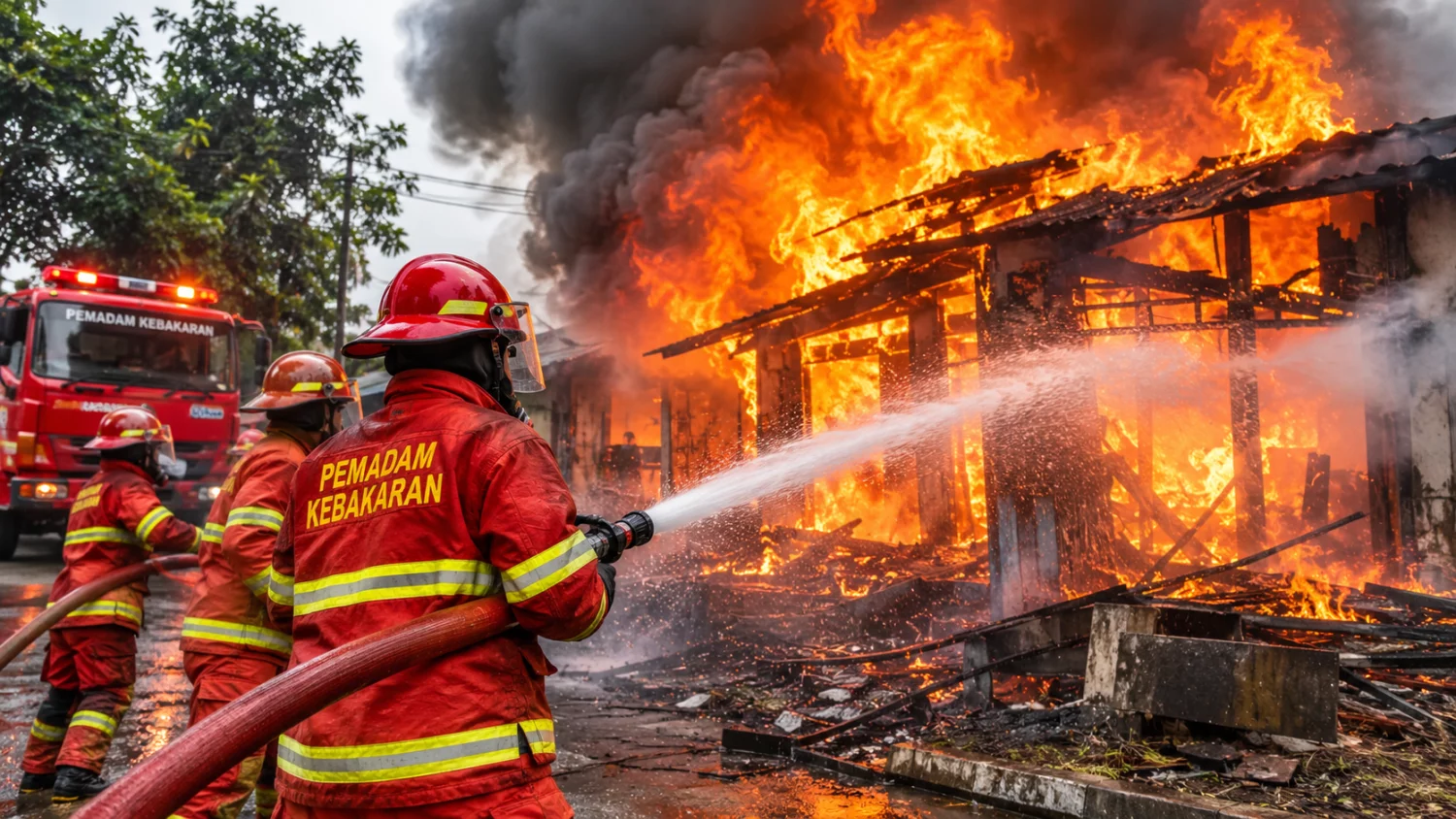
House fires are among the most common types of fires in Indonesia. Densely populated neighborhoods carry a higher risk because close building proximity accelerates the spread of flames.
https://portal-islam.com/uploads/images/202611/image_750x_6b010d954d6d0.webp
Causes of House Fires
• Electrical short circuits.
• Gas stove leaks.
• Unattended burning candles or cigarettes.
• Overloading electrical outlets.
• Negligence while cooking.
2. Forest and Land Fires
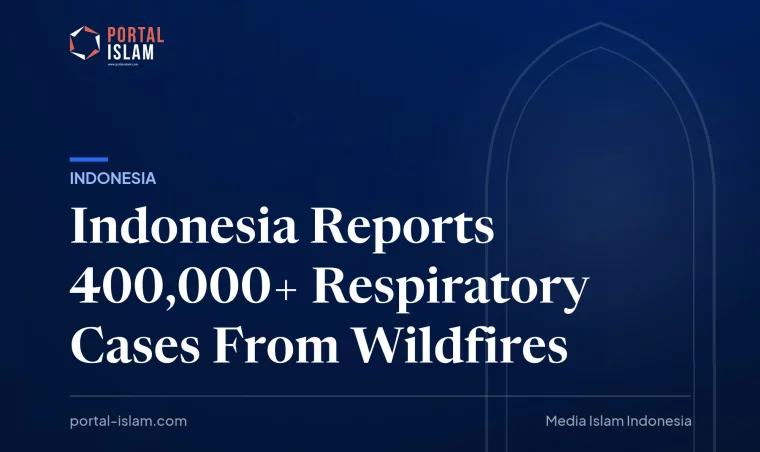
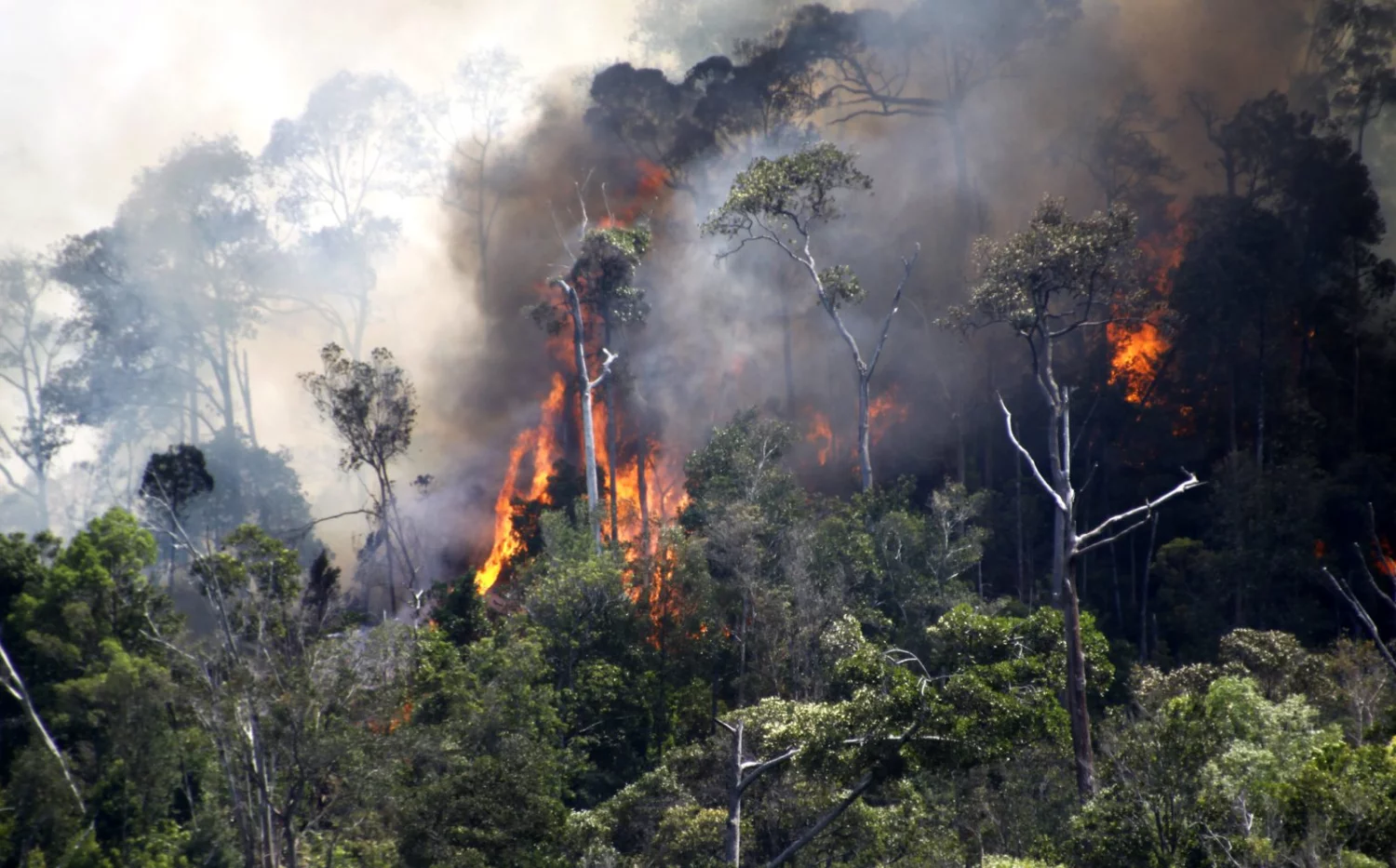
Forest and land fires frequently occur during the dry season. Flames can spread quickly due to dry vegetation and strong winds.
https://portal-islam.com/uploads/images/202611/image_750x_6affc00e5785e.webp
Impact of Forest and Land Fires
• Smog that disrupts public health.
• Destruction of wildlife habitats.
• Decline in air quality.
• Severe economic losses.
• Disruption of air transportation.
3. Industrial Fires
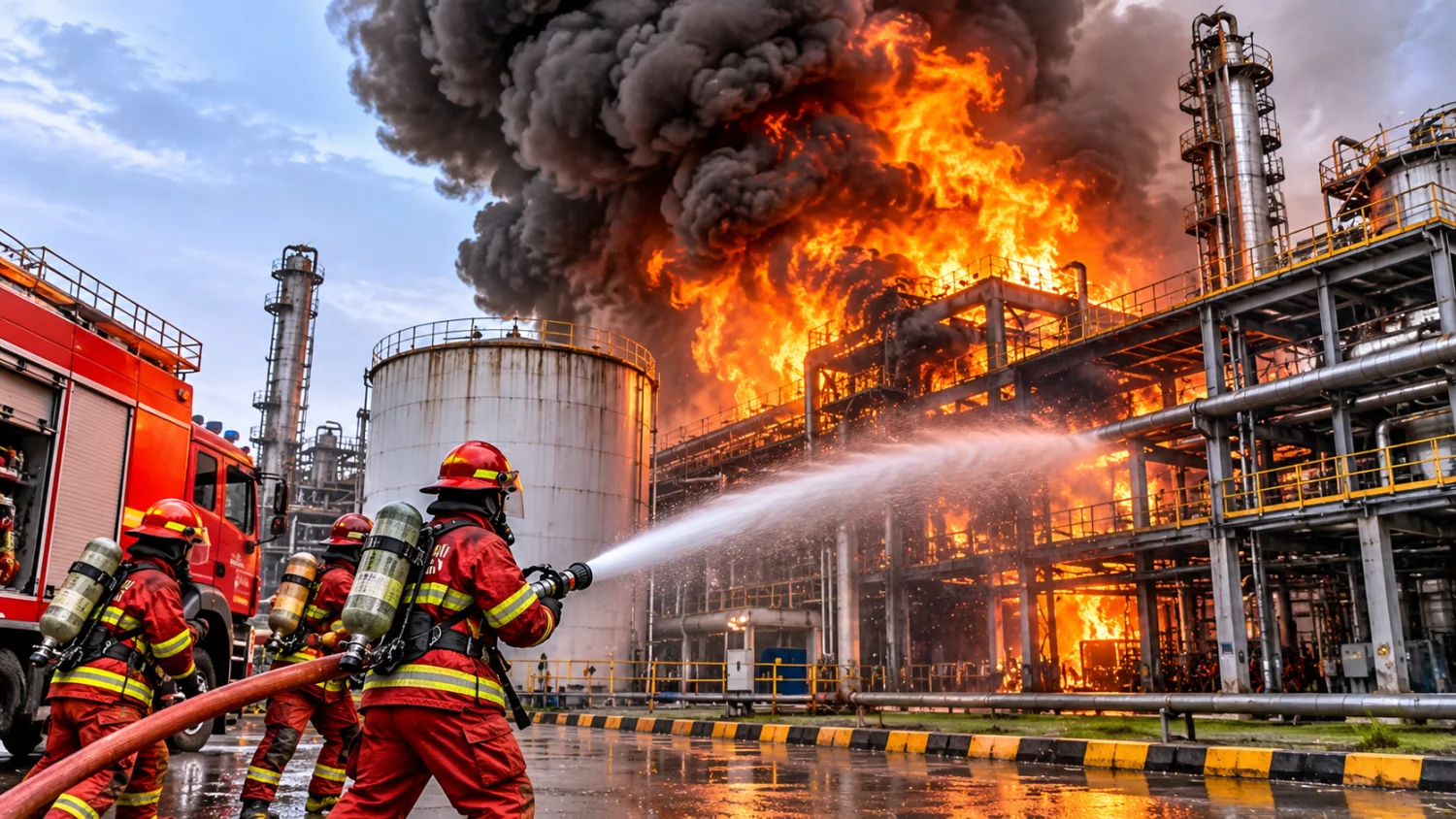
Industrial fires typically occur in factories, warehouses, or production zones as a result of machinery malfunctions, hazardous chemicals, or operational errors.
https://portal-islam.com/uploads/images/202611/image_750x_6b010e14afd4a.webp
Contributing Factors
• Machinery breakdowns.
• Improper storage of flammable materials.
• Faulty electrical installations.
• Inadequate workplace safety systems.
Causes of Fires in Indonesia
Human Negligence
Human negligence stands as the primary cause of fires in Indonesia. Examples include:
• Discarding cigarette butts carelessly.
• Burning trash without supervision.
• Clearing land using fire.
• Forgetting to turn off the stove.
Electrical Installation Faults
Damaged wiring, non-standard installations, or excessive power consumption can trigger short circuits and spark fires.
Natural Factors
Hot weather, prolonged dry seasons, and lightning strikes can also ignite fires, especially in forests and dry terrain.
Impact of Fires
Impact on Communities
Fires can result in:
• Loss of homes and shelter.
• Injuries and loss of life.
• Disruption of economic activities.
• Destruction of public facilities.
Impact on the Environment
Fires also exert heavy tolls on the environment, such as:
• Air pollution from smoke.
• Destruction of ecosystems.
• Loss of biodiversity.
• Increased carbon emissions.
How to Prevent Fires
Inspect Electrical Installations
Ensure all electrical setups meet safety standards and undergo regular inspections.
Use Stoves Safely
• Do not leave the stove unattended while cooking.
• Check gas hoses and regulators routinely.
• Turn off the stove after use.
Avoid Burning Trash Carelessly
Trash burning can cause flames to spread to surrounding areas, particularly during hot and windy weather.
Keep Fire Extinguishers Handy
Having a lightweight fire extinguisher (APAR) at home or in your workplace helps put out small fires before they grow.
Preparedness Education
All family members or workers should understand evacuation procedures and know how to operate fire extinguishers.
Steps to Take During a Fire
1. Stay Calm
Avoid panicking so you can make quick and accurate decisions.
2. Contact the Fire Department
Report the incident immediately to the local fire department so that emergency response can begin as swiftly as possible.
3. Evacuate to a Safe Place
Leave the location immediately via evacuation routes and assist vulnerable groups such as children, the elderly, and individuals with disabilities.
FAQ (Frequently Asked Questions)
What is the primary cause of fires in Indonesia?
The leading causes of fires in Indonesia are human negligence, electrical short circuits, unsafe use of fire, and land burning during the dry season.
How can house fires be prevented?
Preventive measures for house fires include checking electrical installations, using stoves properly, avoiding careless trash burning, and keeping a fire extinguisher on hand.
Why do forest fires frequently happen during the dry season?
Because vegetation becomes extremely dry, making it easier for fires to spark and spread rapidly, especially when triggered by human activities.
Conclusion
Fires in Indonesia remain a serious threat that can occur at any moment. Whether residential, industrial, or forest fires, they carry profound impacts on public safety, the environment, and the economy. By raising awareness, enforcing safety standards, and practicing early prevention, the risk of fire can be minimized.