Indonesia Passes Asset Forfeiture Law to Fight Corruption
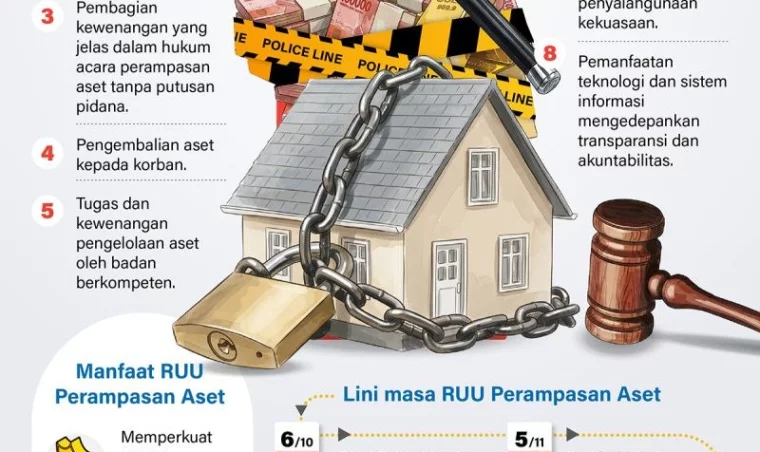
Indonesia's House of Representatives officially passes the Asset Forfeiture Bill into law to strengthen the fight against corruption and major crimes.
 Portal Islam



This article was first published in Indonesian. Baca versi Bahasa Indonesia →
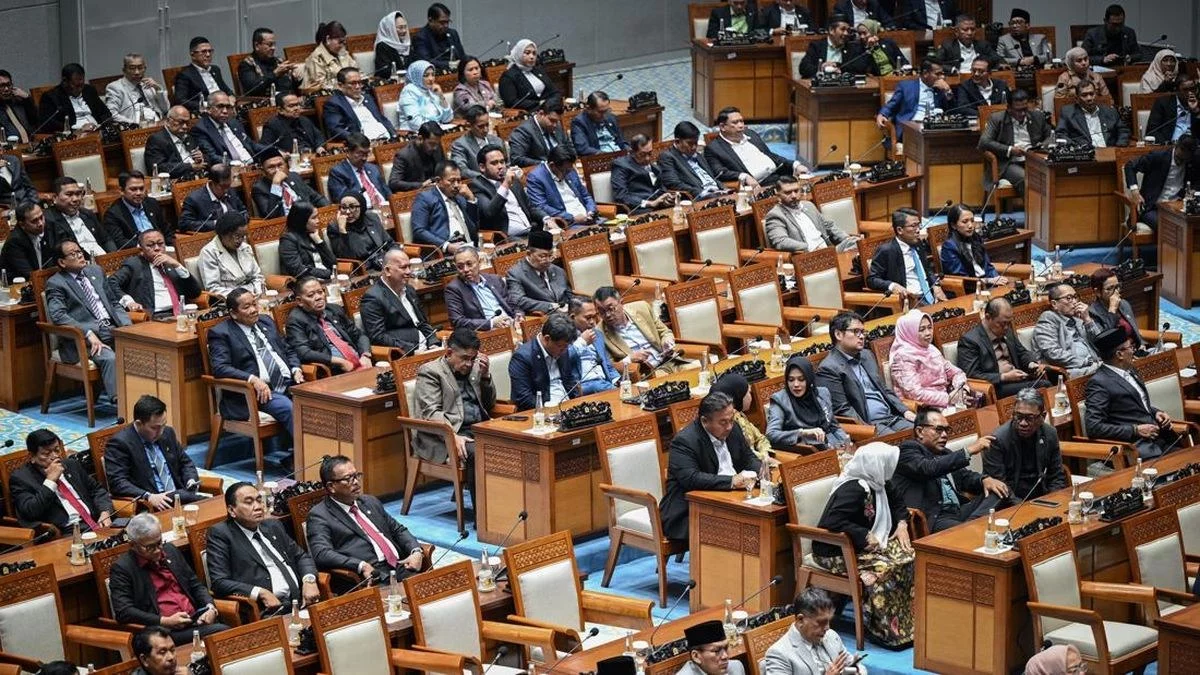
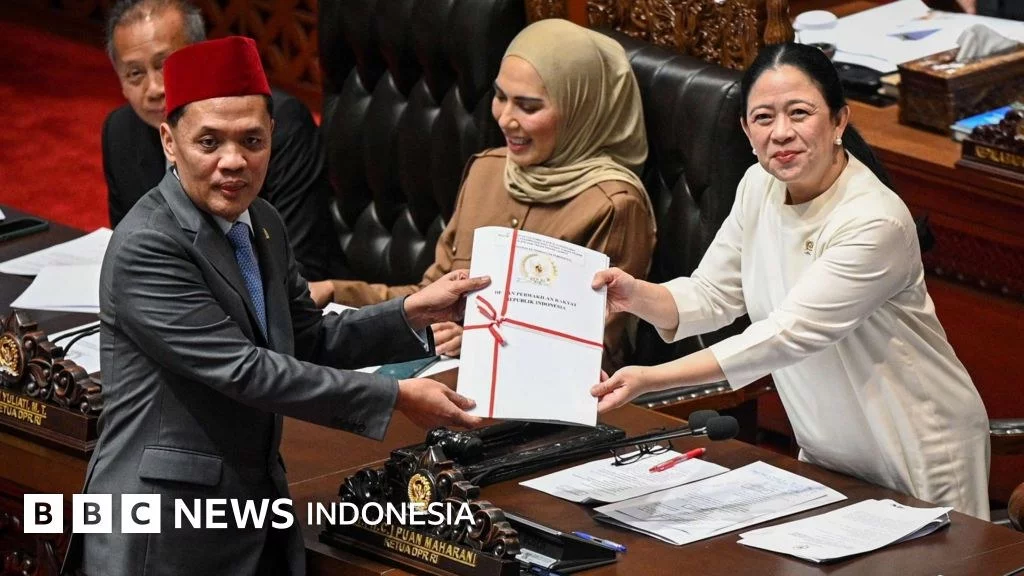
The People's Consultative Council of the Republic of Indonesia—DPR RI (Indonesia's House of Parliament)—officially passed the Asset Forfeiture Bill regarding Corruption and Other Criminal Offenses into law during its 13th Plenary Session of Session Period II for 2026–2027 on Thursday, November 19, 2026, at WIB (UTC+7). According to reports from CNN Indonesia and BBC News Indonesia, the plenary session was led directly by DPR Speaker Puan Maharani and attended by hundreds of lawmakers from various parliamentary factions.
The enactment of the Asset Forfeiture Law has drawn widespread attention from the public and legal circles, given that the legislation underwent a lengthy parliamentary deliberation process marked by various dynamics and public aspirations, including insights on building productive assets, which often serve as a focus in maintaining clean and lawful wealth management.
Background and Reasons for Accelerated Passage
According to reports from Republika and BBC News Indonesia, DPR Speaker Puan Maharani explained that the acceleration of the Asset Forfeiture Bill's passage was not a rushed move by the legislature. Puan emphasized that the bill had been deliberated for 18 years and received expedited attention following student protests and civil society demonstrations in August 2026 demanding its prompt implementation.
Meanwhile, KPK Deputy Chairman Johanis Tanak, as cited by Republika, stated that the Corruption Eradication Commission—KPK (Indonesia's anti-corruption agency)—is fully prepared to implement the new regulation. The KPK also noted that parties objecting to the law's contents may pursue constitutional avenues by filing a material or formal judicial review with the Constitutional Court—MK (the Indonesian Constitutional Court).
Provisions and Scope of Criminal Offenses
Based on reports by CNN Indonesia, Articles 3 and 4 of the Asset Forfeiture Law stipulate that asset seizure can be carried out under two primary conditions: based on a court ruling that has obtained permanent legal force (conviction-based forfeiture) or without a criminal conviction (non-conviction-based forfeiture) against the perpetrator.
In addition to corruption, six other categories of criminal offenses are subject to asset forfeiture:
- Narcotics and psychotropic substance offenses
- Terrorism and terrorist financing
- Human smuggling
- Smuggling of weapons, ammunition, and hazardous materials
- Human trafficking
- Embezzlement utilizing information technology and/or having a broad economic impact on the public
Responses and Critical Observations from Various Parties
On the other hand, the passage of this law has not been without critical feedback. Drawing from BBC News Indonesia reports, the Indonesian Legal Aid Foundation—YLBHI (an Indonesian legal aid organization)—expressed concern that the draft law contains serious issues regarding procedural law, human rights protections, and the potential for abuse of authority by law enforcement if not balanced with robust oversight.
Addressing these concerns, House Commission III Chairman Habiburokhman claimed that parliament has sought to safeguard the law to prevent it from being misused as an instrument of power or extortion by law enforcement officials. Deputy Minister of Law Eddward Sharief Omar Hiariej (Eddy Hiariej) added that the public holds high expectations that all stages of asset forfeiture will be carried out fairly and accountably.
Islamic Perspective on Unlawful Wealth
In Islam, safeguarding wealth from lawful sources and preventing all forms of illicit wealth acquisition are core principles for upholding justice within society. Islam strictly prohibits corruption, fraud, and all forms of deceit that harm the broader public.
وَلَا تَأْكُلُوْٓا اَمْوَالَكُمْ بَيْنَكُمْ بِالْبَاطِلِ وَتُدْلُوْا بِهَآ اِلَى الْحُكَّامِ لِتَأْكُلُوْا فَرِيْقًا مِّنْ اَمْوَالِ النَّاسِ بِالْاِثْمِ وَاَنْتُمْ تَعْلَمُوْنَ ࣖ ﴿١٨٨﴾
And do not consume one another's wealth unjustly or send it [in bribery] to the rulers in order that [they might aid] you [to] consume a portion of the wealth of the people in sin, while you know [it is unlawful].
Qur'an, Surah Al-Baqara [2]: 188 (Sahih International)
May every regulation and law enforcement effort implemented in this nation continually bring benefit, uphold true justice, and protect the rights of the wider community without discrimination.
Sources
- Republika: KPK Responds to Asset Forfeiture Law Passage: No Choice But to Implement It
- CNN Indonesia: 6 Types of Crimes Beyond Corruption Regulated Under Asset Forfeiture Law
- BBC News Indonesia: DPR Passes Asset Forfeiture Bill Into Law – 'Must Be Strong Against Corruption, Not Amplify Arbitrary Apparatus Power'