First-Time Home Buyer Guide: Tips for Finding Your Dream Home
Discover essential tips for first-time home buyers. Learn how to budget, choose a location, inspect properties, and navigate mortgages safely.
 nwahdaaa24




This article was first published in Indonesian. Baca versi Bahasa Indonesia →
Buying your first home is a dream shared by many. Owning a house not only provides the comfort of a permanent living space, but it is also a vital step toward building a better future.
However, for beginners, the home-buying process can often feel overwhelming—ranging from setting a budget and choosing a location to finding the right property and understanding legal documents.
Without proper preparation, purchasing a home can become a rather risky financial decision.
Therefore, it is essential to understand various first-time home buyer tips to ensure the purchase goes smoothly, securely, and suits your needs.
Through this article, you will learn a complete guide before deciding to purchase your first home.
1. Determine Your Needs and Budget Before Buying a Home

The first step before buying a home is to determine your needs and financial capacity. Do not simply follow your desires; carefully consider your current and future financial standing.
A. Determine the type of home you need
Choose a house based on your needs and those of your family. Several factors require attention, including:
• The number of bedrooms.
• Building and land area.
• The number of bathrooms.
• Parking space availability.
• Surrounding neighborhood facilities.
B. Match the house price to your income
Make sure the price of the house matches your financial capacity. If you plan to use a mortgage (KPR, or Kredit Pemilikan Rumah), calculate your ability to pay the monthly installments.
Do not forget additional costs
Aside from the house price, prepare funds for:
• Down payment.
• Bank administration fees.
• Notary and document processing fees.
• Purchase taxes.
• Renovation or repair costs.
2. Choose a Strategic Home Location

Location is one of the most crucial factors when buying a house. A strategically located home typically offers convenient access and holds good resale value potential.
A. Close to public facilities
Choose a location close to essential facilities such as:
• Schools and universities.
• Hospitals and clinics.
• Markets and shopping centers.
• Places of worship.
• Public transportation.
B. Pay attention to transportation access
Make sure the house location is easily accessible by private vehicles and public transport. This will help save daily travel time and costs.
Inspect the neighborhood conditions
Before buying, observe the neighborhood safety, road conditions, drainage system, and flood risks around the house.
3. Inspect the Condition of the Building
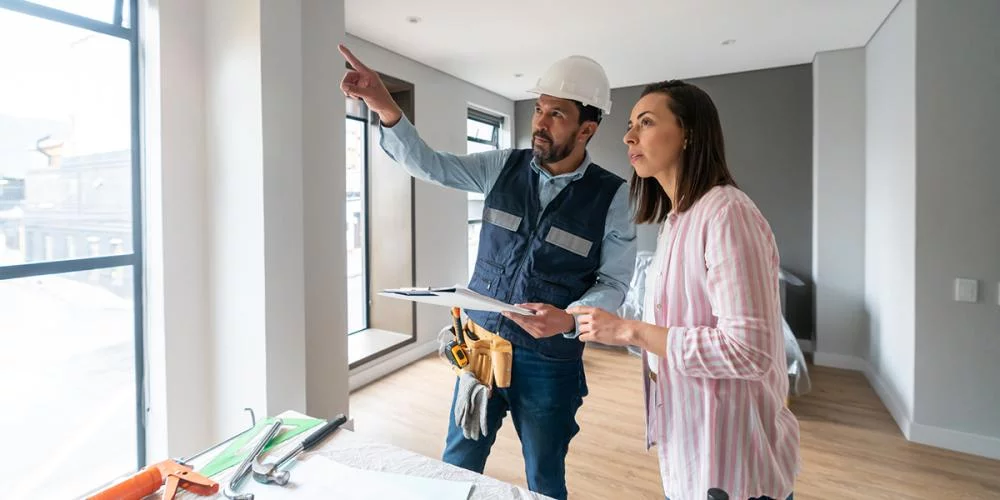
Do not rush into buying a house simply because its design looks attractive. Make sure the building's condition is truly habitable.
A. Inspect the building structure
Pay attention to the condition of the walls, floors, roof, ceiling, doors, and windows. Ensure there are no serious damages.
B. Check electrical and water installations
Make sure the electrical installation is safe, water plumbing functions properly, and there are no pipe leaks.
C. Notice air circulation
A good house has adequate natural ventilation and lighting, making it feel comfortable and healthy to live in.
Use professional assistance
If you do not understand building construction conditions, you can seek help from a building expert or property inspection service before making a transaction.
4. Verify Legality and Property Documents

Legality is extremely important in the home-buying process. Avoid purchasing a house that has legal issues or incomplete documents.
A. Check land certificates
Several documents that need to be examined include:
• Land and building certificates.
• Building Approval (PBG, or Persetujuan Bangunan Gedung).
• Land and Building Tax (PBB, or Pajak Bumi dan Bangunan) payment receipts.
• Seller identity.
• Buying and selling transaction documents.
C. Ensure there are no disputes
Make sure the property is not currently under dispute, has no ownership issues, and is not pledged without legitimate explanation.
Consult a notary or PPAT
Before signing the transaction, seek help from a notary or PPAT (Pejabat Pembuat Akta Tanah, a Land Deed Official) to examine the documents and ensure the buying and selling process is carried out in accordance with legal provisions.
5. Compare Multiple House Options

Do not immediately buy the first house you find. It is best to compare several property options to find the best home within your budget.
A. Compare house prices
Gather information on house prices across several locations. Compare prices based on land area, building area, facilities, and house condition.
B. Compare housing facilities
Pay attention to available facilities, such as 24-hour security, parks, parking areas, children's playgrounds, and road access.
Choose the home with the best value
The best house is not always the most expensive or the cheapest, but rather the one that provides quality, comfort, and a price that fits your needs.
6. Understand the Mortgage Payment System

For individuals who do not yet have sufficient funds to buy a house in cash, a home mortgage (KPR) can serve as an alternative financing option.
A. Recognize mortgage types
Generally, there are several types of housing financing, including:
• Subsidized mortgage, for communities meeting government program requirements.
• Non-subsidized mortgage, which is home financing through a bank under each bank's terms.
B. Pay attention to interest rates and tenors
Before applying for a mortgage, understand the interest rates, installment periods, administration fees, and conditions regarding interest adjustments after the fixed-rate period ends.
C. Calculate your installment payment capacity
Do not take on installments that are so large they disrupt your daily necessities. Set aside funds for family needs, savings, and an emergency fund.
Compare bank offers
Request installment simulations from several banks so you can choose the financing option that best suits your financial situation.
7. Avoid Hasty Decision-Making
Buying a home is a major decision requiring careful consideration. Do not be easily tempted by promotions or cheap price offers without conducting prior inspections.
A. Conduct direct surveys
Visit the house you wish to buy to observe the actual condition of the building and its surrounding environment.
B. Check developer reputation
If buying a home from a developer, look into their track record on previous projects, company legality, and construction quality.
C. Read agreements thoroughly
Make sure you understand the contents of the agreement, payment schedules, hand-over provisions, and consequences in the event of delays.
Beware of unreasonable offers
Avoid handing over money to parties whose identity and authority are unclear. Ensure every payment has an official receipt.
8. Additional Tips to Avoid Mistakes When Buying Your First Home
Here are several additional tips that can help you before making a house purchase transaction:
1. Set up a dedicated savings fund for buying a house.
2. Avoid using all your savings as a down payment.
3. Gather information on property prices around the location.
4. Ensure the neighborhood is safe and comfortable.
5. Inspect the condition of the house during both day and night.
6. Use professional services if needed.
7. Ensure all documents have been checked prior to the transaction.
Conclusion
Buying your first home requires thorough preparation, starting from setting a budget, choosing a strategic location, inspecting the building's condition, to verifying the legality of property documents.
For beginners, do not focus solely on cheap house prices. Also consider building quality, neighborhood facilities, transportation access, and long-term installment payment capabilities.
By following the first-time home buyer tips outlined above, you can make a wiser decision and minimize the risks of making mistakes when purchasing property.
Remember, a good house is not merely a place to live, but a place to build comfort and a future together with your family.