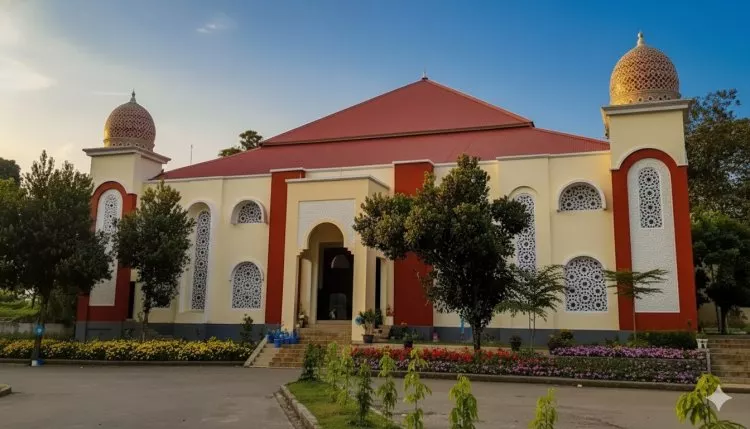
Masjid Anas Bin Malik: Center of Worship and Learning at STIBA
Explore how Masjid Anas bin Malik at STIBA Makassar serves as a vibrant center for worship, Islamic education, and spiritual growth for students.
 Portal Islam



This article was first published in Indonesian. Baca versi Bahasa Indonesia →
A mosque is a sacred sanctuary for Muslims, functioning as a hub for worship, education, and community life. Throughout Islamic history, mosques have been far more than places for daily prayer; they stand as enduring symbols of civilization, Islamic propagation (dawah), and unity among the Muslim community (ummah).
The Heart of Islamic Civilization
Mosques have always been central to Islamic civic life. The primary model is the Prophet's Mosque (Masjid al-Nabawi) in Medina during the era of the Prophet Muhammad ﷺ, which served as the center for governance, judicial affairs, education, and the coordination of dawah efforts.
Across the historical Muslim world, a mosque was often the very first structure built when establishing a new town or settlement. This highlights its essential role as the anchor of community life and civilizational progress.
Spiritual and Academic Hub at STIBA Makassar
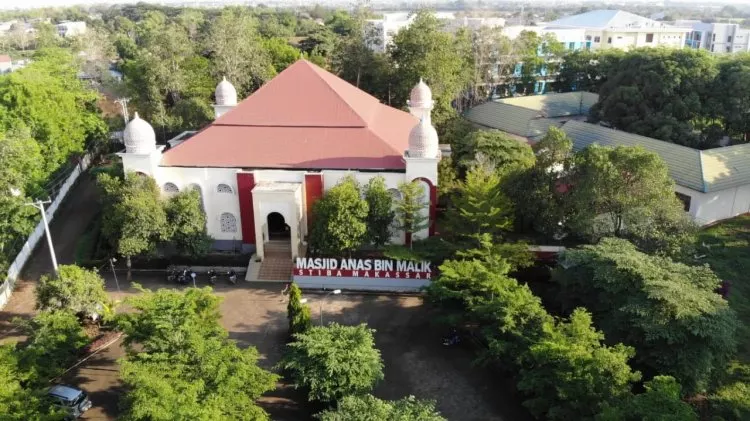
Continuing this noble tradition, Masjid Anas bin Malik serves as the spiritual and educational center at IAI STIBA Makassar, an Islamic higher education institute in South Sulawesi, Indonesia. The mosque represents the institution's dedication to fostering an orderly, vibrant academic environment rooted in Islamic values.
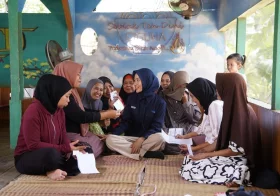
Beyond serving daily congregational prayers, Masjid Anas bin Malik is the primary venue for scholarly programs and spiritual development at STIBA Makassar. As a campus dedicated to dawah, the mosque plays a vital role in maintaining scholarly traditions and strengthening Islamic character among students. Regular Islamic study circles (ta'lim) are a core feature of campus life, structured to ensure every student receives comprehensive guidance in sacred knowledge.