

Protecting Mosque Wooden Furnishings and Qur'ans From Termites
Learn how to protect mosque wooden furniture, pulpits, and Qur'ans from destructive subterranean termites through early detection and proper pest control.
 Portal Islam



This article was first published in Indonesian. Baca versi Bahasa Indonesia →
Mosque maintenance often focuses primarily on elements easily noticed by the congregation: the carpets, the cleanliness of the ablution areas, the sound systems, and wall paint. Wooden fixtures are rarely scheduled for inspections, even though most mosque furnishings are made of wood and stand in the exact same spot for years.
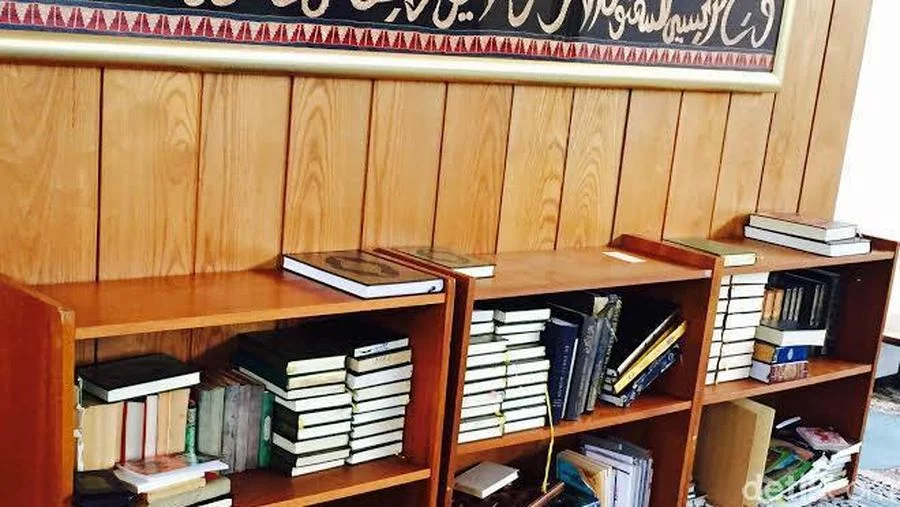
Four areas are particularly vulnerable: Qur'an bookshelves attached to walls, storage cabinets for prayer garments like mukena and sarongs, pulpits with legs resting directly on the floor, and shoe racks situated in frequently damp areas. All of these are close to the ground, rarely moved, and partially located in zones with high humidity.
Paper Disappears Faster Than Wood
Subterranean termites search for cellulose, and paper is pure cellulose, making it much easier to consume than hardwood. Consequently, copies of the Qur'an and study books on the lowest shelves are often damaged long before the shelves themselves. Because the bottom rows are seldom accessed, the damage is usually only discovered when the covers are lifted.
Signs mosque caretakers should look out for include: fine, light-brown wood dust on the floor near shelf legs, thin, matchstick-sized mud tubes creeping up the walls behind cabinets, a hollow sound when tapping the legs of a pulpit, and the spines of books on the bottom rows beginning to show holes.
Ablution Areas Worsen the Problem
Ablution facilities and their drainage systems mean the soil surrounding the building rarely dries out completely. Long-lasting humidity is the primary condition subterranean termites seek to survive while building pathways into a structure. Therefore, the side of the mosque adjacent to the ablution area is usually the first to experience problems.
Targeting the Colony Directly
Replacing hollow shelves or pulpits without dealing with the nest merely shifts the problem to another part of the building. Subterranean termite colonies reside underground and will simply establish new paths. Treatment targeting the source involves chemical soil injection, creating a chemical barrier in the ground surrounding and beneath the building to sever the termites' upward routes. For buildings undergoing renovation or expansion, piping systems are installed during construction so future treatments do not require breaking up the floors.
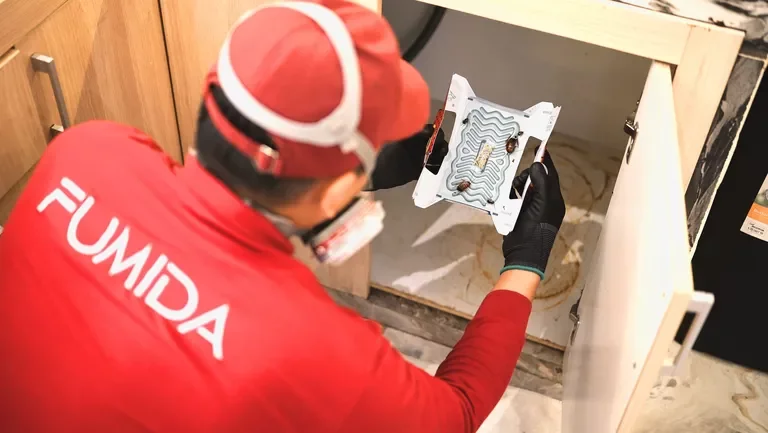
The process begins with a survey. Technicians visit the site to confirm whether termites are indeed the culprits, map out the attack points, and measure the building's area to calculate the necessary treatment. Mosque administrators or committees wishing to inspect their building conditions can contact termite control services to schedule a survey.
Routine preventive measures that cost nothing include: leaving a space between shelves and walls, lifting cardboard boxes off storage floors, fixing leaks around ablution areas, and adding wooden furniture inspections to the bi-annual community cleanup agenda.