10 Daily Deeds That Bring Barakah into Your Life
Discover 10 simple daily practices rooted in the Qur'an and Sunnah that bring barakah, tranquility, and divine blessings into your everyday life.
 Portal Islam




This article was first published in Indonesian. Baca versi Bahasa Indonesia →
In our daily lives, there are numerous simple yet meaningful deeds we can perform to gain barakah (divine blessing) from Allah. Every Muslim seeks barakah in their life, for with it comes true peace, spiritual contentment, and goodness that permeates every aspect of existence. Here are ten daily habits grounded in the Qur'an and Hadith that can bring immense blessings into your daily routine.
1. Performing Salah on Time
Salah (the daily prayer) is the foundational pillar of Islam. Establishing your prayers punctually at their designated times is one of the most effective keys to inviting barakah into your day. Allah says in the Qur'an:
إِنَّ ٱلصَّلَوٰةَ كَانَتۡ عَلَى ٱلۡمُؤۡمِنِينَ كِتَـٰبٗا مَّوۡقُوتٗا
“Indeed, prayer has been decreed upon the believers a decree of specified times.” (Surah An-Nisa, 4:103)
The Prophet Muhammad ﷺ emphasized the importance of timely prayer when he was asked about the best of deeds:
“The most beloved deed to Allah is performing prayer at its proper time.”
Narrated by al-Bukhari
Prioritizing your prayer schedule reflects devotion and discipline, establishing a rhythm of spiritual focus that brings divine order to your daily life.
2. Reciting the Qur'an Daily
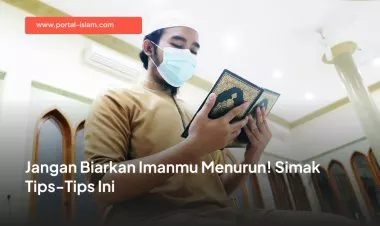
Allocating time each day to recite the Qur'an brings profound tranquility and enlightenment. The Qur'an serves as ultimate guidance for humanity, and reciting its verses is among the most elevated forms of remembering Allah. Allah states:
إِنَّ هَـٰذَا ٱلۡقُرۡءَانَ يَہۡدِي لِلَّتِي هِيَ أَقۡوَمُ
“Indeed, this Qur'an guides to that which is most suitable.” (Surah Al-Isra, 17:9)
By engaging with the Qur'an daily, even if only a few verses, we constantly ground ourselves in divine wisdom and keep our hearts aligned with truth.
3. Engaging in Constant Dhikr
Remembrance of Allah (dhikr) can be practiced anytime, anywhere—while commuting, working, or relaxing. It is a seamless way to draw closer to the Almighty and keep the heart at peace. Allah says:
فَٱذۡكُرُونِيٓ أَذۡكُرۡكُمۡ
“So remember Me; I will remember you.” (Surah Al-Baqarah, 2:152)
Maintaining dhikr throughout the day ensures that Allah remains at the center of our thoughts, making difficult tasks lighter and bringing blessings to our efforts.
4. Giving Sadaqah (Charity)
Giving voluntary charity (sadaqah) unlocks the gates of provision and spiritual growth. Far from diminishing your wealth, charity increases its purity and barakah. The Prophet ﷺ reassured us:
“Charity does not decrease wealth.”
Narrated by Muslim
Allah describes the multiplication of reward for giving in His cause:
مَّثَلُ ٱلَّذِينَ يُنفِقُونَ أَمۡوَٰلَهُمۡ فِي سَبِيلِ ٱللَّهِ كَمَثَلِ حَبَّةٍ أَنبَتَتۡ سَبۡعَ سَنَابِلَ فِي كُلِّ سُنبُلَةٍ مِّاْئَةُ حَبَّةٍ
“The example of those who spend their wealth in the way of Allah is like a seed of grain which grows seven spikes; in each spike is a hundred grains.” (Surah Al-Baqarah, 2:261)
Giving even a small amount regularly helps those in need while purifying our own hearts and earnings.
5. Honoring and Serving Parents
Filial piety (birr al-walidayn) holds an extraordinary position in Islamic teachings. Allah commands kindness to parents directly alongside worshiping Him:
وَبِٱلۡوَٰلِدَيۡنِ إِحۡسَـٰنًا
“And show kindness to parents.” (Surah Al-Isra, 17:23)
The Prophet ﷺ also highlighted the weight of parental satisfaction:
“The pleasure of Allah lies in the pleasure of parents, and the displeasure of Allah lies in the displeasure of parents.”
Narrated by al-Tirmidhi
Treating parents with gentleness, listening to them, and seeking their supplications is one of the fastest ways to invite barakah into your health, career, and family life.
6. Maintaining Ties of Kinship
Strengthening bonds with family and relatives (silaturahim) expands your provisions and fills your life with blessings. The Prophet ﷺ stated:
“Whoever would like their provision to be expanded and their lifespan extended, let them maintain ties of kinship.”
Narrated by al-Bukhari
Checking in on relatives, offering support during hard times, and maintaining open communication fosters harmony and brings divine favor into your household.
7. Making Frequent Istighfar
Seeking Allah's forgiveness (istighfar) daily clears sins and opens closed doors. Allah reveals in Surah Nuh:
فَقُلْتُ اسْتَغْفِرُوا رَبَّكُمْ إِنَّهُ كَانَ غَفَّارًا
“Maka aku katakan kepada mereka, 'Mohonlah ampun kepada Tuhanmu, sesungguhnya Dia adalah Maha Pengampun'.” (Surah Nuh, 71:10)
The Prophet ﷺ explained the worldly and spiritual benefits of persistent istighfar:
“Whoever constantly seeks forgiveness, Allah will appoint for them a way out of every distress, relief from every anxiety, and provide for them from sources they could never imagine.”
Narrated by Abu Dawud
8. Praying Salatal-Dhuha
The voluntary forenoon prayer (Salah al-Dhuha) is a powerful sunnah associated with abundant provision and gratitude. The Prophet ﷺ said:
“In every human body, there are three hundred and sixty joints, for each of which charity is due. Performing two rak'ahs of the Dhuha prayer suffices for all of them.”
Narrated by Muslim
Taking a brief pause during the morning routine to offer two or more rak'ahs fulfills this daily obligation of gratitude and sets a blessed tone for the day's work.
9. Reciting the Dua for Leaving Home
Invoking Allah's protection before stepping out of your house ensures guidance and divine security throughout your outings. The Prophet ﷺ taught us to say:
“Bismillah, tawakkaltu 'alallah, la hawla wa la quwwata illa billah”
(“In the name of Allah; I place my trust in Allah; there is no power nor might except with Allah.”)
Uttering this simple supplication invites protection from harm, misguidance, and negative influences while you are away from home.
10. Offering the Night Prayer (Tahajjud)
The voluntary night prayer (Tahajjud) is performed during the quiet hours before dawn when prayers are readily answered. Allah praises those who wake for night worship:
وَمِنَ ٱلَّيۡلِ فَتَهَجَّدۡ بِهِۦ نَافِلَةٗ لَّكَ عَسَىٰٓ أَن يَبۡعَثَكَ رَبُّكَ مَقَامٗا مَّحۡمُودٗا
“And from part of the night, pray with it as an additional worship for you; it may be that your Lord will raise you to a praised station.” (Surah Al-Isra, 17:79)
The Prophet ﷺ also encouraged the ummah to practice night prayer:
“O people, spread greetings of peace, feed others, maintain ties of kinship, and pray at night while people are asleep, and you will enter Paradise in peace.”
Narrated by al-Tirmidhi
Conclusion
Incorporating these ten practical deeds into your routine does not require overwhelming effort, but it does require consistency (istiqamah) and sincere intention. By keeping up with timely prayers, Qur'an recitation, dhikr, charity, filial respect, kin relationships, istighfar, Dhuha prayer, daily du'as, and Tahajjud, your life will naturally be enriched with peace and divine barakah. May Allah grant us all the strength to practice these habits consistently and purely for His sake.