WFP Warns Gaza Aid Is 'A Drop in the Ocean' Amid Famine
The World Food Programme warns aid entering Gaza is 'a drop in the ocean,' as 500,000 face famine while global food insecurity reaches critical levels.
 Portal Islam



This article was first published in Indonesian. Baca versi Bahasa Indonesia →
The World Food Programme (WFP) has warned that humanitarian aid entering Gaza remains drastically insufficient, just days after the United Nations officially declared famine in the Palestinian territory.
Carl Skau, WFP's Chief Operating Officer, stated that the amount of aid permitted by Israel into Gaza averaged only 100 trucks per day over the past two weeks. That figure is vastly inadequate to meet the needs of 2.1 million residents affected by nearly two years of war.
“That is like a drop in the ocean when we are talking about helping millions of people,” Skau told AFP on Tuesday (27/8/2025).
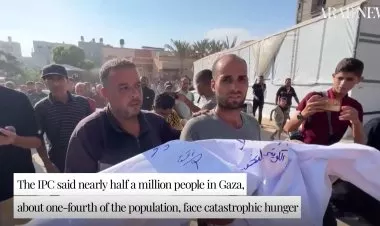
According to the UN-backed Integrated Food Security Phase Classification (IPC), around 500,000 people in Gaza are currently affected by famine. The condition is marked by extreme food shortages in over 20 percent of households, acute malnutrition among 30 percent of children under five, and high mortality rates.
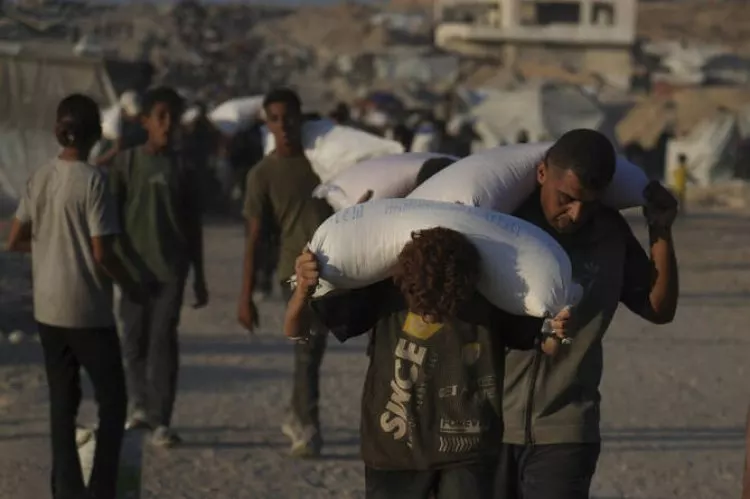
Skau described an increasingly desperate situation on the ground. “The level of desperation is so high that people are grabbing food off aid trucks. We are worried that aid is not reaching the most vulnerable, namely women and children in camps,” he said.
He stressed that without a significant increase in aid, Gaza faces the threat of a full-scale famine disaster.
Gaza, however, is not the only global food crisis. The WFP notes that more than 320 million people worldwide now face acute food insecurity—nearly triple the figure from five years ago. Meanwhile, WFP funding has plummeted by 40 percent compared to last year.
Skau pointed to Sudan as the largest hunger crisis since Ethiopia in the late 1980s, with 25 million people affected, including 10 million in a state of famine. South Sudan is also at risk of following with a potential third famine confirmation.
“We face immense needs, but the available resources are almost non-existent,” Skau said.
He added that conflict, climate change, and global economic shocks continue to worsen conditions. Consequently, the WFP is reaching out to emerging economies such as India, Indonesia, and Brazil to help address the growing global food crisis.