Why Halal Has Become a Global Standard Beyond Just Muslims
Discover how halal has evolved from a religious requirement into a global economic quality standard embraced by non-Muslim nations and major brands.
 Portal Islam



This article was first published in Indonesian. Baca versi Bahasa Indonesia →
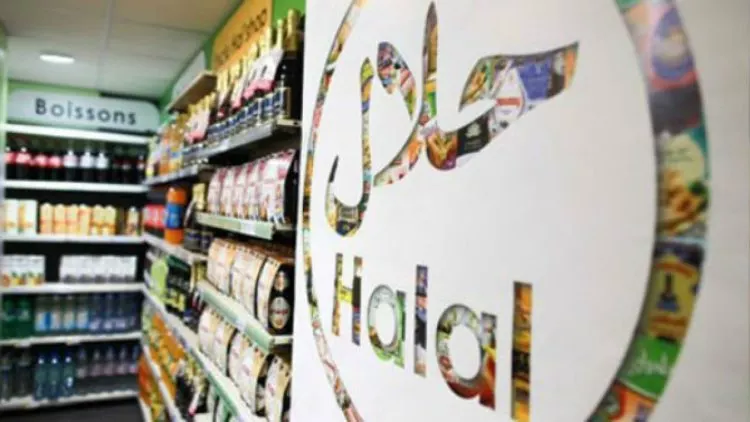
The world is moving faster than many realize. The State of the Global Islamic Economy report by DinarStandard notes that global Muslim consumer spending reaches hundreds of billions of dollars annually, and this figure continues to rise. The halal label, once considered an internal matter solely for Muslims, has now become part of global economic strategy. Developed countries already view halal as a standard of quality, not merely a religious symbol.
Non-Muslim Nations Begin Chasing the Halal Market
This phenomenon is not merely speculation. The Japan Halal Association reports an increasing demand for halal certification from tourism operators leading up to 2030. The Korea Muslim Federation Halal Committee shows a surge in certification applications for cosmetics and skincare products. Australia, through the Halal Food Authority (HFA), is expanding its exports of halal meat to the Middle East and Southeast Asia.
Data from the UNWTO also records significant growth in Muslim tourist arrivals, prompting non-Muslim nations to strengthen their halal tourism facilities. They are not chasing the label—they are chasing the market.
Halal Positioned as “Quality Assurance”
The reason why many non-Muslim countries are pursuing halal certification becomes clearer when looking at the standards that must be met. A study by the Malaysia Halal Industry Development Corporation (HDC) and Global Halal Market Insights indicates that halal is perceived as a quality standard because:
- Production processes must be hygienic
- Supply chains must be transparent
- Audits are conducted regularly
- Raw materials must have clear origins
Amid rising cases of global food safety noted by the FAO, the halal logo serves as an additional guarantee. Many non-Muslim consumers have begun to regard halal as a marker of premium quality.
Indonesia’s Market Is Large, But Not Aggressive
The Pew Research Center places Indonesia as the country with the largest Muslim population in the world, and Bank Indonesia reports on Sharia economics show the giant potential of the domestic halal market. However, the contribution of industrial players to halal exports remains low compared to countries like Malaysia, Thailand, or even South Korea.
Many micro, small, and medium enterprises (MSMEs) view halal certification—managed by BPJPH (Indonesia's Halal Product Assurance Organizing Agency)—as merely an administrative obligation. As a result, other countries seize the momentum and move faster in the global market.
Technology Begins Transforming the Halal Industry
The latest trends in the 2023/24 Global Islamic Economy report show an acceleration of technology integration within the halal industry:
- Blockchain to track the origins of ingredients
- Digital halal certification
- Consumer apps to check halal status
- Real-time supply chain tracking
Initiatives like halal traceability developed in the United Arab Emirates and Malaysia prove that digital innovation strengthens consumer trust while raising industry standards.
Muslim Consumer Loyalty Is Very High
DinarStandard highlights an important fact: Muslim consumers tend to be extremely loyal to the brands they trust. Major corporations such as Nestlé, Mondelez, and South Korean cosmetic producers leverage this data and invest heavily to maintain their halal status. They know that recognition from Muslim consumers means a long-term market.
Time for Indonesia to Stop Being a Spectator
With data from various global institutions backing it up, one thing is clear: the halal industry is no longer a small space exclusively for Muslims. It has become a global economic stage. Indonesia holds the greatest opportunity, but that opportunity does not automatically transform into a dominant position. The world has already made halal a global standard.
Now the question remains: is Indonesia ready to help shape that standard, or will it remain content as a mere spectator?