Health Benefits of Dhikr: Lessons From Qur'an and Sunnah
Discover the physical and mental health benefits of dhikr (remembrance of Allah), supported by the Qur'an, Hadith, and modern scientific insights.
 Portal Islam



This article was first published in Indonesian. Baca versi Bahasa Indonesia →
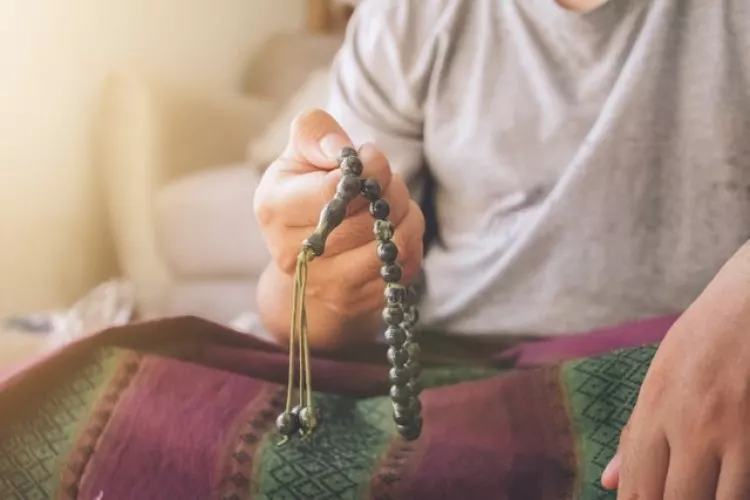
Dhikr (the remembrance of Allah) is not only an act of worship that draws a believer closer to the Creator, but it also carries profound physical and mental health benefits. In today's fast-paced, high-stress world, dhikr serves as a powerful path to inner peace, emotional stability, and overall well-being.
What Is Dhikr?
Dhikr refers to the practice of remembering Allah through mentioning His names, reciting specific supplications, and repeating phrases of praise such as Subhanallah (Glory be to Allah), Alhamdulillah (Praise be to Allah), and Allahu Akbar (Allah is the Greatest). As Allah states in the Qur'an:
"... Unquestionably, by the remembrance of Allah hearts are assured."
Qur'an 13:28
Health Benefits of Dhikr
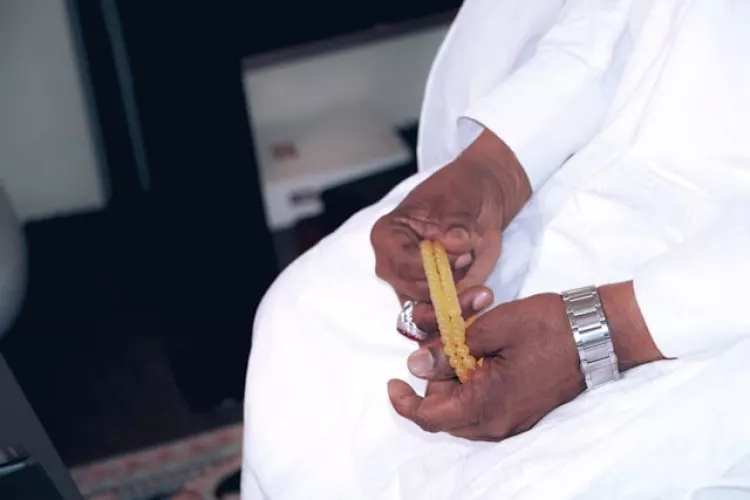
Islamic tradition and contemporary observations highlight several ways dhikr positively impacts human health:
1. Reduces Stress and Anxiety
Engaging in dhikr helps reduce stress hormones, such as cortisol, in the body. The calm, rhythmic repetition during dhikr produces a soothing effect on the mind. The Prophet Muhammad ﷺ said:
"The parable of the one who remembers his Lord and the one who does not is like that of the living and the dead."
Narrated by al-Bukhari
2. Supports Cardiovascular Health
The steady rhythm of dhikr mirrors meditative breathing practices that help slow down the heart rate, promoting better cardiovascular wellness.
3. Improves Focus and Mental Clarity
Dhikr sharpens mental focus and helps ward off intrusive anxiety. Concentrating on the names and attributes of Allah redirects the mind away from negative thoughts.
4. Maintains Balance Between Body and Soul
Islam places great emphasis on holistic well-being, encouraging Muslims to nurture both physical and spiritual health. This is reflected in the supplication taught by the Prophet:
"O Allah, I ask You for well-being in this world and the Hereafter."
Narrated by Ahmad
This supplication demonstrates that Islam teaches a balanced life where worship and personal health go hand in hand.
How to Practice Dhikr Effectively
- Choose the Right Time: Perform dhikr after daily prayers (salah) or during tranquil times of the day, such as early morning and evening.
- Seek a Calm Environment: Find a quiet space free of distractions to deepen your focus and presence of mind.
- Cultivate a Sincere Heart: Engage in dhikr with full mindfulness, reverence, and sincerity toward Allah.
Dhikr and Modern Science
Scientific research on meditation and repetitive sound patterns demonstrates positive effects on neurological function and brain health. As a fundamental Islamic devotion, dhikr calms the soul while offering benefits similar to modern meditative practices.
Conclusion
Dhikr is a vital act of worship that delivers remarkable rewards for physical and mental health. By establishing a routine of remembering Allah, believers can draw nearer to the Divine while keeping their minds at ease and their bodies in balance.
To explore further ways to enrich your daily routine, read our article on How to Attain Barakah in Daily Life.