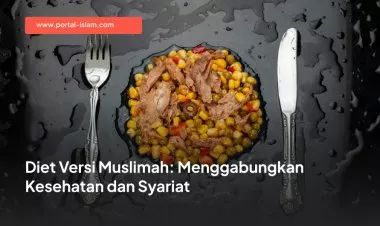
Healthy Eating in Islam: Recommended Foods and Drinks
Discover the healthy foods and drinks recommended in Islam. Learn how a balanced prophetic diet supports physical well-being and spiritual worship.
 Portal Islam



This article was first published in Indonesian. Baca versi Bahasa Indonesia →
Living a healthy life is a goal shared by many. In Islam, taking care of one's physical health is important for Muslims so they can perform their acts of worship optimally. A crucial aspect of a healthy lifestyle is maintaining a balanced diet and consuming the foods and drinks recommended in Islam. In this article, we will take a deep dive into the foods and beverages that promote health according to Islamic teachings.
1. Recommended Staple Foods
Staple foods encouraged in Islam include rice, wheat, and other grains. These foods contain complex carbohydrates that provide long-lasting energy for the body. Rice, for instance, also contains fiber, B-complex vitamins, and essential minerals such as iron and magnesium, which are vital for maintaining bodily health.
2. Fresh Fruits
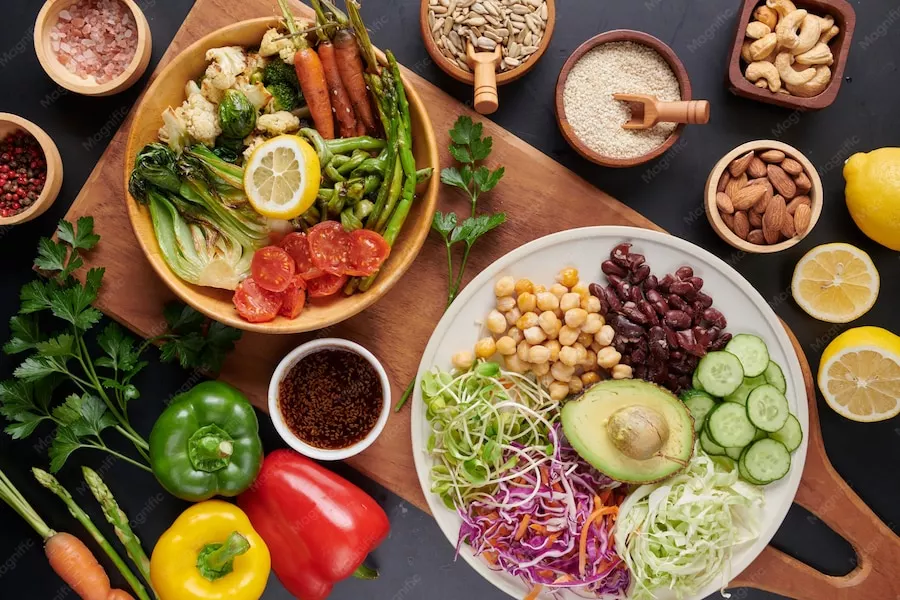
Fresh fruits are an essential source of fiber, vitamins, and antioxidants. Islam strongly encourages the consumption of fresh fruits. Fruits such as apples, oranges, bananas, and berries are rich in dietary fiber, which aids in maintaining a healthy digestive system. Furthermore, fruits contain abundant vitamins and antioxidants that can strengthen the immune system.
3. Green Vegetables
Green vegetables such as spinach, water spinach, and broccoli are rich in fiber, vitamins, and minerals. Regular consumption of green vegetables helps preserve overall bodily health. Islamic dietary guidance also incorporates green vegetables as an integral part of a healthy eating pattern.
4. Halal Meat and Plant-Based Sources
Consuming halal meat is of the utmost importance. Halal meat is processed properly and in accordance with religious rulings. In addition, plant-based foods such as legumes, seeds, and protein-rich vegetables like soybeans and tempeh serve as excellent sources of protein for the body.
5. Recommended Beverages
Beyond solid food, drinks play a vital role in maintaining bodily health. In Islam, water is the primary beverage recommended. Plain water is essential for keeping the body hydrated and ensuring optimal organ function. Additionally, drinks such as green tea and natural fruit juices can be wonderful choices to secure extra nutrients.
6. Avoiding Prohibited Foods and Drinks
Alongside recommended nourishment, Islam prohibits the consumption of certain types of food and drink. For example, alcohol, pork, and foods containing pork-derived gelatin are forbidden in Islam. Avoiding these restricted items is crucial for preserving both physical health and spiritual purity.
By following Islamic guidelines regarding recommended foods and drinks, Muslims can safeguard their health and reap various physical benefits. A balanced diet and mindful selection of food and drink will help maintain a healthy weight, boost energy levels, and prevent numerous illnesses.
Therefore, do not hesitate to adopt a healthy diet aligned with Islamic principles. Pay attention to what you eat and drink, and make sure to choose nourishment that provides the right fuel for your body. By doing so, you can lead a healthy, high-quality life.