How to Overcome Stress in Islam: Guidance From Qur'an and Sunnah
Discover effective ways to overcome stress in Islam through dhikr, salah, Qur'an recitation, tawakkal, and sunnah guidance for inner peace.
 Portal Islam




This article was first published in Indonesian. Baca versi Bahasa Indonesia →
Stress is a condition that almost everyone experiences in modern life. The demands of work, social relationships, and financial difficulties are frequently the triggers. As a complete religion, Islam provides clear guidance for dealing with stress, offering solutions that not only calm the mind but also draw one closer to Allah.
This article explores in depth how to overcome stress in Islam, supported by evidence from the Qur'an and authentic sunnah.
1. Remembering Allah (Dhikr)
Remembering Allah is the most effective way to calm the heart. Allah says:
“Verily, in the remembrance of Allah do hearts find rest.”
Qur'an, Ar-Ra'd: 28
Engaging in dhikr such as reciting tasbih, tahmid, and tahlil helps soothe the soul. The Prophet Muhammad ﷺ also taught morning and evening dhikr to maintain inner peace and protect oneself from the whispers of Satan.
2. Salah as Soul Therapy
Salah is not only an obligation but also an effective remedy for overcoming stress. The Prophet ﷺ said:
“And the coolness of my eyes was placed in salah.”
Narrated by Ahmad
During salah, a Muslim surrenders all life's burdens to Allah. The humility in prostration represents the moment when a servant is closest to their Lord.
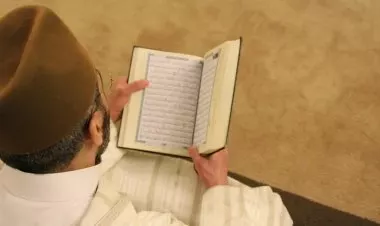
3. Reciting the Qur'an
The Qur'an is a cure for troubled hearts. Allah says:
“And We send down of the Qur'an that which is healing and mercy for the believers.”
Qur'an, Al-Isra: 82
Reading, understanding, and contemplating the verses of the Qur'an provides serenity and clear life guidance. Chapters such as Surah Al-Insyirah (Qur'an, chapter 94) are particularly relevant for overcoming stress.
4. Relying Upon Allah (Tawakkal)
One of the causes of stress is excessive worry about things that have not yet happened. Islam teaches us to always practice tawakkal, which means entrusting all matters to Allah after making our best effort.
Allah says:
“And whoever relies upon Allah - then He is sufficient for him.”
Qur'an, At-Talaq: 3
Tawakkal brings peace because we possess the firm conviction that Allah is the One who governs all affairs.
5. Being Patient Through Trials
Stress often arises when someone faces life's tests. In Islam, trials are an expression of Allah's mercy to expiate sins and elevate one's spiritual rank.
Allah says:
“And give good tidings to the patient.”
Qur'an, Al-Baqarah: 155
The Prophet ﷺ also said:
“No Muslim is struck by weariness, illness, anxiety, grief, harm, or distress—not even a thorn that pricks him—but that Allah will expiate some of his sins for it.”
Agreed upon (Bukhari and Muslim)
6. Increasing Sadaqah
Sadaqah is a powerful means of relieving stress. By sharing with others, the heart expands and joy enters one's life. The Prophet ﷺ said:
“Sadaqah extinguishes sins just as water extinguishes fire.”
Narrated by al-Tirmidhi
When we help others, our sense of gratitude grows, and personal problems begin to feel lighter.
7. Maintaining Family Ties (Silaturahmi)
Healthy social interaction helps reduce stress. Islam strongly encourages maintaining ties of kinship. The Prophet ﷺ said:
“Whoever loves that his provision be increased and his lifespan be extended, let him maintain the ties of kinship.”
Agreed upon (Bukhari and Muslim)
Opening up to trusted friends or family members can help lighten mental burdens.
8. Exercising and Maintaining a Healthy Lifestyle
In the sunnah, the Prophet ﷺ encouraged physical activities such as horseback riding, swimming, and archery. Exercise helps the body release endorphins, hormones that function to reduce stress.
Consuming halal and thayyib (pure and wholesome) foods also plays an essential role in preserving physical and mental health.
9. Supplication Seeking Allah's Help
Du'a is the weapon of a Muslim. The Prophet ﷺ taught a specific supplication to remove stress and grief:
“O Allah, I take refuge in You from anxiety and sorrow, weakness and laziness, miserliness and cowardice, the burden of debts and being overpowered by men.”
Narrated by Abu Dawud
Call upon Allah sincerely, for He always listens to every complaint of His servants.
10. Accepting the Decree of Allah (Qadar)
Finally, stress frequently arises because we struggle to accept divine decree. Yet every decree from Allah certainly contains profound wisdom. The Prophet ﷺ said:
“How wonderful is the affair of the believer, for his affairs are all good. If something good befalls him, he is grateful, and that is good for him. If something bad befalls him, he is patient, and that is good for him.”
Narrated by Muslim
Conclusion
Islam provides comprehensive guidance to overcome stress, ranging from dhikr, salah, and Qur'an recitation to maintaining a healthy lifestyle. Stress is a test that can be successfully navigated by drawing closer to Allah and applying Islamic teachings in every aspect of life.