Islam Projected to Become World's Largest Religion by 2035
Pew Research Center projects Islam to become the world's largest religion by 2035, driven by high birth rates and massive natural population growth.
 Portal Islam



This article was first published in Indonesian. Baca versi Bahasa Indonesia →
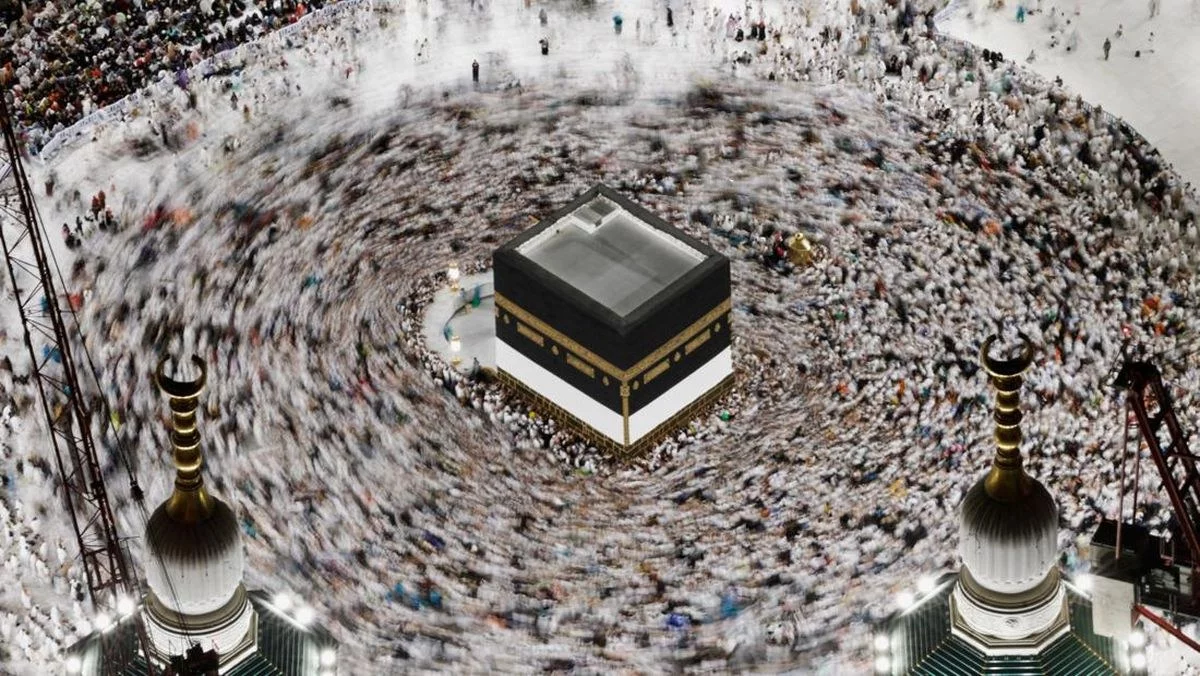
According to a recent report released by the US-based research institution Pew Research Center, Islam is projected to become the majority religion with the largest population in the world by 2035. This finding highlights a global demographic shift triggered by high fertility rates and massive natural population growth among Muslims.
According to the report cited from Al Jazeera and published by Republika (an Indonesian Islamic daily newspaper) and CNN Indonesia on Wednesday, November 19, 2026, the global Muslim population is growing much faster than any other religious group. The comprehensive study from the Pew-Templeton Global Religious Futures Project analyzed data from 201 countries and territories to map the dynamics of world population growth from 2020 to 2070.
Key Drivers of Muslim Population Growth
High birth rates are the primary driver behind the rapid growth of Muslims worldwide. Based on Pew Research Center records reported by DetikHikmah (an Indonesian Islamic portal) on Thursday, November 19, 2026, the average fertility rate of Muslim women reaches 3.1 children per woman, which is the highest globally.
This figure is well above the normal replacement level of 2.1 children per woman and surpasses other religious groups, such as Christian women, who have a fertility rate of 2.5 children per woman. Through this natural population growth, the Muslim population is estimated to increase by up to 1.6 billion people throughout the projection period.
Global Demographic Projections and Interreligious Comparison
In a report broadcast by Republika, it is stated that the population of Muslims is estimated to reach 2.57 billion by 2035, surpassing the Christian population, which is expected to stand at 2.52 billion in the same year. If this trend continues, the number of Muslims worldwide is projected to reach 3.6 billion compared to 3 billion Christians by around 2070.
Aside from birth rates, religious switching differences also influence the composition of global demographics. Muslims are projected to experience a much smaller net reduction compared to Christians. Citing reports broadcast by CNN Indonesia and DetikHikmah:
The difference between the number of people joining and leaving Islam is projected to result in a net loss of 8 million people during the projection period, whereas for Christians, the projected net loss is 105 million people.
Pew Research Center
Nevertheless, the research institution emphasized that the surge in the Muslim population is not the result of a wave of conversions from Christianity to Islam. Based on their estimates, the number of Muslims converting to Christianity is actually recorded as slightly higher than the reverse.
Geographical Distribution and Shifts in Majority Nations
The vast majority of the world's Muslim population growth is projected to occur in regions that are already home to Muslim majorities. In 2020, there were 53 countries with a majority Muslim population, and an estimated additional 1.2 billion Muslims are expected to live in these countries by 2070.
Regionally, the Muslim population in the Middle East and North Africa is projected to account for up to 95 percent by 2070. Meanwhile, in the Asia-Pacific region, the number of Muslims is expected to surpass groups not affiliated with any religion.
The map of countries with the largest Muslim populations is also predicted to shift. Pakistan's Muslim population is expected to surge by more than double, from 227 million in 2020 to 461 million in 2070, thereby surpassing Indonesia. Meanwhile, India will take second place followed by Nigeria, with Indonesia in fourth position with an estimated Muslim population reaching 273,860,000 by 2070.
Notes and Future Dynamics
The Pew Research Center reminded that these projections are not meant to predict all potential future changes with absolute certainty. A number of external factors such as socio-economic dynamics, natural disasters, and warfare still have the potential to influence demographic shifts within any given community.
As Muslims, this population increase should certainly be welcomed with gratitude as part of Allah's decree, while also serving as a reminder to continuously spread the values of Islam as a mercy to all worlds (rahmatan lil 'alamin), full of peace, and bringing goodness to all of humanity across various parts of the globe.