ICJ to Issue Landmark Ruling on Rohingya Genocide Case
The International Court of Justice prepares to issue a historic ruling in the genocide case against Myanmar regarding the Rohingya Muslim minority.
 Portal Islam



This article was first published in Indonesian. Baca versi Bahasa Indonesia →
The International Court of Justice (ICJ), the highest judicial organ of the United Nations (UN), is scheduled to deliver its verdict in a landmark case accusing Myanmar of committing genocide against the Rohingya Muslim minority. According to reports from Al Jazeera and BBC News Indonesia on Wednesday, November 19, 2026, the reading of the verdict will take place at the Peace Palace in The Hague and could mark a historic moment in the enforcement of international law.
The case began when Gambia, a West African Muslim-majority nation backed by the Organisation of Islamic Cooperation (OIC), officially filed a lawsuit at the ICJ in November 2019. The lawsuit is based on Myanmar's state responsibility for the 2017 military offensive that forced at least 730,000 Rohingya to flee to Bangladesh, as reported by Al Jazeera.
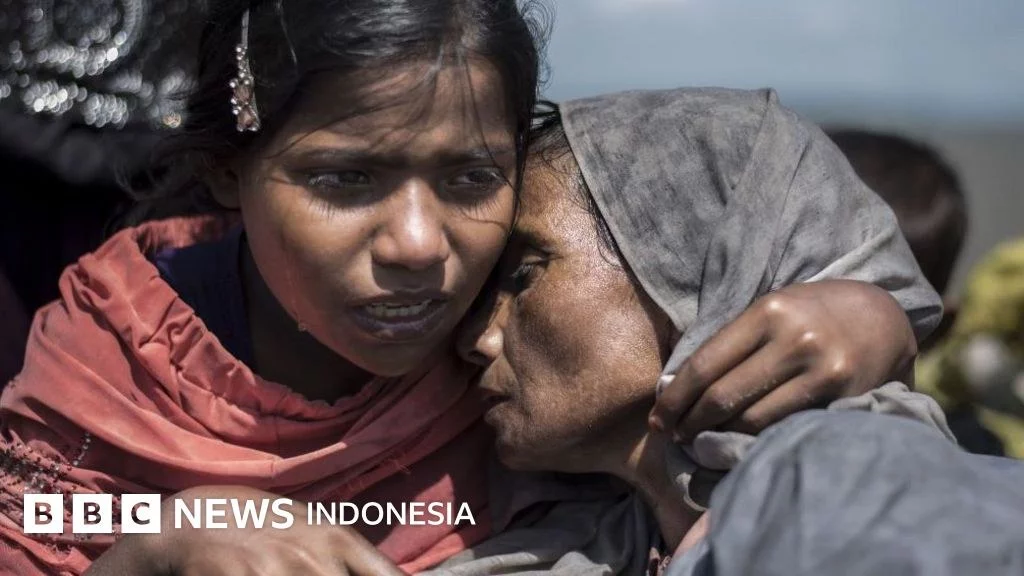
Awaiting a Historic Verdict in The Hague
According to reports by BBC News Indonesia, the delivery of the verdict by ICJ judges this Thursday marks the first time a country could potentially be found guilty of genocide since the Genocide Convention was signed in 1948. Arsalan Suleman, the lawyer leading Gambia's legal team, stated that this ruling will revive the spirit of the convention and strengthen international legal accountability.
Meanwhile, Al Jazeera noted that the ruling session is expected to last up to 90 minutes. Although the decision is final and without appeal, the court has limitations regarding enforcement. If Myanmar ignores the ruling, Gambia can request the UN Security Council to take further action.
Background and Myanmar's Defense
The 2017 military operations in Rakhine State left deep suffering among survivors who reported systematic killings, sexual violence, and village burnings. Various UN fact-finding missions previously concluded that the military campaign amounted to acts of genocide. On the other hand, the Myanmar government has strongly denied the accusations, arguing that security forces were carrying out a legitimate response against armed militant groups.
During earlier legal proceedings, the case drew global attention when Aung San Suu Kyi, who then led Myanmar's civilian government, attended in person in The Hague to lead her country's legal defense. Following the 2021 coup, control of the defense was handed over to a legal team appointed by the military junta.
Refugee Conditions and Hopes for Justice
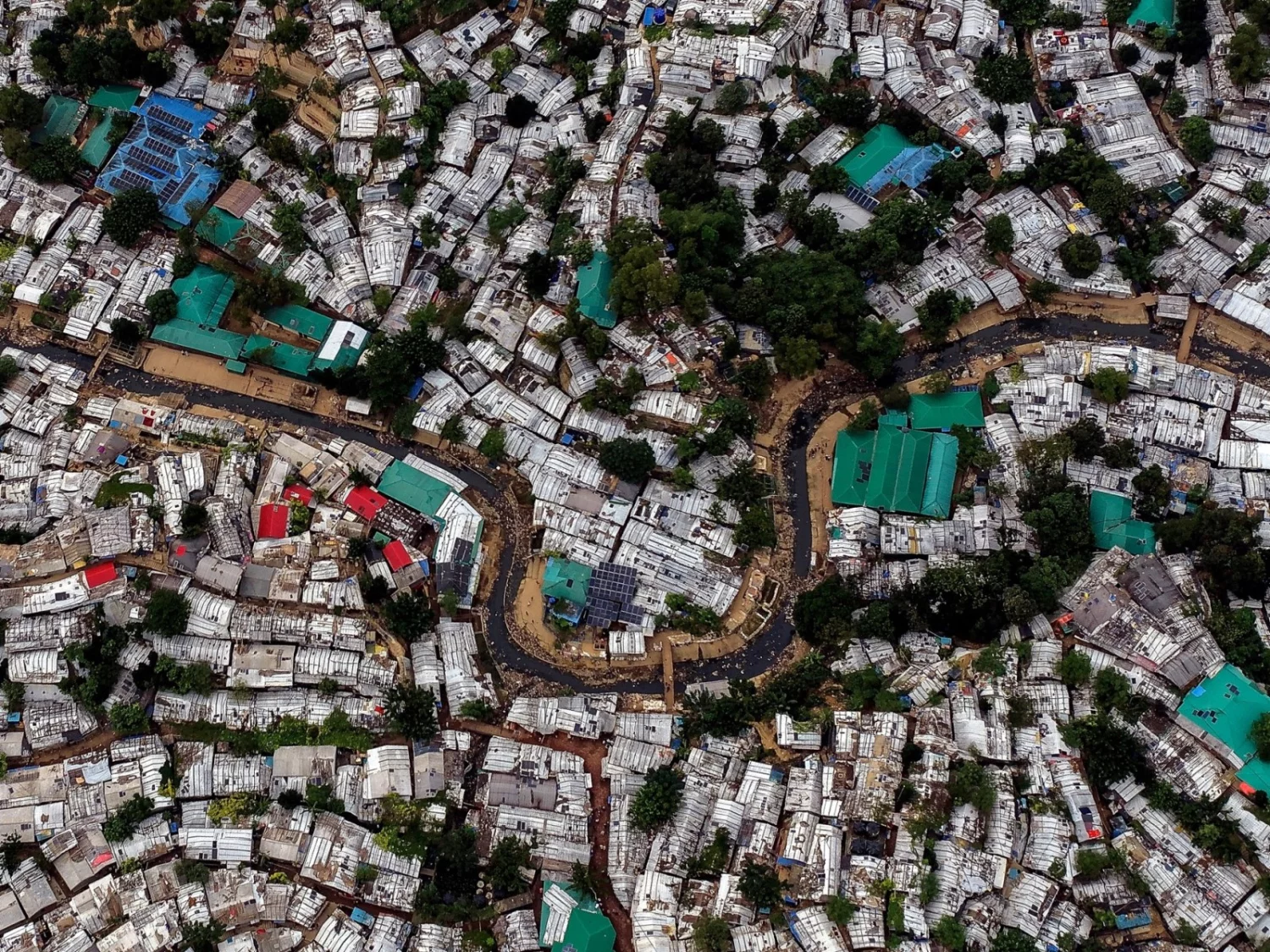
Currently, approximately 1.2 million Rohingya refugees living in Cox's Bazar settlements in Bangladesh are reportedly monitoring developments in this ruling very closely. Meanwhile, around 550,000 others remain in Myanmar facing severe restrictions on their movement, livelihoods, and healthcare services.
From an Islamic perspective, defending the oppressed and upholding justice are principles held in the highest regard. The humanitarian struggle for our Rohingya brothers and sisters is part of the moral responsibility of the ummah to continuously support the establishment of truth and the protection of human rights on earth.