Islamic Marriage: Meaning, Rules, and Family Life
Explore the profound meaning of marriage in Islamic law, covering essential requirements, preparations, responsibilities, and spiritual foundations.
 Portal Islam



This article was first published in Indonesian. Baca versi Bahasa Indonesia →
Marriage in Islamic law holds profound significance, standing as one of the most vital aspects of the religion. In Islam, marriage is considered a sacred covenant between a man and a woman, aimed at building a harmonious family and seeking Allah’s blessings. In this article, we will delve deeper into the meaning and process of marriage within the Islamic faith.
1. Discovering the Meaning of Marriage in the Qur'an
The Qur'an, the holy book of Muslims, provides guidance on marriage and family life. Within its pages are verses discussing the importance of marriage and the sanctity of the marital bond. One of the foundational verses for Islamic marriage is Surah Ar-Rum, verse 21, which states that Allah created spouses from among yourselves so that you may find tranquility and affection in one another.
2. Pillars and Requirements of Marriage in Islam
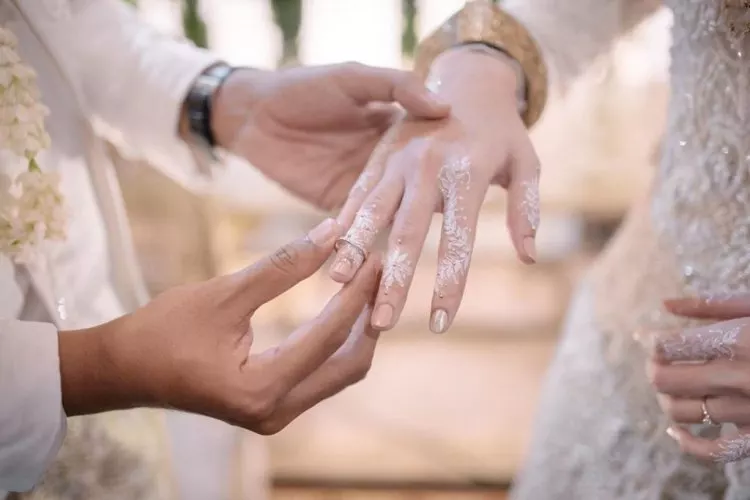
Before solemnizing a marriage, certain pillars (arkan) and conditions (syurut) must be fulfilled to ensure the union is legally and religiously valid under Islamic law. The essential pillars include the consent and contract ceremony (ijab and qabul)—the declaration of marriage by the bride's guardian (wali) and its acceptance by the groom. Additionally, there are conditions such as the mutual agreement of both parties, the dower (mahar) which is the absolute right of the bride, and valid witnesses.
3. Customs and Traditions in Islamic Weddings
Every culture and region possesses different customs and traditions when conducting an Islamic wedding. However, several common processions typically take place, such as the solemnization ceremony (akad nikah), which is the most crucial moment of the wedding. Furthermore, there is usually a wedding reception attended by family and friends to celebrate the happiness of the newlywed couple.
4. The Importance of Wedding Preparation
Before entering the bond of marriage, preparation is essential for prospective brides and grooms. Preparation involves not only physical readiness but also mental and spiritual preparedness. Prospective spouses need to understand the responsibilities and obligations within marriage, recognizing that marriage is not merely a romantic tie, but a mutual pledge to support and love one another through times of ease and hardship.
5. The Role of Family and Community in Marriage
Marriage in Islam is not merely an affair between two individuals; it also involves the supporting roles of family and society. Families play a vital role in organizing the wedding and guiding the prospective couple so they are ready to face household life. Moreover, the community contributes by offering prayers and support for the continuity and success of the marriage.
6. Responsibilities of Husband and Wife in Marriage
Within a marriage, both husband and wife hold respective responsibilities in fostering a harmonious household. The husband has the obligation to provide financial maintenance (nafaqah) and emotional support to his wife, as well as to protect and guard the family. Meanwhile, the wife has the duty to support her husband in all righteous matters and maintain the harmony of the home.
7. The Importance of Communication in Marriage
One of the keys to a successful marriage is effective communication between husband and wife. By communicating openly and honestly, problems and differences can be resolved amicably. Communication also helps strengthen the emotional bond between the couple and increases closeness within the marriage.
8. Strengthening the Spiritual Relationship in Marriage
Beyond good communication, strengthening the spiritual connection within marriage is equally important. Exploring religious teachings and performing acts of worship together can fortify the inner bond between husband and wife. Keeping Allah at the center of marital life brings barakah (divine blessings) and prosperity to the household.
9. Sustaining Love and Compassion
Marriage is not the end of a romantic journey, but rather the beginning of a long path. Sustaining love and affection between husband and wife is a shared responsibility. Through mutual appreciation, kindness, and respect, love within a marriage will continue to grow and strengthen as time passes.
10. Conclusion
Marriage in Islamic law is a sacred union carrying profound meaning. The marriage process involves various pillars and conditions that must be met to ensure legal validity in Islam. Customs and traditions surrounding Islamic weddings add unique color to this joyful occasion. Preparation, the roles of family and community, and good communication serve as the keys to maintaining a successful marriage. By living out a marriage grounded in love and compassion, husbands and wives can build a harmonious family and attain the blessings of Allah.