Javan Rhino Relocation Plan Highlights Islamic Eco-Stewardship
Proposal to relocate endangered Javan rhinos from Ujung Kulon sparks debates on disaster protection, Baduy tradition, and humanity's stewardship role in Islam.
 Portal Islam



This article was first published in Indonesian. Baca versi Bahasa Indonesia →
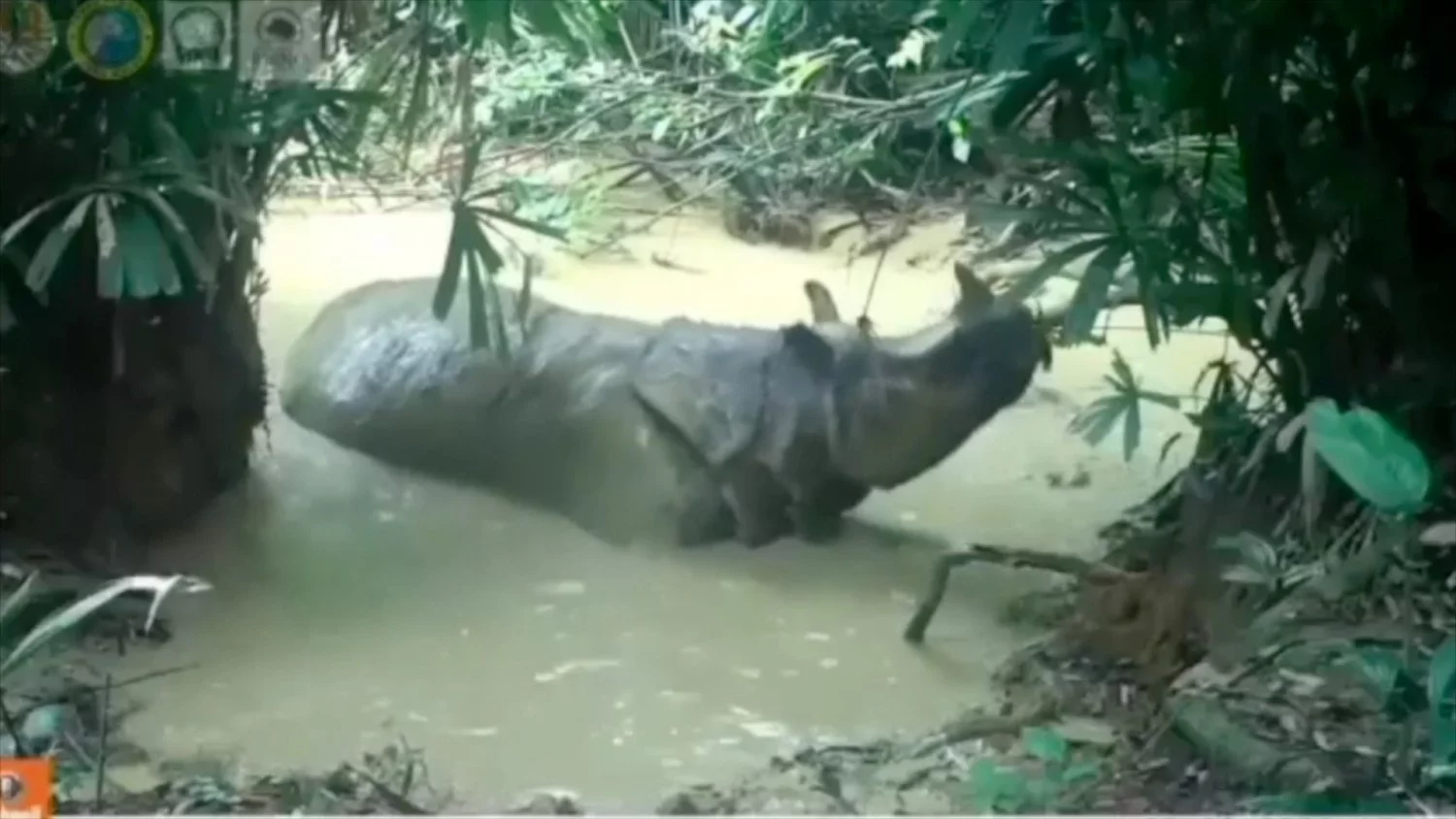
The government's plan to relocate part of the critically endangered Javan rhinoceros population from Ujung Kulon National Park (TNUK) in Banten province to Alas Purwo National Park in East Java has sparked public debate. Discussions regarding the rescue of this rare species gained momentum on Monday (16/11/2026), balancing ecological safety concerns with local customary preservation, while reminding Muslims of humanity's vital role in environmental conservation from an Islamic perspective.
The Javan rhino is currently listed as Critically Endangered, surviving in only a single natural habitat in Indonesia. This singular presence makes conservation efforts extraordinarily urgent. Amid the relocation discourse, a religious perspective has emerged, emphasizing that human beings bear a moral responsibility as stewards of the Earth to prevent the extinction of Allah's creations.
Animal Relocation Plan and Explanation by the President's Special Envoy
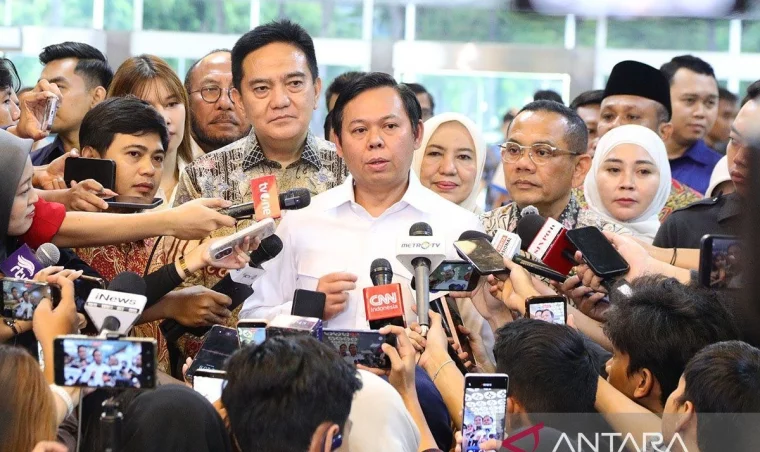
According to a report by news outlet Republika published on Monday (16/11/2026), the government plans to relocate several Javan rhinos from Ujung Kulon National Park in Banten to Alas Purwo National Park in East Java. This wildlife protection initiative is intended to mitigate the threat of natural disasters that could endanger the species' long-term survival.
Hashim Djojohadikusumo, Special Envoy to the President for Climate and Energy, explained that the planned transfer aims to safeguard the endangered species from potential tsunami hazards triggered by eruptions of Mount Anak Krakatau in the Sunda Strait.
Banten Administration's Rejection and the Baduy Customary Mandate
On the other hand, as reported by Indonesian national news agency ANTARA, Banten Vice Governor Ahmad Dimyati Natakusumah expressed his opposition on Monday (16/11/2026) to the proposed translocation of the Javan rhino from Ujung Kulon to Alas Purwo National Park. The rejection is grounded in the provincial government's vision as well as local ancestral customary mandates.
Dimyati revealed that the refusal stems not only from the provincial government's desire to establish Ujung Kulon National Park as a world-class wildlife sanctuary, but also from adherence to the ancestral customary mandate of the indigenous Baduy people. The Baduy community strictly upholds a mandate to preserve nature, including protecting the rich biodiversity within the Ujung Kulon National Park region.
Sharia Perspective: The Trust of Stewardship and Environmental Conservation
According to Republika's report, discussions surrounding the protection of the Javan rhino and environmental conservation align with the teachings of the Qur'an in Surah Al-Baqarah, verse 30. This verse highlights humanity's designated status as stewards (khalifah) on Earth.
وَاِذْ قَالَ رَبُّكَ لِلْمَلٰۤىِٕكَةِ اِنِّيْ جَاعِلٌ فِى الْاَرْضِ خَلِيْفَةً ۗ قَالُوْٓا اَتَجْعَلُ فِيْهَا مَنْ يُّفْسِدُ فِيْهَا وَيَسْفِكُ الدِّمَاۤءَۚ وَنَحْنُ نُسَبِّحُ بِحَمْدِكَ وَنُقَدِّسُ لَكَ ۗ قَالَ اِنِّيْٓ اَعْلَمُ مَا لَا تَعْلَمُوْنَ ﴿٣٠﴾
And [mention, O Muhammad], when your Lord said to the angels, "Indeed, I will make upon the earth a successive authority." They said, "Will You place upon it one who causes corruption therein and sheds blood, while we declare Your praise and sanctify You?" Allah said, "Indeed, I know that which you do not know."
Qur'an, Surah Al-Baqara [2]: 30 (Sahih International)
Exegesis (tafsir) provided by Kemenag (Indonesia's Ministry of Religious Affairs) regarding this verse emphasizes that the term khalifah signifies mankind's responsibility to manage and cultivate the Earth in accordance with Allah's commands. Vicegerency encompasses carrying out Allah's orders, building up the Earth, and utilizing its resources in a balanced and just manner—not exploiting nature without limits to the point of causing environmental damage and threatening living species.
Kemenag's exegesis explains that when Allah announced His plan to appoint the Prophet Adam as His vicegerent, the angels asked why Adam and his descendants were being appointed, given their potential to cause corruption and shed blood. The angels considered themselves more worthy because they continuously praised and sanctified Allah. However, Allah corrected their assumption, affirming that He possesses knowledge and supreme wisdom that the angels do not possess.
In the context of protecting endangered wildlife such as the Javan rhino, Surah Al-Baqarah verse 30 reinforces the ethical boundary that humans must not cause destruction (fasad) leading to the extinction of Allah's creatures. Protecting the Javan rhino is understood as part of a steward's duty: preserving life, preventing extinction caused by illegal hunting and habitat destruction, and maintaining ecological balance. Because humanity was entrusted to flourish on Earth, actions leading to species extinction run counter to the spirit of this divine trust.
Principles of Leadership and Earth Governance
In addition to Surah Al-Baqarah verse 30, principles regarding leadership appointments and Earth management are reinforced by Allah's words in Surah Sad, verse 26:
يٰدَاوٗدُ اِنَّا جَعَلْنٰكَ خَلِيْفَةً فِى الْاَرْضِ فَاحْكُمْ بَيْنَ النَّاسِ بِالْحَقِّ وَلَا تَتَّبِعِ الْهَوٰى فَيُضِلَّكَ عَنْ سَبِيْلِ اللّٰهِ ۗاِنَّ الَّذِيْنَ يَضِلُّوْنَ عَنْ سَبِيْلِ اللّٰهِ لَهُمْ عَذَابٌ شَدِيْدٌ ۢبِمَا نَسُوْا يَوْمَ الْحِسَابِ ࣖ ﴿٢٦﴾
[We said], "O David, indeed We have made you a successor upon the earth, so judge between the people in truth and do not follow [your own] desire, as it will lead you astray from the way of Allah." Indeed, those who go astray from the way of Allah will have a severe punishment for having forgotten the Day of Account.
Qur'an, Surah Saad [38]: 26 (Sahih International)
As explained in Kemenag's tafsir reported by Republika, the Prophet David was both a prophet and a ruler over his people. This verse serves as scriptural evidence regarding the obligation of Muslims to select and appoint a leader as a unifying figure who can lead the community in upholding Allah's laws on Earth.
Scholars (ulama) outline several essential qualifications required for a supreme leader, including:
- Justice and sufficient knowledge enabling them to act as a judge and qualified legal scholar (mujtahid).
- Freedom from severe physical impairments that hinder leadership duties.
- Adequate practical experience.
- Impartiality when executing Allah's laws.
Public policy decisions—whether regarding conservation zones in Banten or considerations in other regions like East Java, such as regional economic governance or reviewing the Latest East Java Minimum Wage List—demand wisdom from leadership. Policy makers are expected at all times to focus on Fulfilling the Trust of Leadership and Responsibility Before Allah for the collective good and the preservation of His creation.