Life Trials in Islam: Is Hardship a Sign of Allah's Love?
Understand the difference between trials as a sign of Allah's love and istidraj as misleading abundance. Learn to navigate life's tests in Islam.
 Portal Islam




This article was first published in Indonesian. Baca versi Bahasa Indonesia →
In this journey of life, every human being will undoubtedly face two things: trials and blessings. However, not every trial is a calamity, and not every blessing is a grace. In Islam, we are taught to understand the difference between a trial, which is a sign of Allah's affection, and istidraj, which can actually be a form of His hidden wrath.
What is Istidraj?
Istidraj is a state where Allah continues to bestow blessings upon someone even though they live in sin, disbelief, and far from His path. This is not a form of affection, but rather a postponement of punishment so that the person becomes increasingly negligent, until heavy punishment finally befalls them.
Allah says:
فَلَمَّا نَسُوْا مَا ذُكِّرُوْا بِهٖ فَتَحْنَا عَلَيْهِمْ اَبْوَابَ كُلِّ شَيْءٍۗ حَتّٰٓى اِذَا فَرِحُوْا بِمَآ اُوْتُوْٓا اَخَذْنٰهُمْ بَغْتَةً فَاِذَا هُمْ مُّبْلِسُوْنَ ٤٤
"Then, when they forgot that with which they had been reminded, We opened to them the gates of every [good] thing until, as they rejoiced in that which they were given, We seized them suddenly, and they were [then] plunged into despair."
(QS. Al-An'am: 44)
From 'Uqbah bin 'Amir (may Allah be pleased with him), the Prophet Muhammad ﷺ said,
ِإِذَا رَأَيْتَ اللهَ تَعَالَى يُعْطِي الْعَبْدَ مِنَ الدُّنْيَا مَا يُحِبُّ وَهُوَ مُقِيمٌ عَلَى مَعَاصِيْهِ فَإِنَّمَا ذَلِكَ مِنهُ اسْتِدْرَاجٌ
“When you see Allah the Almighty giving a servant worldly things that he desires, while he persists in his disobedience to Him, then (know) that it is istidraj (a trap in the form of expedited blessings) from Allah.” Narrated by Ahmad, 4:145. Shaykh Shu'ayb al-Arna'ut stated that this hadith is hasan (sound) considering its other chains of narration.
This is a stern warning for us not to be deceived by worldly ease. It could be that abundant wealth, high status, and popularity—which we consider to be blessings—are actually forms of istidraj that distance us from Allah.
Trials: The Path Back to Allah
In contrast to a trial, which is actually a form of Allah's affection for His servants. Trials can come in the form of hardship, loss, illness, or failure. But behind all of that lies a noble purpose: to remind, cleanse sins, strengthen faith, and elevate status.
Allah says:
وَلَنَبْلُوَنَّكُمْ بِشَيْءٍ مِّنَ الْخَوْفِ وَالْجُوْعِ وَنَقْصٍ مِّنَ الْاَمْوَالِ وَالْاَنْفُسِ وَالثَّمَرٰتِۗ وَبَشِّرِ الصّٰبِرِيْنَ ١٥٥
“And We will surely test you with something of fear and hunger and a loss of wealth and lives and fruits, but give good tidings to the patient.”
(QS. Al-Baqarah: 155)
Trials are a reminder that this world is temporary. When life is constrained, prayers are uttered more frequently, tears are more sincere, and hearts are closer to Allah. Therefore, be grateful when tested, because that is a sign that Allah is still paying attention to us.
The Heaviest Trials: The Prophets
The Prophet ﷺ said:
الأَنْبِيَاءُ ثُمَّ الأَمْثَلُ فَالأَمْثَلُ فَيُبْتَلَى الرَّجُلُ عَلَى حَسَبِ دِينِهِ فَإِنْ كَانَ دِينُهُ صُلْبًا اشْتَدَّ بَلاَؤُهُ وَإِنْ كَانَ فِى دِينِهِ رِقَّةٌ ابْتُلِىَ عَلَى حَسَبِ دِينِهِ فَمَا يَبْرَحُ الْبَلاَءُ بِالْعَبْدِ حَتَّى يَتْرُكَهُ يَمْشِى عَلَى الأَرْضِ مَا عَلَيْهِ خَطِيئَةٌ »
“The Prophets, then those closest to them, then those closest to them. A person is tested according to the strength of his religion. If his religion is firm, his trials become heavier. If his religion is weak, he is tested according to the condition of his religion. Trials will continue to afflict a servant until he walks upon the earth free of any sin.” Narrated by al-Tirmidhi no. 2398, Ibn Majah no. 4024, al-Darimi no. 2783, and Ahmad (1/185). Shaykh al-Albani in Sahih al-Targhib wa al-Tarhib no. 3402 graded this hadith as sahih (authentic).
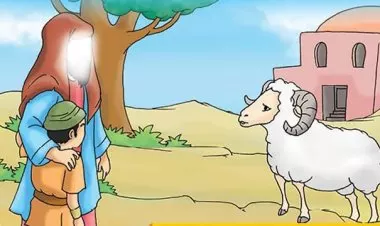
The Prophets were the best of mankind, yet their trials were also the most severe. Prophet Ayyub (Job) was tested with illness for years. Prophet Yusuf (Joseph) was tested with false accusations and imprisonment. Prophet Ibrahim (Abraham) was tested with the command to sacrifice his own son, Ismail (Ishmael). Yet all of them passed with steadfast determination.
إِنَّ هَٰذَا لَهُوَ ٱلْبَلَٰٓؤُا۟ ٱلْمُبِينُ
“Indeed, this was a clear trial.”
(QS. As-Saffat: 106)
Trials do not mean Allah does not love us; on the contrary, it is a sign that we are being shaped to become better.
Allah Loves Those Who Repent
No matter how grave the sins we have ever committed, the door to repentance is always open. Allah does not hate a sinful servant, as long as he wishes to return and improve himself.
اِنَّ اللّٰهَ يُحِبُّ التَّوَّابِيْنَ وَيُحِبُّ الْمُتَطَهِّرِيْنَ ٢٢٢
“Indeed, Allah loves those who are constantly repentant and loves those who purify themselves.”
(QS. Al-Baqarah: 222)
Even in a hadith qudsi, Allah conveys:
“O My servants! Indeed, you commit sins by night and by day, and I forgive all sins. So seek forgiveness from Me, and I will forgive you.”
(Narrated by Muslim)
We do not need to wait until we are perfect to repent. It is enough to regret the sin, abandon it, and have a firm intention not to repeat it, and by Allah's will, His forgiveness comes without limit.
Read also: Do Not Despair of Allah's Mercy: The Door of Forgiveness is Always Open
Good Deeds Erase Sins

One of the beauties of Islam is that righteous deeds are able to erase past sins.
وَاَقِمِ الصَّلٰوةَ طَرَفَيِ النَّهَارِ وَزُلَفًا مِّنَ الَّيْلِۗ اِنَّ الْحَسَنٰتِ يُذْهِبْنَ السَّيِّاٰتِۗ ذٰلِكَ ذِكْرٰى لِلذّٰكِرِيْنَ ١١٤
“And establish prayer at the two ends of the day and at the approach of the night. Indeed, good deeds do away with misdeeds. That is a reminder for those who remember.”
(QS. Hud: 114)
Ustadh Fakhrurrazi Anshar once stated:
"If someone only has 10 deeds when they die, but Allah has already forgiven their sins beforehand, then God willing, their destination is Paradise."
In fact, Allah not only erases sins, but is also able to replace evil with good:
اِلَّا مَنْ تَابَ وَاٰمَنَ وَعَمِلَ عَمَلًا صَالِحًا فَاُولٰۤىِٕكَ يُبَدِّلُ اللّٰهُ سَيِّاٰتِهِمْ حَسَنٰتٍۗ وَكَانَ اللّٰهُ غَفُوْرًا رَّحِيْمًا ٧٠
“Except for those who repent, believe and do righteous work. For them Allah will replace their evil deeds with good. And ever is Allah Forgiving and Merciful.”
(QS. Al-Furqan: 70)
How Most Loving and Merciful is Allah. We only need to take one step, and Allah will come to welcome us with infinite love.
May Our Scale Be Heavy on the Right Side
Later, all deeds will be weighed. Nothing will be forgotten. Even a speck of a good deed can save someone from Hellfire.
وَالْوَزْنُ يَوْمَىِٕذِ ࣙالْحَقُّۚ فَمَنْ ثَقُلَتْ مَوَازِيْنُهٗ فَاُولٰۤىِٕكَ هُمُ الْمُفْلِحُوْنَ ٨
“And the weighing [of deeds] that Day is the truth. And those whose scales are heavy - it is they who are the successful.”
(QS. Al-A'raf: 8)
Therefore, do not underestimate any good deed, no matter how small. A sincere smile, holding back anger, giving charity even if little, writing words of kindness on social media — all will be counted by Allah.
Conclusion
We cannot be certain whether the blessings we receive are a genuine gift or istidraj. But we can observe how they impact our hearts and deeds. Do these blessings make us increasingly obedient, or do they distance us? Do hardships make us surrender more, or do they lead to despair?
If blessings lead us to arrogance, then beware. That could be istidraj.
However, if trials make us increasingly obedient and patient, then be certain — that is mercy.
Repent today, not tomorrow. Increase good deeds, not just intentions. Never feel that you have done enough, and never stop hoping for Allah's forgiveness and love.
May we all be among those servants who are patient when tested, grateful when given blessings, and repentant when they slip. May our scales be heavy on the right side. Ameen ya Rabbal 'alamin.