Muslim Women in the Modern Era: Challenges and Success
Discover how Muslim women navigate modern challenges, pursue education, build careers, and succeed while staying true to their Islamic identity.
 Portal Islam



This article was first published in Indonesian. Baca versi Bahasa Indonesia →
In this modern era, Muslim women face a unique array of challenges alongside unprecedented opportunities. Rapid social, technological, and cultural shifts demand continuous adaptation while steadfastly holding onto Islamic teachings. This article explores how Muslim women navigate contemporary life, overcome hurdles, and achieve success without ever compromising their Islamic identity.
Social Shifts and Their Impact on Muslim Women
Fast-paced social changes affect the lives of Muslim women across the globe. Globalization and wider access to information have opened up greater educational and career avenues for women. Yet, these developments also introduce new pressures, such as conforming to lifestyle, career, and beauty standards that do not always align with Islamic values.
Such societal pressures often force Muslim women to make difficult choices between preserving their Islamic identity or blending into societal expectations. In these situations, it remains vital for Muslim women to anchor themselves in religious principles while benefiting from genuine progress.
The Role of Education in Strengthening Islamic Identity
Education serves as a cornerstone for strengthening the identity of Muslim women in the modern world. Through education, they can better understand and practice Islam while equipping themselves with the knowledge and skills needed to contribute meaningfully to society.
Islam establishes education as both a right and a duty for every Muslim, regardless of gender. Armed with adequate education, Muslim women play active roles across science, technology, economics, and the arts, all while upholding Islamic values in every step they take.
The Contribution of Muslim Women to Modern Society
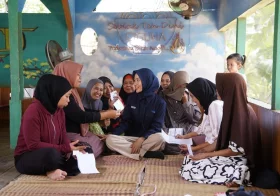
Muslim women increasingly contribute across various sectors, spanning both domestic and public spheres. They excel not only as devoted mothers and wives but also as influential leaders, entrepreneurs, scientists, and professionals. This dual role often demands careful balancing between family responsibilities and career paths.
Islam teaches balance in life, and modern Muslim women strive to apply this principle daily. They utilize effective time management and prioritization skills to fulfill duties at home and in the workplace, all while nurturing their spiritual connection with Allah.
Challenges Faced by Muslim Women in the Workplace
Within professional environments, Muslim women frequently encounter discrimination stemming from both gender and faith. For instance, some face barriers regarding dress code freedom—particularly the wearing of the hijab—or confront negative stereotypes that hinder career advancement.
Nevertheless, many Muslim women successfully surmount these challenges by demonstrating competence and excellence in their respective fields. They serve as role models for other Muslim women, proving that Islamic values and professional achievement go hand in hand.
The Importance of Community Support in Facing Challenges
Support from family, friends, and the broader Muslim community is indispensable for Muslim women striving for success today. With a robust support network, they can more readily navigate social and professional pressures while walking through daily life with confidence.
Community networks also play a crucial role by providing resources such as religious education, professional training, and emotional encouragement, helping Muslim women maintain their Islamic identity while succeeding in the modern world.
Achieving Success While Upholding Islamic Values
Ultimately, true success for Muslim women in the modern era is measured not merely by material or professional milestones, but by their capacity to uphold Islamic values across every aspect of life. Genuine success means living a meaningful life, contributing positively to society, and remaining firmly attached to Islamic guidance.
By blending education, perseverance, and community backing, Muslim women can confront modern challenges and attain success without sacrificing their Islamic identity. Such achievements inspire future generations of Muslim women to continue advancing and flourishing in a constantly changing world.
Conclusion
Muslim women in the modern era encounter numerous challenges and opportunities. Through education, community support, and steadfast determination in preserving Islamic values, they navigate these hurdles to achieve success in both this world and the hereafter. Muslim women stand as vital pillars of society, and their role in building a better world remains undeniable.