6 Simple Sunnah Practices to Enrich Your Ramadan
Discover six simple Sunnah practices beyond Qur'an recitation to make your Ramadan experience more engaging, rewarding, and spiritually fulfilling.
 Portal Islam




This article was first published in Indonesian. Baca versi Bahasa Indonesia →
Ramadan has arrived, and many young people might feel that spending the holy month solely reading the Qur'an over and over can sometimes feel repetitive. But there is no need to worry! Beyond reciting the Qur'an, there are numerous Sunnah practices of the Prophet Muhammad ﷺ that you can easily adopt to make your Ramadan engaging, meaningful, and full of blessings.
1. Engaging in Meaningful Islamic Conversations
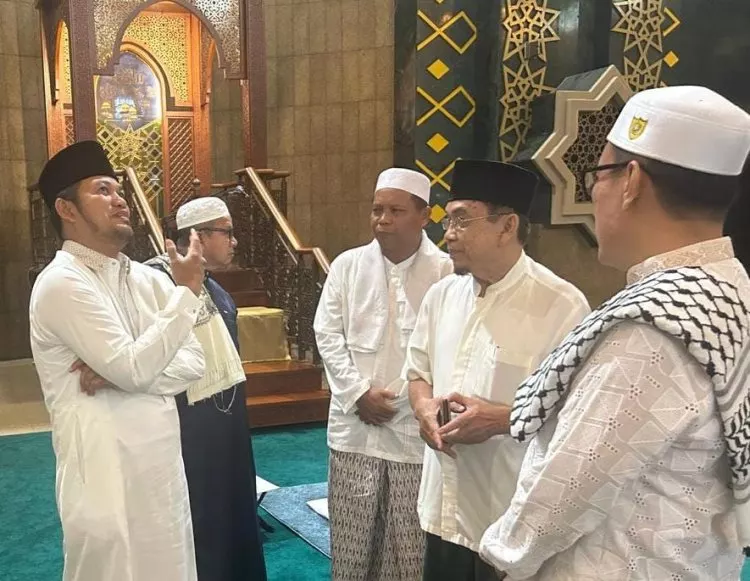
Discussing religious knowledge and spiritual matters is a praised act, especially during Ramadan. There is no need for a formal gathering or a large seminar. You can simply gather with friends after the Maghrib prayer, sit together, and talk about relatable Islamic topics—such as how to overcome distractions during Ramadan or the spiritual wisdom you gained from fasting that day. Sharing experiences in this way builds brotherhood and expands your knowledge.
2. Sharing Meals at Iftar
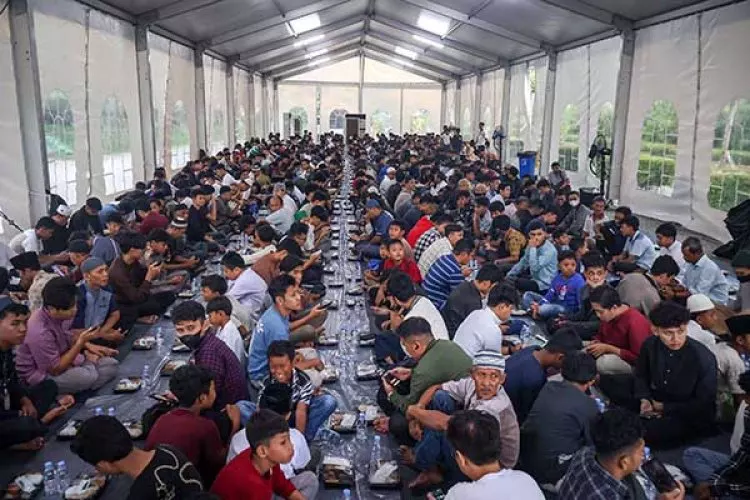
The Prophet loved sharing meals with others when breaking the fast. You can invite neighbours, classmates, or family members to eat together. The food does not need to be expensive or elaborate; the key lies in togetherness. Gathering over food increases the blessings of the meal and offers a wonderful opportunity to share with those in need.
3. Taking a Light Walk After Night Prayers

After completing the 'Isha and Tarawih prayers, the Prophet would sometimes walk through the streets of Medina. Rather than heading straight to bed or spending time on your phone, take a short stroll around your neighbourhood. Use this time to engage in dhikr (remembrance of Allah) or reflect on the day's spiritual lessons. It refreshes your mind and helps maintain spiritual mindfulness.
4. Greeting Others with a Warm Smile and Salam

Smiling is an act of charity in Islam. During Ramadan, the Prophet was known for his joyful demeanour and warm greetings. Make it a habit to smile at everyone you meet—friends, teachers, or even strangers—and greet them warmly with salam. This simple Sunnah carries immense rewards and spreads warmth throughout the community.
5. Helping Others Secretly

The Prophet frequently helped others in secret. You might help your mother prepare iftar without being asked, or give quiet charity (sadaqah) to a neighbour in need without announcing it to anyone. Sincere, quiet deeds performed during Ramadan hold great value with Allah and bring deep personal fulfillment free from worldly pride.
6. Reciting Simple Daily Supplications
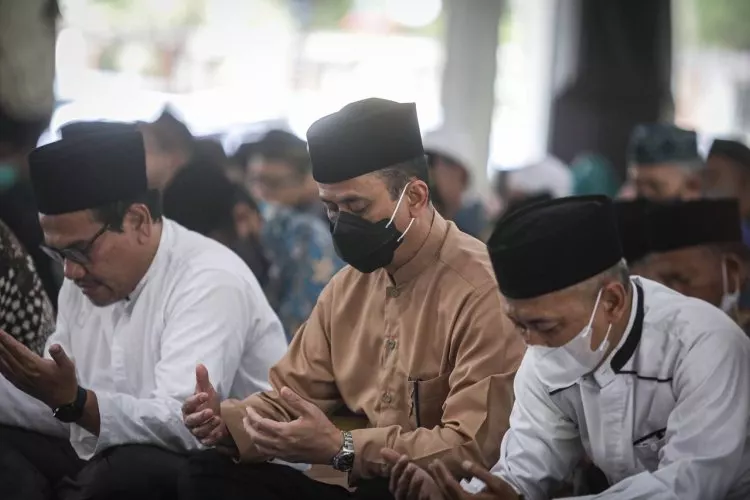
Beyond the standard fasting and Tarawih supplications, incorporating simple daily du'as into your routine is a rewarding Sunnah. These include prayers upon waking up, before eating, or while leaving home. You can keep a list of these supplications on your phone and recite them daily. You do not need to memorize them all at once—start with the easiest ones and build from there.
These simple Sunnah practices can transform your Ramadan experience, making it rich, engaging, and meaningful beyond routine worship. Ramadan is a season for personal growth and drawing closer to Allah through acts of virtue that fit your daily life. Try incorporating one of these Sunnahs today!