Sujud Syukur: How and When to Perform the Prostration of Gratitude
Discover the meaning, timing, steps, and spiritual benefits of Sujud Syukur, the Islamic prostration of gratitude, backed by authentic proofs.
 Portal Islam



This article was first published in Indonesian. Baca versi Bahasa Indonesia →
Sujud syukur (the prostration of gratitude) is an act of worship in Islam performed as an expression of a servant's thanks to Allah for blessings and favors received. This worship not only demonstrates a Muslim's humility before their Lord but also highlights how vital gratitude is in daily life. This article discusses the supplications for sujud syukur, when it is appropriate to perform it, the correct procedure, and the wisdom behind it, complete with the perspectives of scholars, hadith commentaries, and authentic proofs.
Definition of Sujud Syukur
Sujud syukur is a prostration performed by a Muslim as a tangible expression of gratitude to Allah. Being grateful is an obligation for every Muslim, as mentioned in the Qur'an:
"And (remember) when your Lord proclaimed, 'If you are grateful, I will surely increase you [in favor]; but if you deny, indeed, My punishment is severe.'"
(Surah Ibrahim: 7)
This verse emphasizes the importance of gratitude, and sujud syukur serves as one of the clear manifestations of a servant's appreciation toward Allah.
When to Perform Sujud Syukur
Sujud syukur is performed whenever a Muslim receives an extraordinary blessing or is spared from a major calamity. According to scholars, there is no fixed, binding time for sujud syukur, meaning it can be done whenever such a situation occurs. It may be performed outside of the obligatory prayers, and even without performing ablution (wudhu), though being in a state of ritual purity is more virtuous.
Imam al-Nawawi stated in Al-Majmu' that sujud syukur is performed without having to face the Qiblah, without the opening takbir, and without the tasyahhud. This demonstrates the flexibility of this act of worship, which can be carried out immediately upon receiving good news or escaping a disaster.
How to Perform Sujud Syukur
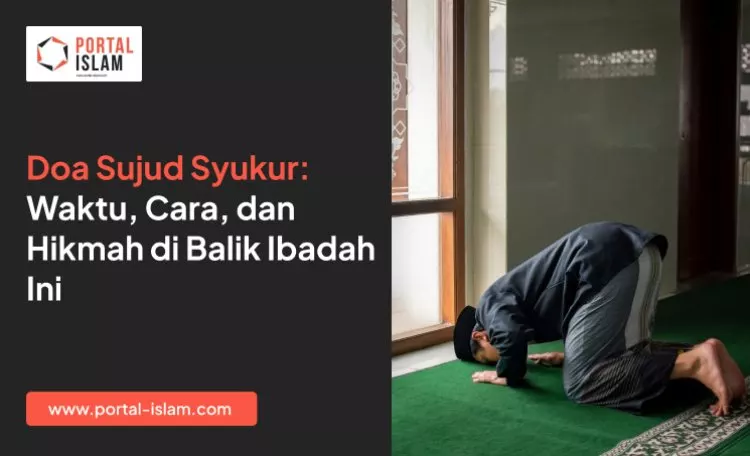
The procedure for sujud syukur is quite simple and resembles the prostration within regular prayer. Here are the steps:
Intend in your heart to perform sujud syukur for the sake of Allah in gratitude for the blessing received.
Recite the takbir ("Allahu Akbar") without needing to stand up first.
Perform a single prostration, just like the prostration in salah. The recitation during sujud syukur is similar to that of regular prayer prostrations:
سُبْحَانَ رَبِّيَ الْأَعْلَى وَبِحَمْدِهِ
Subhaana rabbiyal a'laa wabihamdih
(Glory be to my Lord, the Most High, and praise be to Him)You may also add specific supplications that reflect your gratitude to Allah.
Rise from prostration and conclude. No tasyahhud or Islamic greeting (salam) is required.
Authentic Proofs Regarding Sujud Syukur
Several authentic hadiths show that the Prophet Muhammad ﷺ and the Companions frequently performed sujud syukur. One hadith narrated by Abu Bakrah states:
"Whenever something pleasant came to the Prophet ﷺ or he received good news, he would immediately fall down in prostration, giving thanks to Allah."
Narrated by Abu Dawud and al-Tirmidhi
This hadith teaches that sujud syukur is performed spontaneously whenever a person feels grateful for a blessing received. Additionally, Imam Ahmad and Ibn Majah narrated from Abdullah bin Abi Awfa that the Prophet ﷺ prostrated upon hearing the good news of the conversion of a prominent leader who had previously been hostile to Islam.
The Wisdom Behind Sujud Syukur
Sujud syukur contains numerous wisdoms that enrich a Muslim's spirituality, including:
Acknowledging Allah's Sovereignty: Through sujud syukur, a servant realizes that all blessings come from Allah, not merely from their own efforts.
Fostering Deep Gratitude: Regularly performing sujud syukur trains a person to remain grateful, even for small things.
Drawing Closer to Allah: Prostration is the closest position a servant can be to their Lord, as mentioned in a hadith:
"The closest that a servant can be to his Lord is when he is prostrating, so increase your supplications (while prostrating)."
Narrated by MuslimPreventing Arrogance: Sujud syukur reminds a person that all achievements happen by Allah's permission, thereby shielding the heart from pride.
Conclusion
Sujud syukur is an act of worship full of meaning and benefits, both spiritually and mentally. By performing it, a Muslim not only shows appreciation to Allah but also strengthens their bond with the Creator. Through a deep understanding of its timing, method, and wisdom, we can make it a regular practice in our daily lives, ensuring that every blessing we receive becomes more meaningful and blessed.