The Virtues of the First 10 Days of Dhu al-Hijjah: A Golden Time
Discover the immense spiritual significance of the first ten days of Dhu al-Hijjah and the recommended acts of worship to maximize your rewards.
 Portal Islam



This article was first published in Indonesian. Baca versi Bahasa Indonesia →
The month of Dhu al-Hijjah is one of the most glorified months in Islam, particularly its first ten days. Allah has even sworn by this specific time in the Qur'an:
"By the dawn. And by the ten nights." (Surah Al-Fajr: 1–2)
This oath highlights the greatness and special status of the first ten days of Dhu al-Hijjah. It is a time that no Muslim should overlook, as it is an opportunity to increase one's acts of worship and draw closer to Allah.
The Prophet Muhammad ﷺ said:
"There are no days in which righteous deeds are more beloved to Allah than these ten days (the first ten days of Dhu al-Hijjah)." The Companions asked, "Not even jihad in the cause of Allah?" He replied, "Not even jihad in the cause of Allah, unless a man goes out with his wealth and himself and does not return with anything."
Narrated by al-Bukhari
Ibn Rajab al-Hanbali stated: "If something is more beloved to Allah, then it is more virtuous in His sight."
Here are the virtues of the month of Dhu al-Hijjah:
1. The Perfection of Islam
Allah says:
"This day I have perfected for you your religion and completed My favor upon you and have approved for you Islam as religion."
Surah Al-Ma'idah: 3
2. The Day of Arafah is a Special Blessing
Within Dhu al-Hijjah lies a truly magnificent day: the Day of Arafah. For those not performing Hajj, it is Sunnah to fast on this day. Fasting on the Day of Arafah can expiate sins for two years. The reward for fasting on this day (the 9th of Dhu al-Hijjah) is superior to fasting on the Day of Ashura (the 10th of Muharram).
3. The Significance of Sacrificial Animals
The Prophet said:
"The best of Hajj is the one involving much raising of the voice (talbiyah) and sacrificing of animals (hadyu)."
Narrated by Abu Ya'la, An-Nasa'i, Al-Hakim, and Al-Bayhaqi. Classified as hasan by Sheikh Al-Albani
The Day of Arafah, the 9th of Dhu al-Hijjah, is the peak of these first ten days. For those not performing Hajj, it is recommended to:
- Fast: As mentioned, this fast can erase the sins of two years.
- Pray:
"The best of supplication is the supplication on the Day of Arafah." Narrated by al-Tirmidhi
This is a time when prayers are highly likely to be answered.
4. A Global Gathering of the Ummah
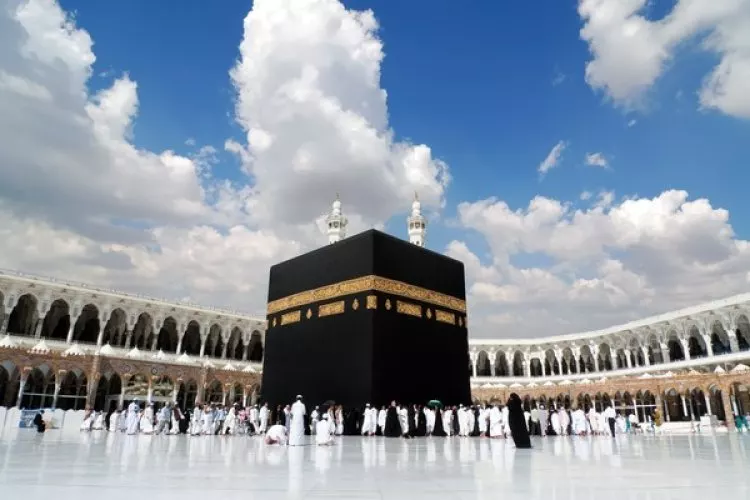
On the Day of Arafah, Muslims from all corners of the world gather in the plains of Arafah to perform the pinnacle of the Hajj rituals, known as Wukuf (the standing at Arafah). The Prophet said:
"Hajj is Arafah."
Narrated by Al-Jama'ah
5. The Distinction Between the Best Days and Nights
Some are confused about the superiority of the first ten days of Dhu al-Hijjah versus the last ten nights of Ramadan. Scholars explain:
- The first ten days of Dhu al-Hijjah are superior in their days.
- The last ten nights of Ramadan are superior in their nights, due to the presence of Laylat al-Qadr (the Night of Decree).
6. Recommended Acts of Worship
Given these immense virtues, various righteous deeds are prescribed, including:
- Sunnah Fasting, especially on the Day of Arafah (9th of Dhu al-Hijjah):
"Fasting on the day of Arafah, I hope that Allah will wipe away the sins of the year before it and the year after it." Narrated by Muslim
- Increasing Dhikr and Takbir: The Prophet encouraged increasing the recitation of tahlil, takbir, and tahmid during these days.
- Sunnah Prayers and Qiyam al-Layl: Reviving the nights with worship is a path to multiplied rewards.
- Sadaqah and Other Righteous Deeds: An opportunity to spread benefit and earn vast rewards.
- Qurbani (10th of Dhu al-Hijjah): As a form of servitude to Allah and following the Sunnah of Prophet Ibrahim (peace be upon him).
May we all be granted the strength and guidance to fill the first ten days of Dhu al-Hijjah with righteous deeds, so that they may be accepted by Allah and weigh heavily on our scales of good deeds on the Day of Judgment.
7. Reflection: Reviving the Spirit of Worship
Let us make these ten days a turning point toward a more obedient life. Some simple tips:
- Create a daily checklist of deeds for the ten days.
- Set targets for sadaqah, Qur'an recitation, and fasting.
- Invite family and friends to join in the worship.
- Avoid laziness by increasing dhikr and du'a.
8. Conclusion: Do Not Miss This Golden Time
This opportunity comes only once a year. It would be a loss to let it pass by. The Prophet and his companions greatly valued these ten days.
"A golden opportunity does not come twice. Do not wait for the next Dhu al-Hijjah to do good."
May Allah make it easy for us to fill these days with our best deeds and make us among His servants who have attained His pleasure.