Eid al-Adha: Meaning, Preparation, and Observance Guide
Discover the profound significance of Eid al-Adha, the festival of sacrifice, and learn how to observe it according to the Qur'an and authentic hadith.
 Portal Islam



This article was first published in Indonesian. Baca versi Bahasa Indonesia →
Introduction
Eid al-Adha is one of the major festivals in Islam, celebrated annually on the 10th of Dhu al-Hijjah. This day holds deep significance for Muslims, as it commemorates the story of the sacrifice of Prophet Ibrahim and his son, Ismail. In this article, we will discuss the necessary preparations, the meaning of Eid al-Adha, and the guidelines for its observance based on evidence from the Qur'an and authentic hadith.
Preparing for Eid al-Adha
1. Sincere Intention
The first step is to establish a sincere intention to worship solely for the sake of Allah. A sincere heart is essential for every act of worship, including the preparations for and the observance of Eid al-Adha.
2. Providing the Qurbani Animal
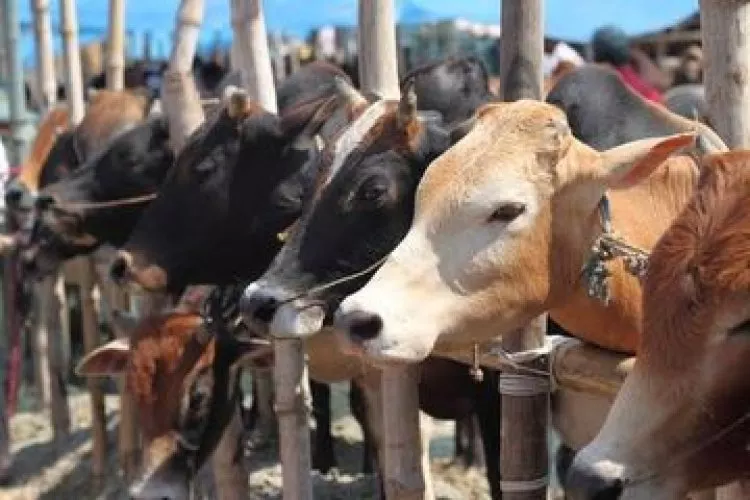
A primary act of worship on Eid al-Adha is the slaughter of a sacrificial animal (Qurbani). Common animals include goats, sheep, cows, or camels. The animal must be healthy, free from defects, and meet the requirements set by Islamic law. Allah says in the Qur'an, Surah Al-Hajj, verse 34:
"And for every nation We have appointed a rite [of sacrifice] that they may mention the name of Allah over what He has provided for them of [sacrificial] animals. For your god is one God, so to Him submit. And, [O Muhammad], give good tidings to the humble [before Allah]." Qur'an, Al-Hajj: 34
3. Personal Hygiene and Attire
On the day of Eid al-Adha, it is sunnah to perform a ritual bath (ghusl), wear one's best clothing, and apply fragrance. This is a form of honoring this blessed day.
4. Preparing the Heart and Mind
Prepare your heart and mind by increasing acts of worship, such as reciting the Qur'an, performing dhikr, and making du'a. This helps us welcome Eid al-Adha with piety and gratitude.
The Meaning of Eid al-Adha
1. Commemorating the Sacrifice of Ibrahim and Ismail
Eid al-Adha commemorates the sacrifice of Prophet Ibrahim and his son, Ismail. Allah tested the faith of Ibrahim by commanding him to sacrifice his son. However, Allah replaced Ismail with a great sacrifice as a form of His mercy and grace. This story is recorded in the Qur'an, Surah Ash-Shaffat, verses 102-107:
"And when he reached with him [the age of] exertion, he said, 'O my son, indeed I have seen in a dream that I [must] sacrifice you, so see what you think.' He said, 'O my father, do as you are commanded. You will find me, if Allah wills, of the steadfast.' And when they had both submitted and he put him down upon his forehead, We called to him, 'O Ibrahim, you have fulfilled the vision.' Indeed, We thus reward the doers of good. Indeed, this was the clear trial. And We ransomed him with a great sacrifice." Qur'an, Ash-Shaffat: 102-107
2. A Sign of Piety and Obedience
Eid al-Adha is a manifestation of the Muslim ummah's (community's) piety and obedience to Allah's command. Performing the sacrifice is an act of obedience to Allah and a sign of gratitude for the blessings He has bestowed.
3. Social Solidarity
Eid al-Adha also teaches the importance of social solidarity. The meat from the sacrifice is distributed to those in need, strengthening the bonds of brotherhood and alleviating the burdens of others.
Guidelines for Eid al-Adha Observance
1. Performing the Eid Prayer
The Eid al-Adha prayer is held in the morning on the 10th of Dhu al-Hijjah, after sunrise and before the time for Dhuha (mid-morning) prayer ends. The Prophet Muhammad ﷺ said:
"The Messenger of Allah ﷺ used to go out on the day of Eid al-Fitr and Eid al-Adha to the prayer ground." Narrated by al-Bukhari
2. Listening to the Khutbah
After the Eid prayer, it is sunnah to listen to the khutbah (sermon) delivered by the khatib. The sermon contains advice and reminders regarding the meaning and importance of Eid al-Adha.
3. Performing the Sacrifice
The sacrifice should be performed after the Eid prayer. The Prophet Muhammad ﷺ said:
"Whoever slaughters before the prayer, let him repeat it." Agreed upon (Bukhari and Muslim)
4. Distributing the Meat
The meat is traditionally divided into three parts: one for the family, one for neighbors and friends, and one for the poor. This distribution is intended to strengthen social ties and assist those in need.
5. Observing the Days of Tashriq
The Days of Tashriq are the 11th, 12th, and 13th of Dhu al-Hijjah. During these days, it is sunnah to increase the recitation of takbir, tahlil, and tahmid. Allah says in the Qur'an, Surah Al-Hajj, verse 28:
"That they may witness benefits for themselves and mention the name of Allah on known days over what He has provided for them of [sacrificial] animals." Qur'an, Al-Hajj: 28
Conclusion
Eid al-Adha is a festival full of meaning and wisdom for Muslims. Proper preparation, an understanding of its deep significance, and observance according to Islamic guidance will make Eid al-Adha a precious moment to draw closer to Allah and strengthen the bonds of brotherhood. By following the guidelines and authentic evidence from the Qur'an and hadith, we can perform our worship correctly.