
Illegal Gold Mine Collapse in Bogor: 13 Victims Identified
Indonesian police have identified 13 victims killed in an illegal gold mine collapse in Bogor, West Java, as two suspects face charges over the disaster.
 Portal Islam


This article was first published in Indonesian. Baca versi Bahasa Indonesia →
The Disaster Victim Identification (DVI) team of the West Java Regional Police (Polda Jabar) has successfully identified all 13 bodies of gold miners recovered from an illegal mining site in the Pongkor area, Bogor Regency, West Java. According to a report by CNN Indonesia, the bodies of all victims involved in the disaster at the Ciseureuh excavation site, Bantar Karet Village, Nanggung District, have been handed over to their families following the completion of the identification process.
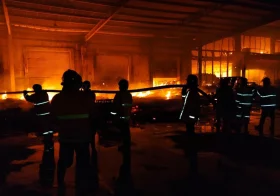
This tragic incident began when a group of miners became trapped inside vertical excavation shafts due to overflowing river water on Monday (23/11/2026). The disaster has once again brought safety risks in unlicensed mining operations into sharp focus, following earlier reports that dozens of illegal gold miners in Bogor were trapped by floodwaters inside excavation shafts when heavy rainfall struck the area.
Identification Process and Handover of Victims' Bodies
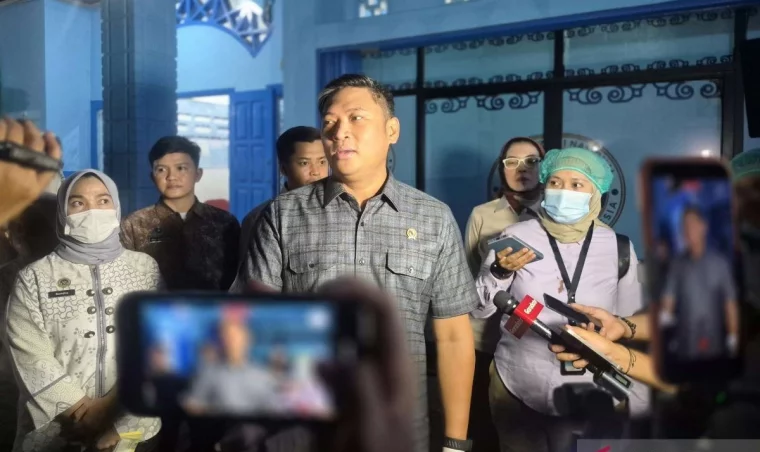
According to a report by CNN Indonesia on Friday (27/11/2026), Senior Commissioner Iwansyah, Head of Medical and Health Services at the West Java Regional Police, confirmed that medical examination and identification procedures for all victims had been fully completed by the DVI team.
"All of them have been identified and handed over to their respective families,"
Senior Commissioner Iwansyah
Earlier on Wednesday (25/11/2026), 26 families visited the command post located within the PT Antam (Indonesia's state-owned mining company) complex in Pongkor to report missing family members. Later that evening, West Java Police Chief Inspector General Hengki announced the recovery of 13 miners' bodies. Based on data released by CNN Indonesia, 12 of the identified victims listed in the report are:
- Haer, Wanakarya Hamlet, RT 04/RW 07, Karacak (Born: September 10, 2002).
- Andres, Citerep Hamlet, RT 02/RW 03, Pabangbon (Born: August 18, 2006).
- Arul Ramdani, Cengal Hamlet, RT 04/RW 05, Karacak (Born: December 27, 1999).
- Egi, Cigoong Hamlet, RT 003/RW 010, Sukarasa (Born: February 4, 2004).
- Adung, Rawasari Hamlet, RT 002/RW 004, Karyasari, Leuwiliang (Born: March 2, 1979).
- Mahdiani, Nanggelan Lebak Hamlet, RT 01/RW 08, Leuwiliang, Bogor (Born: October 6, 2006).
- Didi, Lebak Sirna Hamlet, RT 04/RW 03, Karacak, Leuwiliang, Bogor (Born: August 4, 1984).
- Rowi, Wanakarya Hamlet, Karacak, Leuwiliang, Bogor (Born: May 20, 1970).
- Tabroni, Parengpeng Hamlet, Pangkaljaya, Nanggung, Bogor (Born: October 10, 1979).
- Juhata, Pasir Bogor Hamlet, RT 02/RW 03, Pabangbon, Leuwiliang, Bogor (Born: March 14, 1969).
- Jakarsih, Taman Sari Hamlet, RT 03/RW 05, Karyasari, Leuwiliang, Bogor (Born: August 23, 1989).
- Dodi Mardina, Lenggis Hamlet, RT 01/RW 07, Warung Menteng, Cijeruk, Bogor (Born: September 7, 2000).
Suspects Named and Illegal Mining Equipment Seized
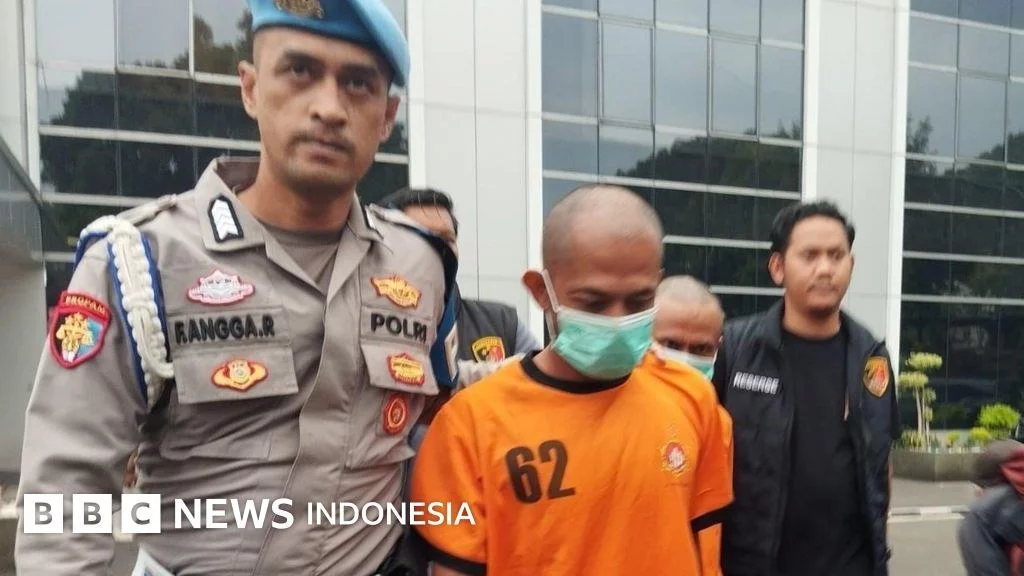
As reported by BBC News Indonesia on Friday (27/11/2026), police have named two suspects in connection with the illegal gold mining operations within the Mining Business License (IUP) area of PT Antam at Mount Butak, Nanggung District. The two suspects were identified as UL, who owned the mine shaft as well as the gold processing and refining facility located near his home, and DE, who served as the shaft commander responsible for managing work shift schedules and supervising extraction activities.
Senior Commissioner Ade Mulyana, Director of Special Criminal Investigation at the West Java Regional Police, explained that the investigation has been underway since Tuesday (24/11/2026) under police report number LPB/2742/2026. During searches, police seized physical evidence including 81 gold processing drum units (gelundung), 527 sacks of ore suspected to contain gold, one sack of iron bearings, two hammers, one crowbar, rock clamping tools, a plastic bag containing used clips, and a raw gold ingot. Ade noted that the operators dug shafts between 100 and 250 meters deep, subsequently processing the extracted material using hazardous chemicals such as mercury and cyanide.
To date, police have questioned 12 witnesses and one mining expert witness from PT Antam, along with surviving miners, village officials, and local residents. Law enforcement authorities also plan to apply the Money Laundering Act to trace the financial backers and distribution channels of the illegal gold trade.
"The possibilities and opportunities raised by our colleagues will certainly serve as material for our ongoing investigation and development of this case. There are several witnesses and suspects we are still investigating further, as we have not yet been able to obtain their statements,"
Senior Commissioner Ade Mulyana
Reporting Discrepancies and Complex SAR Operations
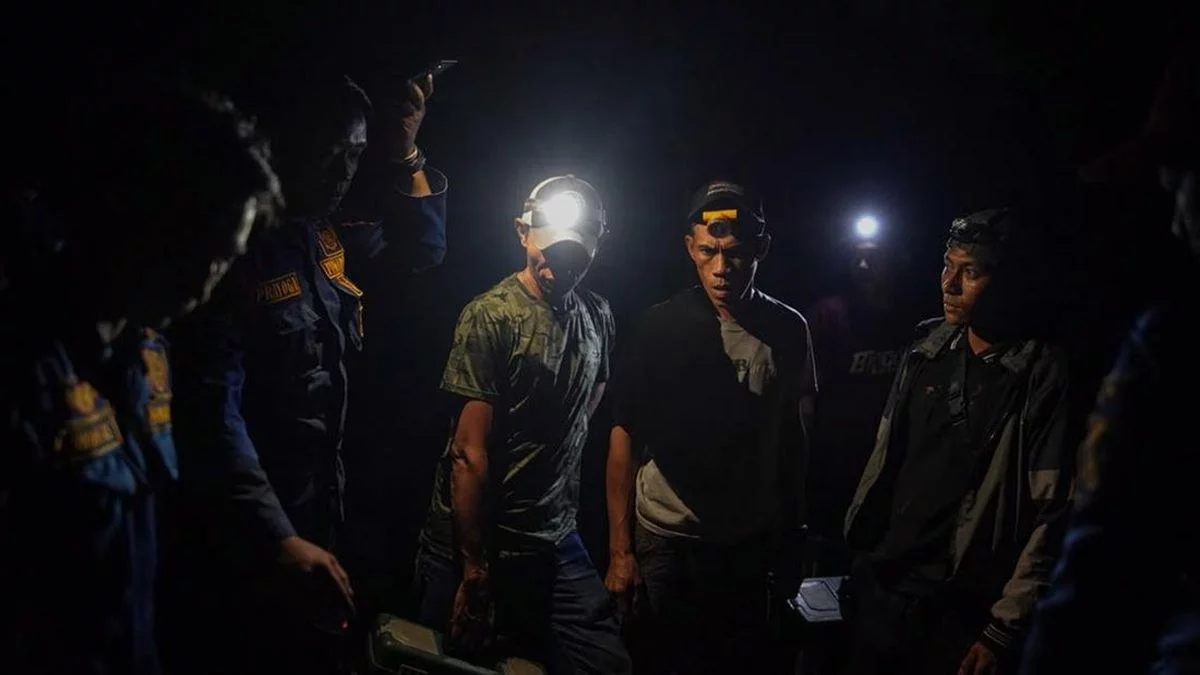
Discrepancies exist across media outlets regarding when authorities first received initial reports of the incident. According to CNN Indonesia, the Bogor Regency Disaster Management Agency (BPBD) only received news of the event on Tuesday afternoon (24/11/2026). Meanwhile, BBC News Indonesia cited Desiana Kartika Bahari, Head of the Jakarta Class A Search and Rescue (SAR) Agency, who stated that SAR teams received information about trapped residents on Tuesday evening and arrived at the location around dawn on Tuesday, after local residents had already initiated independent rescue efforts.
BBC News Indonesia noted that rescue operations entered a critical phase on Thursday afternoon (26/11/2026). Two unconnected excavation shafts located 70 meters apart were completely inundated with water and mud. Shaft A was estimated to reach depths of 100 to 150 meters, while Shaft B was approximately 100 meters deep with narrow openings spanning just 30 to 50 centimeters. The overhead supports in the shafts relied solely on weathered timber, while the interiors featured stepped structures resembling 3-meter-high stairs requiring individuals to crawl or crouch.
"Water and mud filled the excavation area, making entry extremely high-risk for rescue personnel,"
Desiana Kartika Bahari
"Shaft A was estimated to reach a depth of over 100 to 150 meters, while Shaft B reached around 100 meters,"
Desiana Kartika Bahari
Based on SAR team logs cited by BBC News Indonesia, it was suspected that 19 victims were trapped in Shaft A and 8 victims in Shaft B, though these figures were subject to ongoing verification. Body recoveries on Wednesday night were carried out by residents and volunteers using steel cables due to the treacherous terrain and submerged conditions.
"We also urge families who believe they have missing relatives to validate their data with the police authorities,"
Desiana Kartika Bahari
In facing such profound grief and heavy uncertainty, families of victims are encouraged to support and strengthen one another, as discussed in guidelines on overcoming anxiety through an Islamic approach to preserve inner peace amidst calamity.
Health Risks and Workplace Safety Standards
From the perspective of environmental health and occupational safety, exposure to toxic chemicals like mercury and cyanide—commonly used in illegal refining processes—poses severe, potentially fatal risks to human health, ranging from neurological damage to acute poisoning. Furthermore, working in confined spaces with narrow walls submerged in mud carries an extreme risk of asphyxiation (oxygen deprivation) and severe physical trauma.
The Indonesian Ministry of Health and the World Health Organization (WHO) consistently advise the public to avoid working environments exposed to hazardous chemicals without standard medical protection, and to refrain from entering high-risk enclosed spaces without proper safety equipment. Anyone experiencing health complications or trauma following a disaster is strongly urged to consult medical personnel or visit the nearest healthcare facility promptly.
In Islamic teachings, safeguarding human life (hifz an-nafs) and bodily health is a primary trust (amanah) that every Muslim must actively strive to fulfill. Islam strictly prohibits actions that place oneself in destruction or life-threatening peril. To seek protection from sudden misfortune and harm, Muslims are taught to maintain daily prayers and supplications, including dua to protect blessings and prevent sudden disaster, as an act of reliance on Allah (tawakkul) alongside practical safety measures.