Uganda Begins Africa’s First mRNA Ebola Vaccine Trial
Uganda launches Africa's first mRNA Ebola vaccine trial targeting the Bundibugyo strain in partnership with Moderna and UVRI amidst a DRC outbreak.
 Portal Islam
This article was first published in Indonesian. Baca versi Bahasa Indonesia →
KAMPALA — Uganda officially launched clinical trials for an experimental mRNA-based Ebola vaccine on Friday (Nov 27, 2026). This milestone marks the first Phase I clinical trial of an mRNA Ebola vaccine ever conducted on the African continent, as reported by CNN Indonesia and Al Jazeera on Saturday (Nov 28, 2026).
This testing is part of a global response to contain the spread of the Bundibugyo strain of Ebola, which currently lacks any officially approved specific vaccines or treatments.
Details of Moderna's mRNA Vaccine Trial in Uganda
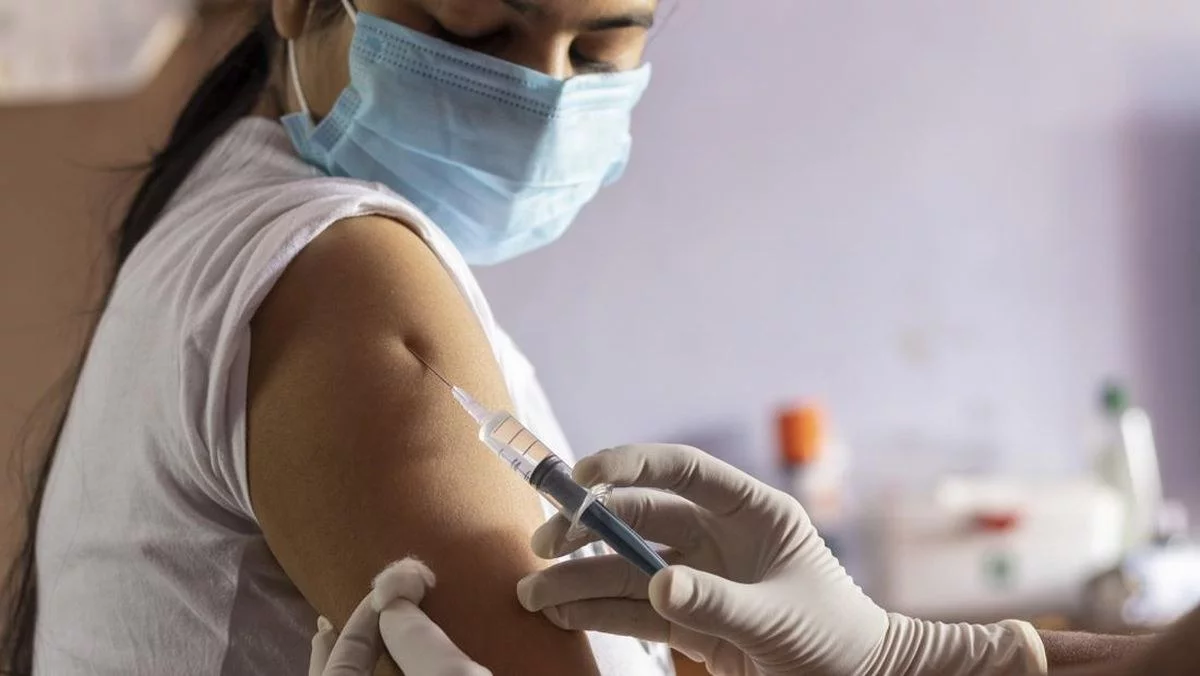
According to an official statement from the government research institution Uganda Virus Research Institute (UVRI) cited by Al Jazeera, the clinical trial is being conducted in collaboration with US-based pharmaceutical company Moderna. Previously, Moderna began its first human clinical trials for this vaccine in Canada in August, targeting healthy adults aged 18 to 65.
CNN Indonesia reported that the testing in Uganda involves 224 healthy volunteers aged 1 to 65. According to UVRI, this research marks the first time the safety and immune response of the vaccine are being evaluated in children starting from one year of age.
Richard Hatchett, Chief Executive Officer of the Coalition for Epidemic Preparedness Innovations (CEPI), commented on the importance of testing in younger age groups.
“Children are often among those hardest hit when Ebola strikes, yet they are too often the last to benefit from new vaccines.”
Richard Hatchett, CEO CEPI
The ChAdOx1 Vaccine Candidate and Gavi Alliance Measures
In addition to Moderna's mRNA vaccine, another candidate vaccine called ChAdOx1 uses an adenovirus vector base. Developed by the Serum Institute of India alongside the University of Oxford, this vaccine is scheduled to begin trials in the eastern region of the Democratic Republic of Congo (DRC) on Monday (Nov 30, 2026).
The global vaccine alliance Gavi has taken a progressive step by signing a commitment to purchase 1.5 million doses of ChAdOx1 from the Serum Institute. According to CNN Indonesia, Gavi utilized its $50 million "No Regrets" emergency First Response Fund established after the COVID-19 pandemic. This scheme allows for the procurement of vaccine candidates before all clinical trial phases are fully completed to accelerate delivery during emergencies.
Emanuele Capobianco, Gavi's Director of Global Health Security, provided statements quoted from an AFP report via CNN Indonesia.
“We are investing in it with the hope that the early results are positive. If so, we will save months in the distribution process.”
Emanuele Capobianco, Director of Global Health Security at Gavi
There are slight discrepancies regarding the estimated completion time of the trials. Al Jazeera reported that Capobianco hopes the clinical trials will conclude in early 2027. Meanwhile, CNN Indonesia noted expectations for completion in the first half of 2027, or the first quarter of next year under a more optimistic scenario. Gavi also holds a stockpile of 500,000 doses of the Ervebo vaccine (intended for the Zaire strain), which began testing last month to check its effectiveness against the Bundibugyo strain.
Outbreak Developments in the DRC and Uganda
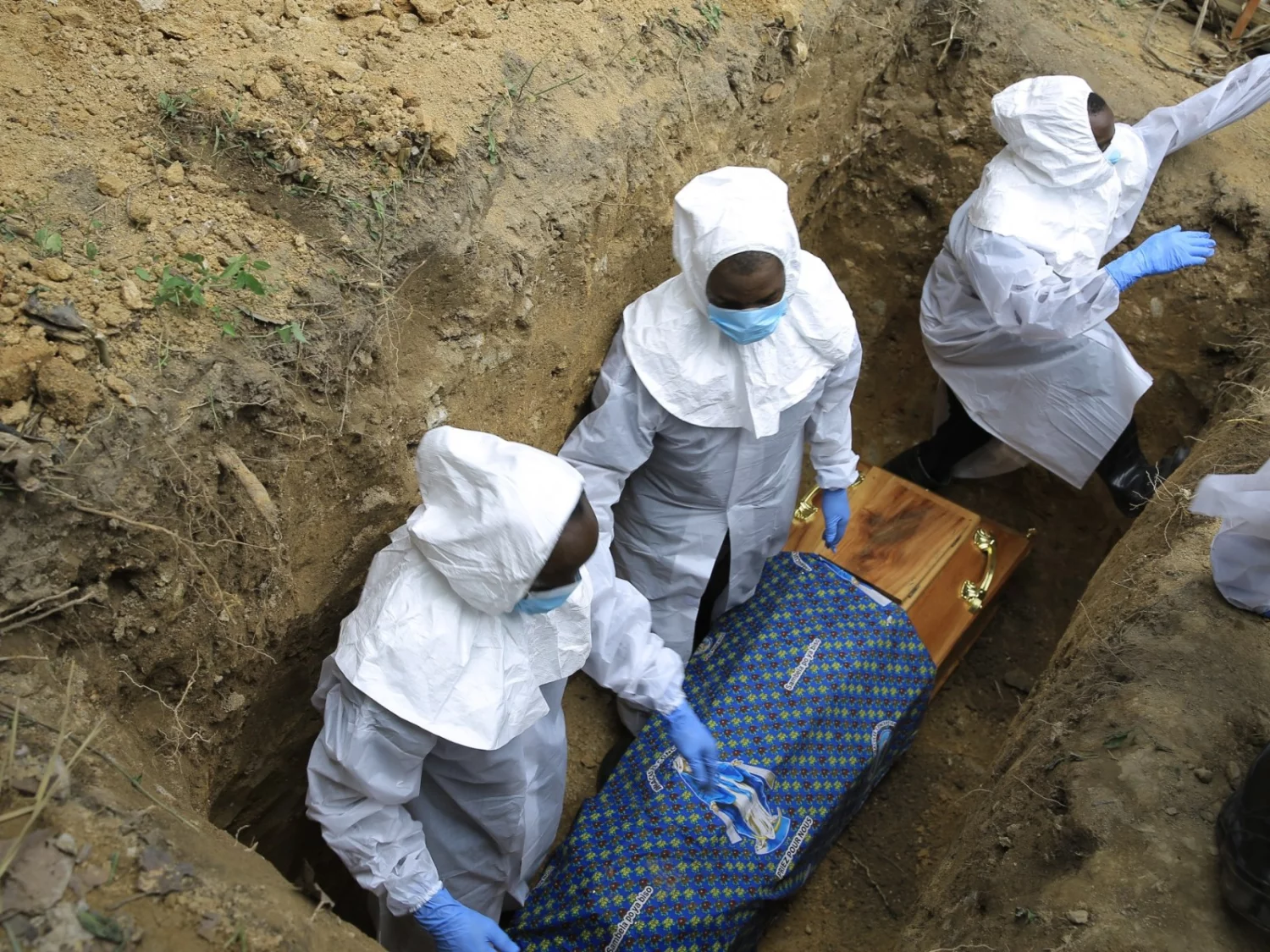
Data regarding the impact of the Ebola outbreak in the Democratic Republic of Congo (DRC) shows slight numerical variations across reporting media. According to DRC government data cited by Al Jazeera on Thursday, at least 12,021 confirmed cases with 5,904 deaths have been recorded since the outbreak emerged in mid-May.
Conversely, CNN Indonesia reported that the World Health Organization (WHO) recorded more than 5,700 confirmed deaths out of over 11,000 total cases since the announcement in May.
As for Uganda, both outlets noted that the country successfully suppressed transmission despite sharing a direct border with the DRC. Uganda reported 20 infections and 2 deaths. Al Jazeera stated that the Ugandan Ministry of Health declared the outbreak in its territory over on July 28, while CNN Indonesia noted the Ebola-free declaration was issued in August.
Medical Efforts and the Islamic Guidance on Preserving Health
The efforts of researchers, global health institutions, and pharmaceutical experts in discovering preventative vaccines represent a tangible form of striving (ikhtiar) that is deeply appreciated. In Islamic teachings, seeking medical treatment and cures for illnesses is part of the religious command to preserve life (hifzh an-nafs).
The Prophet Muhammad ﷺ emphasized that every disease sent down by Allah is accompanied by its cure:
There is no disease that Allah has created, except that He also has created its treatment.
Narrated by al-Bukhari
In addition to relying on modern medical research, Muslims are also encouraged to consistently maintain personal hygiene and adopt a healthy lifestyle, such as consuming nutritious food, utilizing natural ingredients that support the immune system, and getting adequate rest and sleep. If experiencing health issues, the public is strongly advised to consult directly with doctors or professional medical personnel at the nearest health facility.