Performing Hajj: Meaning and Importance of the Fifth Pillar
Discover the spiritual significance and core rituals of Hajj, the fifth pillar of Islam, designed to unite Muslims worldwide in devotion to Allah.
 Portal Islam



This article was first published in Indonesian. Baca versi Bahasa Indonesia →
According to the Qur'an, in Surah Al-Baqarah (2:196):
وَاَتِمُّوا الْحَجَّ وَالْعُمْرَةَ لِلّٰهِ ۗ فَاِنْ اُحْصِرْتُمْ فَمَا اسْتَيْسَرَ مِنَ الْهَدْيِۚ وَلَا تَحْلِقُوْا رُءُوْسَكُمْ حَتّٰى يَبْلُغَ الْهَدْيُ مَحِلَّهٗ ۗ فَمَنْ كَانَ مِنْكُمْ مَّرِيْضًا اَوْ بِهٖٓ اَذًى مِّنْ رَّأْسِهٖ فَفِدْيَةٌ مِّنْ صِيَامٍ اَوْ صَدَقَةٍ اَوْ نُسُكٍ ۚ فَاِذَآ اَمِنْتُمْ ۗ فَمَنْ تَمَتَّعَ بِالْعُمْرَةِ اِلَى الْحَجِّ فَمَا اسْتَيْسَرَ مِنَ الْهَدْيِۚ فَمَنْ لَّمْ يَجِدْ فَصِيَامُ ثَلٰثَةِ اَيَّامٍ فِى الْحَجِّ وَسَبْعَةٍ اِذَا رَجَعْتُمْ ۗ تِلْكَ عَشَرَةٌ كَامِلَةٌ ۗذٰلِكَ لِمَنْ لَّمْ يَكُنْ اَهْلُهٗ حَاضِرِى الْمَسْجِدِ الْحَرَامِ ۗ وَاتَّقُوا اللّٰهَ وَاعْلَمُوْٓا اَنَّ اللّٰهَ شَدِيْدُ الْعِقَابِ ࣖ
Meaning: "And complete the Hajj and 'Umrah for Allah. But if you are prevented, then [offer] what can be obtained with ease of sacrificial animals. And do not shave your heads until the sacrificial animal has reached its place of slaughter. And whoever among you is ill or has an ailment of the head [making him shave], then an equivalent compensation is fasting [three days] or charity or sacrifice. And when you are secure, then whoever performs 'Umrah [during the Hajj months] followed by Hajj [consents to] what can be obtained with ease of sacrificial animals. And whoever cannot find [such an animal] - then a fast of three days during Hajj and of seven when you have returned. Those are ten complete days. This is for those whose family is not in the area of Al-Masjid al-Haram. And fear Allah and know that Allah is severe in penalty." (Qur'an Al-Baqarah 2:196)
Allah has commanded Muslims to perform Hajj if they possess the means to do so. This verse underscores the importance of Hajj as a profound act of devotion and taqwa (mindfulness of Allah). In the traditions of the Prophet Muhammad ﷺ, he also taught about the immense benefits and rewards that can be attained through Hajj, including the forgiveness of sins and spiritual elevation.
The Stages of Hajj
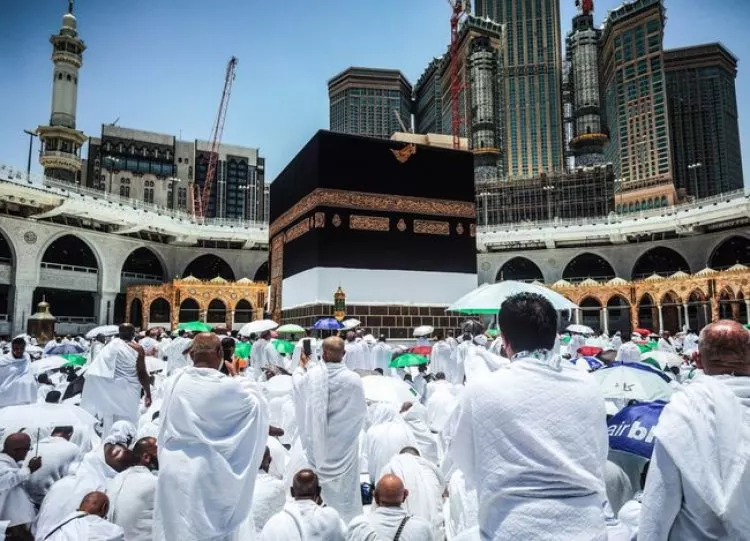
The pilgrimage involves a sequence of rites known as manasik, which encompass essential stages such as Ihram, Tawaf, Sa'i, and standing at Arafah. Ihram marks the commencement of Hajj, during which pilgrims don special attire and make the intention for the pilgrimage. Tawaf involves circumambulating the Ka'bah seven times as a sign of submission to Allah. Sa'i is the brisk walking between the hills of Safa and Marwah, commemorating the struggle of Hajar (may Allah be pleased with her) in searching for water for her infant son. Meanwhile, standing at Arafah is among the most pivotal moments of Hajj, where pilgrims gather on the Plain of Arafah to supplicate to Allah.
Essential Preparations Before Departing for Hajj
Prior to embarking on Hajj, thorough physical and mental preparation is vital. Prospective pilgrims need to maintain physical well-being, manage travel documentation, secure sufficient finances, and study the rulings and etiquette associated with the pilgrimage. Furthermore, travelers are advised to cultivate the right mental mindset, foster gratitude for the opportunity to perform Hajj, and maintain awareness of proper conduct while in the Haramayn (the Holy Sanctuaries).
Through the pilgrimage of Hajj, Muslims are granted the opportunity to strengthen their spiritual bond with Allah and experience the unity of Muslims from diverse nations. This sacred journey also instills patience, gratitude, and a deeper understanding of life's true values.