Indonesia Ministry of Religious Affairs Secures Rp2.38T Budget
Indonesia's Ministry of Religious Affairs secures a Rp2.38 trillion budget for 2026 to fund madrasah revitalization and digital learning initiatives.
 Portal Islam



This article was first published in Indonesian. Baca versi Bahasa Indonesia →
Kemenag (Indonesia's Ministry of Religious Affairs) will soon roll out a digital learning infrastructure program alongside the revitalization of thousands of madrasahs and religious schools. This follows the approval of Kemenag's 2026 Additional Budget Allocation (ABT) of approximately Rp2.38 trillion, as reported by Republika and DetikHikmah on Saturday, November 14, 2026 (UTC+7).
The largest portion of this approved additional funding—around Rp1.66 trillion—has been allocated for digital learning programs. This policy aims to enhance educational quality and fulfill teaching facility requirements across various religious educational institutions throughout Indonesia.
Allocation Details for Digital Learning and Facilities
According to reports from Republika and DetikHikmah, within the Directorate General of Islamic Education (Ditjen Pendis), the digital learning initiative focuses on providing Digital Interactive Whiteboards (PID). Under the financial assistance package for private madrasahs, each beneficiary madrasah will receive one PID unit.
Beyond madrasahs, this digital learning facility program also reaches educational institutions under the guidance of the Directorate General of Christian Community Guidance (Ditjen Bimas Kristen), the Directorate General of Catholic Community Guidance (Ditjen Bimas Katolik), the Directorate General of Hindu Community Guidance (Ditjen Bimas Hindu), and the Directorate General of Buddhist Community Guidance (Ditjen Bimas Buddha). DetikHikmah added that within Ditjen Pendis, the budget also supports four Garuda Schools of Excellence as well as the procurement of one Islamic Religious Education (PAI) teacher studio.
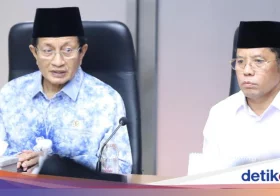
Minister of Religious Affairs Nasaruddin Umar emphasized the importance of technical readiness in the field to ensure digital devices function optimally. As quoted from Republika's report, the Minister delivered his directives on Friday, November 13, 2026 (UTC+7), in Jakarta:
The measure of success for digital learning is the extent to which the equipment we provide helps teachers teach and students understand their lessons. Therefore, we need to ensure that the Digital Interactive Whiteboards reach the target educational institutions and are ready for use, which includes confirming electrical readiness.
Allocation for Madrasah and Religious School Revitalization
Alongside digitalization, the Kemenag Madrasah Revitalization program and religious educational institutions represent the second-largest priority allocation from the additional budget. As reported by Republika and DetikHikmah, the budget approval encompasses physical repairs for thousands of religious educational institutions.
Below is the detailed breakdown of targeted educational unit revitalizations based on Kemenag data compiled by the media:
- Directorate General of Islamic Education: 2,410 madrasahs.
- Directorate General of Hindu Community Guidance: 70 educational institutions.
- Directorate General of Catholic Community Guidance: 38 educational institutions.
- Directorate General of Christian Community Guidance: 21 schools.
- Directorate General of Buddhist Community Guidance: 2 educational institutions.
Regarding these physical facility improvements, Minister Nasaruddin Umar stressed the need for strict supervision to ensure the program hits its targets. Based on Republika's report, the Minister stated:
We need to ensure that madrasahs most in need of repairs receive priority. I request that every work unit monitor implementation from the designation of recipients until the repair results can be utilized by teachers and students.
In DetikHikmah's report, the same quote features similar remarks in which the Minister urged all work units to oversee execution from targeted selection through to the completion of repairs, ensuring teachers and students can directly benefit.
Provision of Notebooks and Budget Follow-Up
According to Republika and DetikHikmah reports, this additional 2026 ABT budget also covers the provision of notebooks for students distributed through the Directorate General of Islamic Education, the Directorate General of Hindu Community Guidance, and the Directorate General of Buddhist Community Guidance.
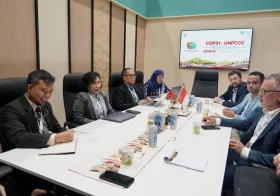
DetikHikmah reported that discussions regarding the approval of the 2026 ABT were attended by Kemenag leadership, including Minister of Religious Affairs Nasaruddin Umar, Kemenag Secretary-General Kamaruddin Amin, Kemenag Inspector General Khairunas, Director General of Islamic Education Amien Suyitno, Director General of Christian Community Guidance Jeane Marie Tulung, Director General of Hindu Community Guidance I Nengah Duija, Director General of Buddhist Community Guidance Supriyadi, Director General of Pesantren Basnang Said, and echelon II officials.
As a follow-up step, Kemenag is required to verify detailed allocations and recipient targets across every work unit while completing the supporting documents requested by the Directorate General of the Budget at the Ministry of Finance. Kemenag is also instructed to monitor program execution closely to ensure the budget is used effectively, efficiently, and in compliance with applicable regulations.
An Islamic Perspective: Upholding the Trust of Education
In Islamic teachings, educational facilities and the means of seeking knowledge serve as vital instruments for cultivating a youthful generation with good character and sound knowledge. Managing public funds for the improvement of teaching and learning facilities is part of a great trust that must be executed with full responsibility to achieve success and collective welfare.
Efforts to provide proper facilities for educators and students also align with the spirit of continuously seeking knowledge and applying it with sincere intentions. Good facility management is expected to form part of an earnest effort to instill blessings in every learning activity, in accordance with the principles of How to Obtain Barakah in Daily Life through honesty and dedication in serving the community.